

Adhesives & Sealants
Silanes for PU Laminating Adhesives and Industrial Laminates
Silanes for PU laminating adhesives provide functional interface and reactive-modification options for thin bonded layers. Amino silanes, glycidoxy silanes and amino-terminated polysiloxanes bring different chemistry to the formulation, giving you useful routes to investigate surface adhesion and binder design in industrial laminates.
LANDUSIL supplies these ingredients for laminating-adhesive formulators and roll-to-roll material producers. Start with the ordered layer structure, reactive PU system and coating process, then evaluate the selected ingredient through mixing, application, maturation and the laminate's intended use.
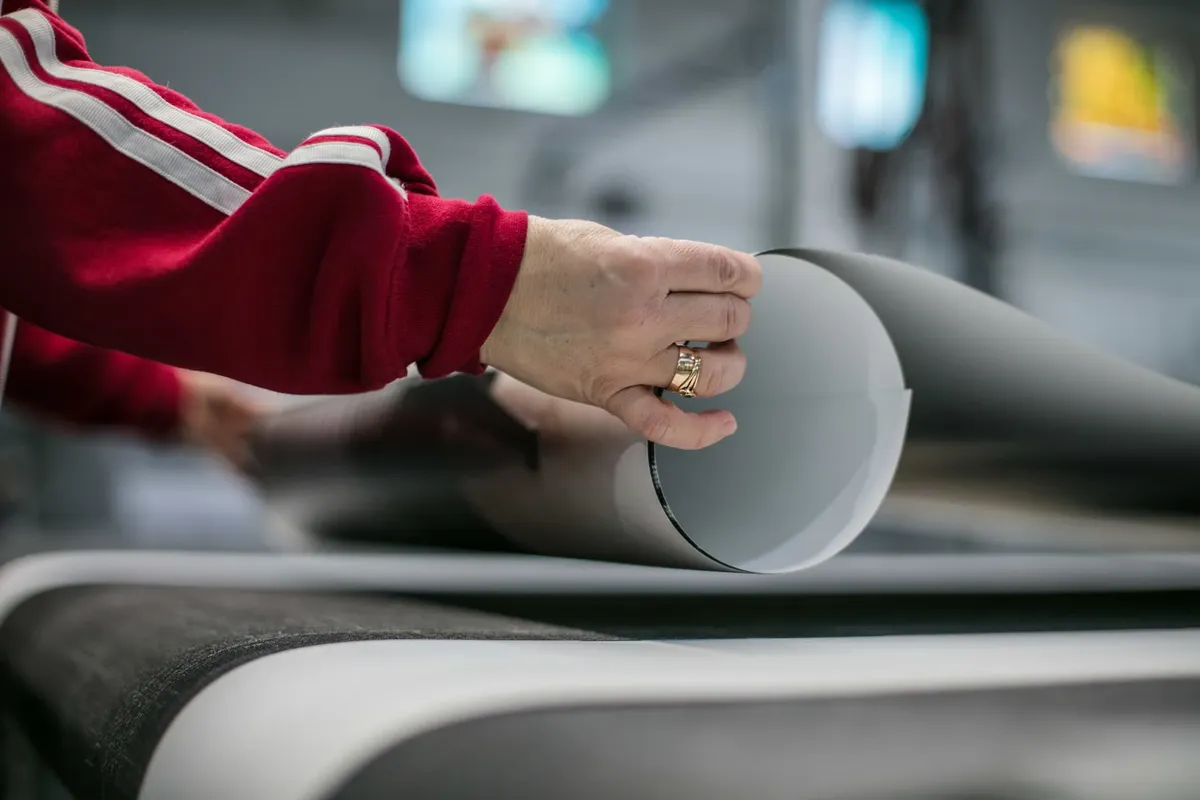
What Silanes for PU Laminating Adhesives Do
- Address selected layer interfaces: functional silanes support treatment of suitable inorganic or prepared surfaces in the laminate.
- Provide reactive organic groups: amino ingredients participate in available NCO chemistry when introduced under controlled conditions.
- Offer silicone-segment development: amino-terminated polysiloxane provides a reactive architecture for compatible binder design.
- Support treatment choices: compare primer application, a controlled prereaction and compatible component addition.
- Connect chemistry with the thin layer: ingredient selection considers coating flow, drying and later bond development together.
Typical Uses
End use: Plastic film and metal foil laminates
What matters most
Film contact side, foil treatment, adhesive placement and conditioned peel
End use: Printed-film constructions
What matters most
Ink drying, actual graphics, ink cohesion and adhesive compatibility
End use: Textile and film laminates
What matters most
Fabric finish, porosity, adhesive penetration and flexibility
End use: Industrial decorative rolls
What matters most
Surface coatings, appearance, winding, curl and later forming
End use: Solvent-based and solventless PU comparisons
What matters most
Reactive balance, equivalent dry layer and route-specific coating conditions
Recommended LANDUSIL Products
| Product | Chemistry | CAS | Why choose it |
|---|---|---|---|
| LANDUSIL LEGRA 1010-L | 3-Aminopropyltriethoxysilane | 919-30-2 | Primary-amine interface or pretreatment option for compatible PU trials |
| LANDUSIL LEGRA 1061-L | N-Butyl-3-aminopropyltrimethoxysilane | 31024-56-3 | Secondary-amine reactive-interface option with a defined NCO balance |
| LANDUSIL LEGRA 2010-L | 3-Glycidoxypropyltriethoxysilane | 2602-34-8 | Glycidoxy interface route with a suitable organic partner |
| LANDUSIL DUVERA 5030-L | Amino-Terminated Polysiloxane | 106214-84-0 | Reactive silicone-segment option for a designed laminating binder |
How to Select the Laminate Interface Route
Identify the surface receiving the adhesive
List the layers in order and mark treated, printed, coated and metallized faces. An adhesive may contact an ink or primer instead of the underlying film. Metal foil and a deposited metal layer also create different interface and cohesion requirements.
Record surface treatment and storage history. Include actual textile finishes and any residues. For metal-side primer development, see metal bonding and lamination primers; surface preparation and the silane ingredient remain coordinated process inputs.
Choose solvent-based or solventless PU processing
For a selected solvent-based two-component system, define resin/hardener balance, coating solids, viscosity and solvent removal. For a solventless two-component route, define the reactive composition and rheology for coating transfer and wetting. Both require a suitable mixing and application window followed by chemical cure.
Record viscosity with temperature and time after mixing. Establish the chemical ratio, useful mixed-material life and coating-head flow conditions as distinct inputs. Verify mass-to-volume conversion where metering equipment uses a different basis from the formulation ratio.
Match reactive groups with their partners
Amino silanes and amino-terminated polysiloxanes consume NCO and can change reaction development. Include their actual reactive contribution when setting the formulation. A glycidoxy silane supplies epoxide chemistry and requires a suitable organic partner for its intended interface role.
For a reactive silicone segment, establish incorporation and compatibility in the binder before selecting coating conditions. Siloxane-modified polyurethane and polyurea manufacture addresses this polymer-development stage. Dispensed joints have different process requirements, covered under PU industrial assembly adhesives.
Application and Evaluation Guidelines
Use a reference laminate with the same production film, ink, foil and treatment history. A wetting measurement alone does not establish bond strength or retained adhesion. Compare printed and clear areas and identify the cohesion of ink, coating or metallization when examining a failure.
Track component stability, mixed viscosity, air or gas formation and phase behavior. For a primer, control its coverage, drying and interval before adhesive coating, including residual water or alcohol. Keep corona or other required substrate treatment within the comparison.
Follow coating uniformity, dry adhesive layer, nip, web tension, winding and maturation. For solvent-based processing include drying and residual solvent; for solventless processing include time-dependent transfer and wetting. Diagnose bubbles, haze, curl or tunneling using their location and process history.
Measure initial and matured peel at defined specimen age, speed, geometry and temperature. Record adhesive, interface, ink, metal-layer and substrate failure after relevant heat or moisture exposure. Evaluate conversion, remaining reactants and relevant extractable or migrating substances for the complete construction. Intended contact use requires its own finished-laminate assessment.
Frequently Asked Questions
Which silane should I test in a PU laminating adhesive?
Choose around the actual surface and reactive PU composition. Amino silanes provide an NCO-reactive route; glycidoxy silanes provide a different functional interface direction. Compare introduction stages and coating behavior in the selected laminate.
What is the difference between solvent-based and solventless PU lamination?
A solvent-based system needs carrier removal as well as reaction. A solventless system uses its formulated reactive composition for coating and cure. Define rheology, wetting, mixing and maturation for each route.
How do I evaluate adhesion to printed film?
Use the specified ink, coverage and drying history. Compare printed and unprinted areas, then record whether peel failure occurs in adhesive, ink, a treated layer or the film. Include conditioning and subsequent converting.
When should I measure laminate peel strength?
Measure at defined ages through maturation and after relevant service conditioning. Connect those results with handling, slitting or forming requirements, chemical cure and residual-material assessment before setting release criteria.
Samples and Technical Support
LANDUSIL provides samples, TDS, SDS and selection support; please include:
- Ordered layer structure and treated or printed contact faces
- PU chemistry, reactive balance and proposed modifier stage
- Coating route, line conditions and target dry adhesive layer
- Maturation, peel development, appearance and intended-use requirements
- Estimated volume, packaging preference and destination country