

Mineral & Filler Treatment
Silanes for Rubber Silica Pretreatment
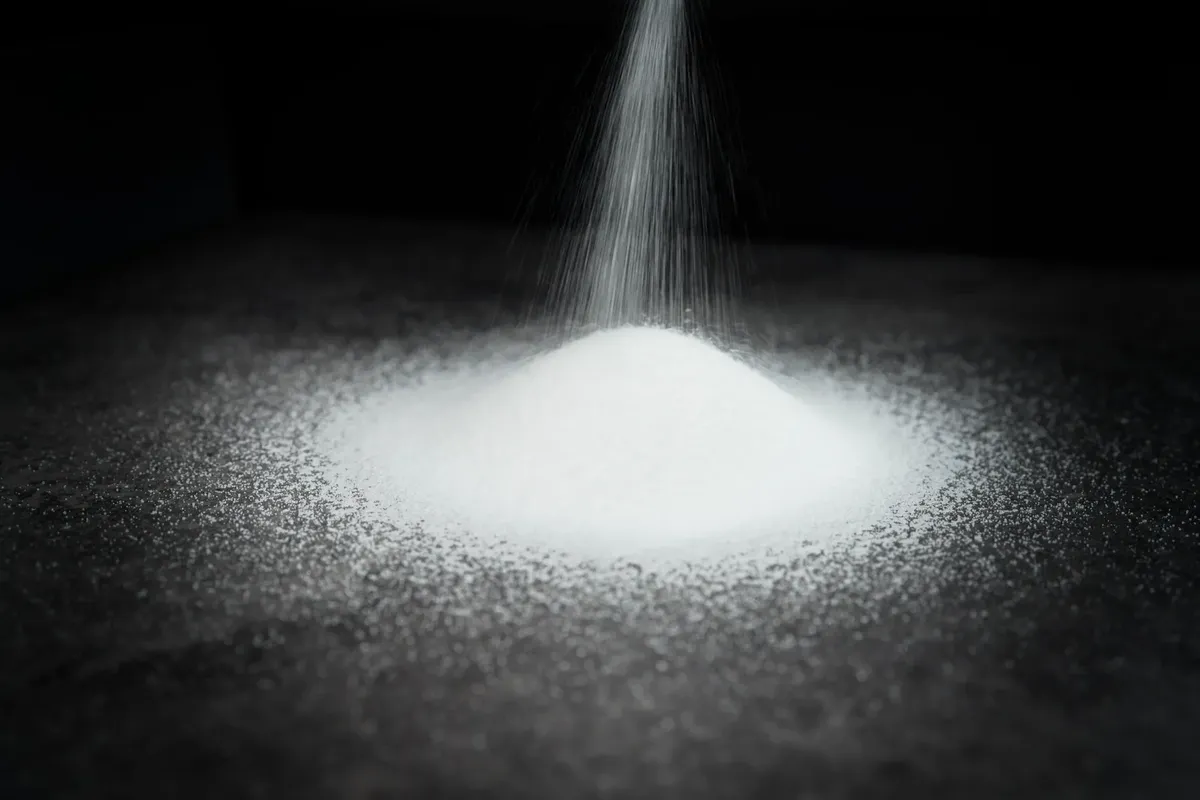
Using silanes for rubber silica pretreatment moves filler surface preparation into a defined powder-processing step. A sulfur-functional surface helps connect suitable silica with the organic side of a sulfur-cured rubber formulation, supporting a coordinated approach to filler incorporation and vulcanization.
LANDUSIL supplies polysulfide and mercapto silanes for producers of treated reinforcing powders. Choose the treatment using the silica grade, elastomer blend and complete cure package. The delivered powder should have a controlled surface state and useful functionality when it reaches the customer's mixer.
What Sulfur-Functional Treatment Does for Rubber Silica
- Builds a silica-facing interface. Hydrolyzable alkoxy groups provide a route for reaction with accessible hydroxyl-bearing silica surfaces.
- Adds sulfur functionality. The organic side addresses a defined rubber and vulcanization system.
- Places surface preparation upstream. Powder producers can manage treatment distribution and relevant residuals before delivery.
- Supports consistent incorporation. Controlled powder state helps compounders assess feeding, dispersion and mixing behavior.
- Connects powder release with cure response. Treatment selection can address both stored-powder consistency and the required cured-rubber properties.
Typical Uses
End use: Silica for tire-tread development
What matters most
Surface state, dispersion, scorch, cure and compound evaluation
End use: Disulfide-treated reinforcing powder
What matters most
Actual sulfur characteristics and the resulting cure-package balance
End use: Mercapto-functional silica for industrial rubber
What matters most
Available thiol, treatment consistency and premature-reaction control
End use: Reinforcing powder for light-colored soles
What matters most
Powder color, contamination, dispersion and finished appearance
End use: Solid silane feeding for black compounds
What matters most
Carrier identity, active delivery and the carrier's contribution to the formulation
Recommended LANDUSIL Products
| Product | Chemistry | CAS | Why choose it |
|---|---|---|---|
| LANDUSIL LEGRA 8020-L | Bis[3-(triethoxysilyl)propyl]tetrasulfide | 40372-72-3 | Nominal tetrasulfide bridge for a sulfur-functional surface developed with the downstream rubber cure |
| LANDUSIL LEGRA 8030-L | Bis[3-(triethoxysilyl)propyl]disulfide | 56706-10-6 | Nominal disulfide bridge for comparing sulfur contribution and processing response |
| LANDUSIL LEGRA 8011-L | 3-Mercaptopropyltrimethoxysilane | 4420-74-0 | Free-thiol trimethoxysilane for a dedicated mercapto-functional pretreatment and cure study |
How to Select Silanes for Rubber Silica Pretreatment
Select the sulfur structure through the cure
A tetrasulfide bridge, a disulfide bridge and a free thiol provide different organic-side chemistry. Start with the receiving rubber and sulfur/accelerator package so the surface function fits the downstream reaction.
For the polysulfide grades, obtain the supplied sulfur characteristics needed for the comparison. The nominal structural name identifies the route; the grade's actual sulfur distribution and treatment state guide the formulation work. Compare the two bridge structures with their own processing and cure assessments.
Mercapto treatment presents available thiol functionality. Use it in a dedicated study with the actual silica, elastomer and cure package. This makes the trial specific to the free-thiol structure and its response during mixing and vulcanization.
Define powder, liquid and carrier delivery
A pretreated silica supplier delivers a filler with an established treatment history. A liquid silane enters at a different point, and a carbon-black-carried preparation provides another feeding form. Specify which material your customer receives and how it enters the compound.
Include carbon black in the formulation balance when a carrier preparation is used. Choose that supply form for black compounds where its filler and color contribution fit the design. For light-colored soles, use a delivery route consistent with the appearance target.
Connect powder manufacture with rubber mixing
Record the powder process from reagent distribution through reaction, drying and packaging. Follow the surface state and the relevant functionality after storage. Treatment loading, free material and moisture give a clearer handoff than a general hydrophobic-powder description.
The downstream pages for silica-reinforced tire compounds and sulfur-cured mechanical rubber goods address the rubber-mixing and product-development stages. Use the final compound's requirements to choose useful powder release checks.
Application and Evaluation Guidelines
Compare untreated silica, the current treated filler and the new route with the silica source and loading identified. Measure retained organic loading alongside free or extractable silane, water, route-specific volatiles, agglomerates and feeding behavior. Repeat meaningful checks after representative storage and transport conditions.
In the actual rubber formulation, follow incorporation, dispersion and uncured viscosity, then scorch and cure response. Record adjustments to sulfur, accelerators, other fillers or processing aids. Evaluate cured reinforcement and conditioned properties relevant to the seal, belt, sole or other intended article.
A carrier blend does not establish that a silica surface has already reacted. Hydrophobicity does not establish usable sulfur functionality, and a nominally shorter sulfur bridge does not establish a safe mixing window. Tire rolling resistance, grip and wear require the corresponding tire construction and testing; use laboratory compound observations to guide development.
Ethoxy polysulfides release ethanol on hydrolysis; the methoxy mercapto grade releases methanol. Use current SDS information and verify route-specific residuals in the delivered powder.

Frequently Asked Questions
What is the difference between TESPT and TESPD for silica pretreatment?
They have nominal tetrasulfide and disulfide bridges. Compare their actual sulfur characteristics, treated surface state and response in the intended rubber cure, with the formulation balance clearly recorded.
How much silane should be used to pretreat rubber silica?
Use surface area, moisture, accessible sites and supplied agent composition to plan trial levels. Judge retained treatment and free residue together with dispersion, scorch, cure and cured properties.
Can a carbon-black-carried silane be used for white soles?
Choose a supply form that fits the appearance target. Carbon black contributes color and filler to the formula, so a light-colored sole program needs an appropriate alternative delivery route.
What should I test after storing pretreated silica?
Check caking, moisture, feed consistency and relevant free or volatile material. Compound the stored powder to assess changes in dispersion, scorch and cure response.

Samples and Technical Support
LANDUSIL provides samples, TDS, SDS and selection support for rubber-silica pretreatment. Please include:
- Silica grade, surface area, moisture and existing treatment
- Elastomer blend and complete sulfur/accelerator package
- Powder-treatment equipment and proposed delivery form
- Storage requirements and main processing or performance issue
- Estimated quantity, packaging preference and destination country