

Mineral & Filler Treatment
BN and AlN Surface Treatment
A successful BN and AlN surface treatment program connects the powder's real outer surface with the resin and processing medium. The useful gains start with controlled wetting, particle distribution and cure compatibility, followed by thermal evaluation in the intended composite.
LANDUSIL supplies silane ingredients for developers of prepared boron nitride and aluminum nitride interfaces. Select a route after identifying available surface sites and the powder's moisture response. This makes the chemistry choice specific to the nitride grade, existing finish and customer formulation.
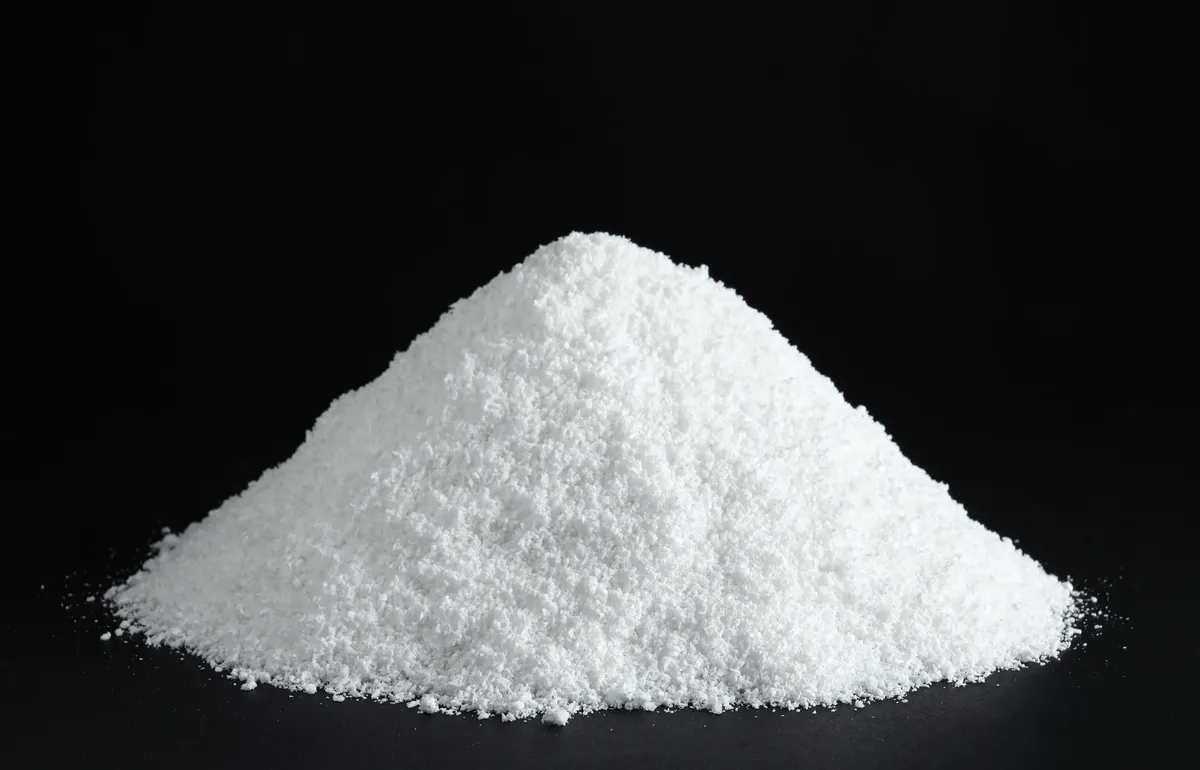
What Interface Treatment Does for Nitride Fillers
- Tailors the resin-facing surface. A prepared surface can receive organic functionality suited to the intended binder.
- Supports wetting and incorporation. A compatible treatment helps you address particle distribution in the selected medium.
- Offers reactive functionality. Amino or glycidoxy groups provide different organic-side partners in matched resin systems.
- Connects surface and morphology. Treatment design can retain BN platelets or engineered agglomerates that contribute to the thermal architecture.
- Supports controlled powder delivery. Defined surface, moisture and storage conditions give formulators a clearer starting material.
Typical Uses
End use: BN platelets in epoxy
What matters most
Available surface sites, cure and direction-dependent thermal response
End use: Nonaqueous AlN treatment
What matters most
Moisture entry, powder integrity and retained surface function
End use: Nitride blends for silicone
What matters most
Individual finishes, blend packing, rheology and cure
End use: Reactive treatment after BN preparation
What matters most
Preparation-only control, retained functionality and morphology
End use: AlN exposed to storage humidity
What matters most
Packaging history, hydrolysis indicators and retained filler behavior
Recommended LANDUSIL Products
| Product | Chemistry | CAS | Why choose it |
|---|---|---|---|
| LANDUSIL LEGRA 1010-L | 3-Aminopropyltriethoxysilane | 919-30-2 | Amino interface after suitable reactive surface sites are established, with a compatible binder partner |
| LANDUSIL LEGRA 2011-L | 3-Glycidoxypropyltrimethoxysilane | 2530-83-8 | Glycidyl interface on a defined prepared surface using a powder-compatible process and matched resin |
| LANDUSIL LEGRA 5050-L | n-Octyltriethoxysilane | 2943-75-1 | Octyl wetting modification on a defined surface for a selected organic medium |
How to Select BN and AlN Surface Treatment
Establish the BN surface and particle form
For hexagonal BN, identify the available sites on edges and basal surfaces and the preparation already performed. Include surface-analysis information and any existing coating. Select the next reaction through that prepared state.
Distinguish platelets from engineered agglomerates. Platelet orientation can create different thermal behavior along and across a composite, while a deliberately formed agglomerate contributes its own packing structure. Choose mixing and treatment around the particle form needed by the customer.
Preserve AlN through the treatment route
Obtain the powder supplier's description of any oxygen-containing or protective finish and the intended resin compatibility. Select the carrier and handling route using that specific powder. A nonaqueous process still includes moisture brought in by reagents, equipment, resin and storage.
AlN water exposure can produce aluminum-hydroxide-related material and ammonia. Include those observations when developing a powder-compatible process. A water-containing route needs demonstrated compatibility of the protected grade and the full process before adoption.
Match the prepared interface to the resin
After establishing a suitable surface, choose the organic-side function through the binder. Amino treatment addresses a compatible reactive resin; glycidoxy chemistry introduces an epoxide for a suitable partner. Alkyl treatment addresses wetting and medium interaction.
Identify the complete silicone, epoxy or other cure system. Record the actual treatment and powder-conditioning sequence before comparing the final compound. The downstream page for thermal fillers and electrical insulation composites provides the formulation context for thermal and electrical testing.
Application and Evaluation Guidelines
Use the starting powder and current treated grade as references. Where surface preparation is used, include a preparation-only control to distinguish its contribution from the following silane step. Record morphology, particle distribution, surface area, prior coating and processing history.
Follow surface oxygen or hydroxyl-containing species, organic treatment and free residue with measurements suited to the question. For AlN include water exposure, ammonia where relevant and powder changes associated with hydrolysis. For BN follow platelet dimensions, agglomerates and orientation through mixing.
Compare rheology, settling, cure and conditioned properties at a defined filler volume and resin composition. Report thermal method, direction, specimen and contact conditions; measure through-plane and in-plane behavior where the BN architecture requires it. Assess electrical cleanliness and insulation at the relevant compound or component level.
Untreated BN does not offer the hydroxyl population assumed for silica treatment. Hydrophobicity does not establish AlN hydrolysis protection, and an organic or silicon signal does not establish a specific bond or uniform coverage. A favorable slurry viscosity also does not establish higher heat transfer. Keep protection, reactive coupling and composite thermal performance as identifiable evaluation endpoints.
Ethoxy silanes release ethanol during hydrolysis; methoxy silanes release methanol. Use current SDS information and powder-specific handling requirements to develop volatile and moisture control.
Frequently Asked Questions
Which silane can be used on BN for epoxy composites?
Choose an amino or glycidoxy route after establishing suitable sites on the actual BN surface. Match the organic function to the epoxy and hardener, and include the surface-preparation control in the comparison.
Why is moisture control important when treating AlN?
Water can change AlN through hydrolysis and ammonia formation. Use the individual powder's finish and exposure information to choose the medium and follow powder integrity through treatment and storage.
How should I treat a blend of BN and AlN?
Characterize each starting surface and its moisture response before interpreting the blend. Follow individual powder changes, then compare packing, rheology and cure in the complete mixed-filler formulation.
What thermal tests matter for platelet BN compounds?
Measure the directions relevant to the finished part and record specimen and contact conditions. Relate these results to platelet orientation, filler volume and the intended thermal path.

Samples and Technical Support
LANDUSIL provides samples, TDS, SDS and selection support for defined nitride-interface projects. Please include:
- BN or AlN grade, morphology and existing surface finish
- Surface analysis, preparation route and moisture history
- Resin, cure package and proposed treatment medium
- Filler blend, equipment, thermal direction and main failure mode
- Estimated quantity, packaging preference and destination country