

Mineral & Filler Treatment
Silane for Alumina Filler Treatment
A silane for alumina filler treatment helps you tailor the oxide–resin interface in highly filled thermal materials. The right surface function supports wetting and incorporation, giving formulators a practical way to work on flow, cure compatibility and particle distribution within a thermal-management compound.
LANDUSIL supplies functional and alkyl silanes for alumina processors and developers of oxide-filled dispersions. Select the route through the actual powder, particle blend and receiving resin. This connects the surface program with the customer's mixing, dispensing and final thermal-interface requirements.
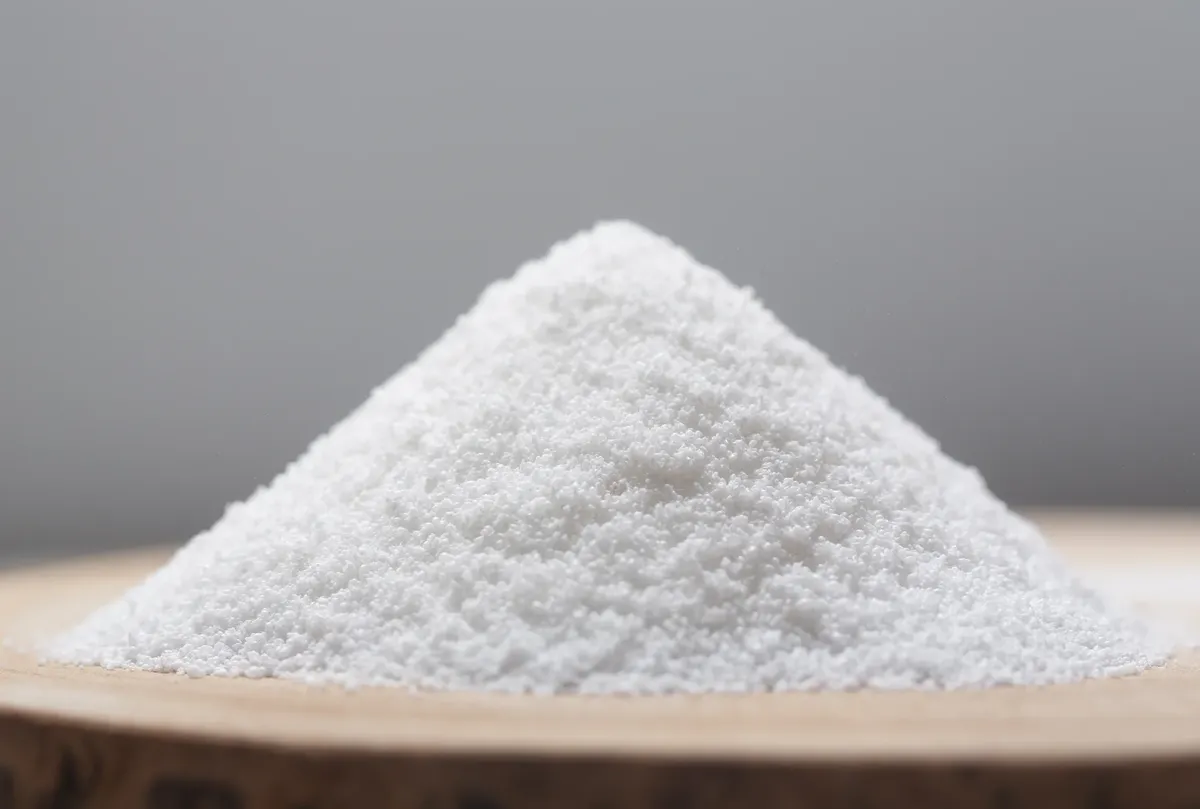
What Surface Treatment Does for Thermal Oxide Fillers
- Supports resin wetting. A matched organic interface helps binder contact the available oxide surface.
- Manages particle interaction. Surface modification can address agglomeration that interferes with high-loading processing.
- Adds chosen reactive functionality. Glycidoxy or vinyl groups offer different routes for compatible curing systems.
- Adjusts moisture response. Alkyl treatment changes surface affinity for water and selected organic media.
- Supports reproducible formulation. Consistent surface state helps you compare processing and performance across treated-powder lots.
Typical Uses
End use: Alumina for silicone thermal pads
What matters most
Wetting, high loading, cure, flexibility and migration after conditioning
End use: Spherical alumina for epoxy potting
What matters most
Dispensing, settling, cure, voids and electrical behavior
End use: Zinc oxide thermal fillers
What matters most
Specific oxide grade, original finish and receiving resin
End use: Multimodal oxide blends
What matters most
Particle packing, total surface area and controlled filler volume
End use: High-solids thermal dispersions
What matters most
Shear-dependent rheology, storage, settling and redispersion
Recommended LANDUSIL Products
| Product | Chemistry | CAS | Why choose it |
|---|---|---|---|
| LANDUSIL LEGRA 2011-L | 3-Glycidoxypropyltrimethoxysilane | 2530-83-8 | Glycidyl surface functionality for compatible epoxy or other systems with an appropriate reaction partner |
| LANDUSIL LEGRA 3010-L | Vinyltriethoxysilane | 78-08-0 | Vinyl-bearing interface where the defined silicone or polymer cure uses available vinyl functionality |
| LANDUSIL LEGRA 5050-L | n-Octyltriethoxysilane | 2943-75-1 | Octyl surface modification for selected oxide wetting and moisture-interaction objectives |
How to Select a Silane for Alumina Filler Treatment
Define oxide grade and particle blend
Record oxide identity, production form, shape, particle distribution and surface area. Ground and spherical alumina present different packing and processing behavior. Zinc oxide brings its own surface chemistry and may already carry a silicone, silane or other finish.
Include fine fractions when describing multimodal blends. Their contribution to surface area helps explain treatment demand, while the complete particle blend controls packing. Keep filler volume visible alongside mass loading when comparing formulations.
Match chemistry with the cure package
Glycidoxy treatment introduces an epoxide-bearing group for a suitable resin or hardener partner. Use the actual epoxy package to define the desired surface interaction and its effect on working time and cure.
Vinyl treatment provides an unsaturated surface function for a defined reactive silicone or polymer route. Identify the reaction partner and catalyst or initiator used in that formulation. For an alkyl treatment, focus the comparison on wetting, moisture interaction and compatibility with the chosen medium.
Fit treatment to the formulation process
Choose powder pretreatment or a defined addition during resin dispersion. Pretreatment gives the powder supplier control of coverage, drying and delivery. Addition during mixing exposes the agent directly to the resin, cure ingredients and other additives.
Compare the initial surface change at a fixed particle blend and filler volume. If easier incorporation later allows a revised packing or loading design, record it as a further development step. See thermal fillers and electrical insulation composites for the downstream formulation context.
Application and Evaluation Guidelines
Follow treatment distribution, retained organic material, free or extractable agent, moisture and residual volatiles. Check whether treatment or drying changes agglomeration and the delivered particle blend. Methoxy hydrolysis releases methanol; ethoxy hydrolysis releases ethanol. Use the current SDS for the selected process.
Measure viscosity under relevant shear conditions, dispensing, settling, cure and void formation. Add the electrical tests required by the actual composite and the intended moisture or thermal conditioning. For thermal assessment, state method, temperature, specimen thickness, pressure and contact conditions.
Bulk or apparent composite thermal conductivity and assembled-interface thermal resistance answer different questions. Lower mixing viscosity does not establish higher conductivity, and excessive organic coverage can increase resistance to heat flow. Detection of an organic layer does not establish a specific oxide–silicon bond. Judge treatment retention, processing and thermal response together.
Track bleed, settling, hardness and relevant contact behavior after conditioning. Alumina and ATH are different minerals, while BN and AlN have different surface and moisture requirements. Use grade-specific routes and retain the starting or current treated oxide as the comparison.
Frequently Asked Questions
Which silane is used on alumina for epoxy potting?
Glycidoxy functionality is a useful route where the epoxy formulation supplies an appropriate reaction partner. Compare treated powder through dispensing, settling, cure, voids and conditioned composite performance.
How much silane should I use on thermal alumina?
Plan trial levels from surface area, existing coating and supplied chemistry. Assess retained coating and free residue alongside rheology, cure and thermal behavior at a defined filler volume.
How should I compare treatments for silicone thermal pads?
Use the same oxide blend and silicone cure package for the first comparison. Follow wetting, processing, cure and flexibility, then measure the intended thermal endpoint under consistent contact conditions.
What is the difference between thermal conductivity and thermal resistance?
Conductivity describes heat transmission through a defined material specimen. Thermal resistance also reflects the tested geometry and, in interface measurements, contact conditions. Record these conditions when comparing thermal compounds.

Samples and Technical Support
LANDUSIL provides samples, TDS, SDS and selection support for thermal oxide treatment. Please include:
- Oxide grades, shapes, particle blend and existing finishes
- Surface area, moisture and ionic-cleanliness requirements
- Resin, cure package and filler loading by mass and volume
- Mixing or dispensing process, thermal test method and main issue
- Estimated quantity, packaging preference and destination country