

Coatings & Inks
Silicone Resin for Heat-Resistant Coatings
A silicone resin for heat-resistant coatings supplies the binder phase that holds pigments and fillers together through heating and cooling. For ovens, stove exteriors and exhaust-adjacent parts, useful development targets include retained adhesion, consistent color and a film that stays intact after repeated thermal cycles.
LANDUSIL supplies methyl phenyl and phenyl silicone resins in solid, solution, reactive liquid, emulsion and powder forms. Coating formulators can choose the incorporation route that suits their production equipment, then build the pigment package and cure around the component's actual heat history.
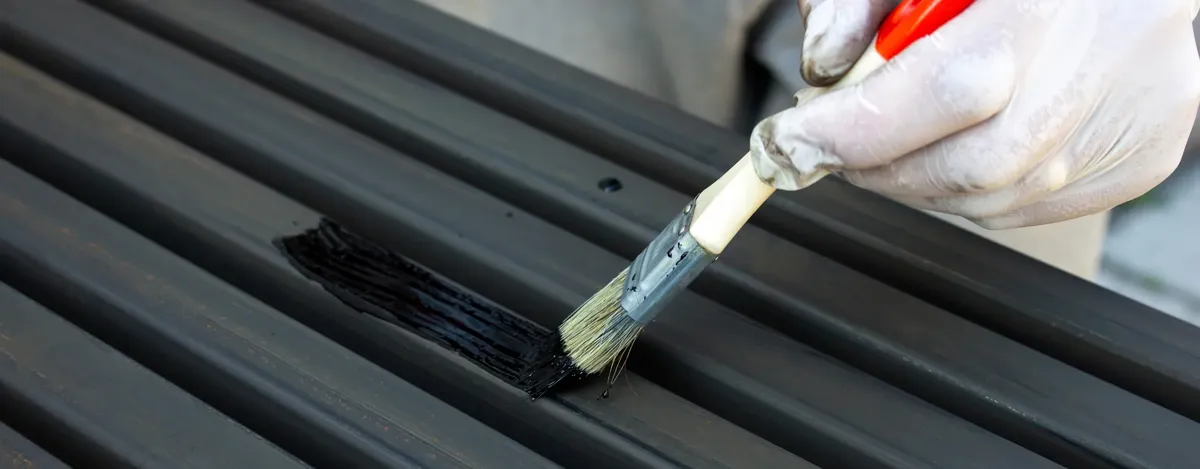
What a Silicone Resin for Heat-Resistant Coatings Does
- Provides a heat-resistant binder route: silicone resin chemistry supports formulation of films for heated metal parts.
- Connects resin form to production: solids, solutions, emulsions and powders offer different mixing and application options.
- Supports controlled network development: appropriate residual functionality provides a route to chemical curing.
- Accommodates the selected pigment package: the binder carries colorants and fillers chosen for the same thermal exposure.
- Supports practical handling and service properties: formulation design can address initial appearance, assembly and later heating as successive requirements.
Typical Uses
End use: Exhaust-adjacent metal components
What matters most
Surface-temperature gradients, vibration and repeated heating/cooling
End use: Stoves, flues and boiler exteriors
What matters most
Sustained or intermittent heat, color retention and adhesion
End use: Industrial ovens and heated equipment
What matters most
Initial bake, film continuity and maintenance recoat procedure
End use: Appliance and aluminum decorative parts
What matters most
Smooth appearance, handling and assembly before service heating
End use: Heated process pipes
What matters most
Thermal exposure combined with moisture or chemicals during shutdown
End use: Waterborne heat-resistant finishes
What matters most
Emulsion stability, water removal, film formation and cure
Recommended LANDUSIL Products
| Product | Chemistry | CAS | Why choose it |
|---|---|---|---|
| LANDUSIL NOVERA 2010-S | Solid methyl phenyl silicone resin | Mixture – see SDS | Solid flake binder route for controlled dissolution or incorporation |
| LANDUSIL NOVERA 2010-L-XY60 | Methyl phenyl silicone resin in xylene solution | Mixture – see SDS | Solution route for solvent-borne heat-resistant paint manufacture |
| LANDUSIL NOVERA 2040-L | Methoxy-functional methyl phenyl silicone resin | Mixture – see SDS | Reactive resin route involving controlled hydrolysis and condensation |
| LANDUSIL NOVERA 2070-E-45 | Waterborne phenyl silicone resin emulsion | Mixture – see SDS | Aqueous binder form for waterborne heat-resistant finishes |
| LANDUSIL NOVERA 2090-P | Phenyl silicone resin powder | Mixture – see SDS | Meltable, film-forming binder for compatible powder processing |
How to Select Your Silicone Resin Binder
Solid resin or solution resin
NOVERA 2010-S gives you a solid flake starting point. Plan the dissolution or incorporation step with the chosen solvent and pigment-dispersion process. NOVERA 2010-L-XY60 introduces the resin as a xylene solution, so include its carrier contribution when setting application viscosity and solvent balance.
Compare the trial formulations on a documented resin-solids basis. This makes differences in film thickness, pigment loading and drying easier to interpret when switching supply form.
Reactive functionality
NOVERA 2040-L carries methoxy functionality for a controlled condensation route. Its hydrolysis releases methanol. Moisture control, the selected reaction partner and catalyst requirements connect storage stability to later film development.
Methyl/phenyl composition, remaining reactive groups and condensation state work together. Choose the resin around the entire binder package and available cure process. For synthesis of a new resin, continue with Methyl and Phenyl Silicone Resin Manufacturing.
Waterborne and powder processing
NOVERA 2070-E-45 brings an aqueous emulsion into the formulation. Build its mixing order around pH, pigment dispersion and the existing colloidal package. Water removal and particle coalescence are important stages in forming a continuous coating.
NOVERA 2090-P serves a meltable binder role. Develop its melt behavior and cure within the intended powder process; the dedicated powder-coating page covers extrusion, grinding and application in more detail.
Application and Evaluation Guidelines
Begin with the real coated component. Record continuous operating conditions, short peak exposure, heating and cooling rates, dwell periods and the environment during shutdown. Use measured component temperatures where available, together with the equipment settings.
Prepare representative substrates with the intended cleaning and pretreatment. Keep pigment identity, filler package and film thickness consistent during initial binder comparisons. Include edges, recesses and welds because local film build and temperature gradients can differ from a flat panel.
Track four stages: drying and handling, specified initial cure, first service heating, and repeated exposure. At each stage, inspect appearance, blistering, cracks and adhesion. Add heat-followed-by-moisture testing when the part encounters condensation or outdoor wetting. Assess repair-coat adhesion on aged films when maintenance is part of the intended use.
Select service-temperature claims from the finished coating's test results. Resin softening, a dry-looking film and a high-phenyl name do not establish a continuous service rating. Heat resistance also needs its own evaluation alongside corrosion protection or fire requirements. Use the current TDS and SDS to define grade handling, solvent precautions and moisture-sensitive processing.
Frequently Asked Questions
Which silicone resin form should I choose for a heat-resistant paint?
Choose the form that fits incorporation and application: a solid for controlled dissolution, a solution for solvent-borne compounding, an emulsion for an aqueous system, or a powder for suitable melt processing. Then confirm the required cure and heat-aged film properties.
How should I test a coating for thermal cycling?
Use the component's heating and cooling sequence, including dwell periods and wet shutdown conditions where relevant. Compare initial and aged color, gloss, adhesion, cracks and film integrity at a consistent thickness.
What is the difference between a methoxy-functional resin and a resin solution?
Methoxy functionality describes reactive chemistry. A resin solution describes its supplied carrier form. Both details matter: functionality guides curing, while the carrier affects mixing, drying and application.
Can waterborne silicone resins be used for heated equipment?
Yes, waterborne phenyl silicone resin emulsions provide a development route. Establish pigment compatibility, aqueous storage stability and film formation, then evaluate the cured coating through the equipment's heat history.

Samples and Technical Support
LANDUSIL provides samples, TDS, SDS and resin-selection support; please include:
- Metal grade, surface preparation and component geometry
- Continuous and peak heat exposure, cycle duration and shutdown environment
- Color, pigment package, film thickness and application method
- Available drying and cure equipment, plus target tests
- Estimated volume, packaging preference and destination country