

Electronics & Electrical
TEOS for Electronic Oxide Film Research
A silicon oxide film process starts with a defined silicon source and ends with a measured layer on the intended substrate. TEOS for electronic oxide film research connects molecular precursor identity with source condition, controlled delivery and the requirements of the deposited film.
LANDUSIL supplies tetraethyl orthosilicate as an organosilicon ingredient for defined development studies. Electronic chemical, display-substrate and microdevice researchers can use that identity to establish the analytical, packaging and process evidence needed at their current research stage.
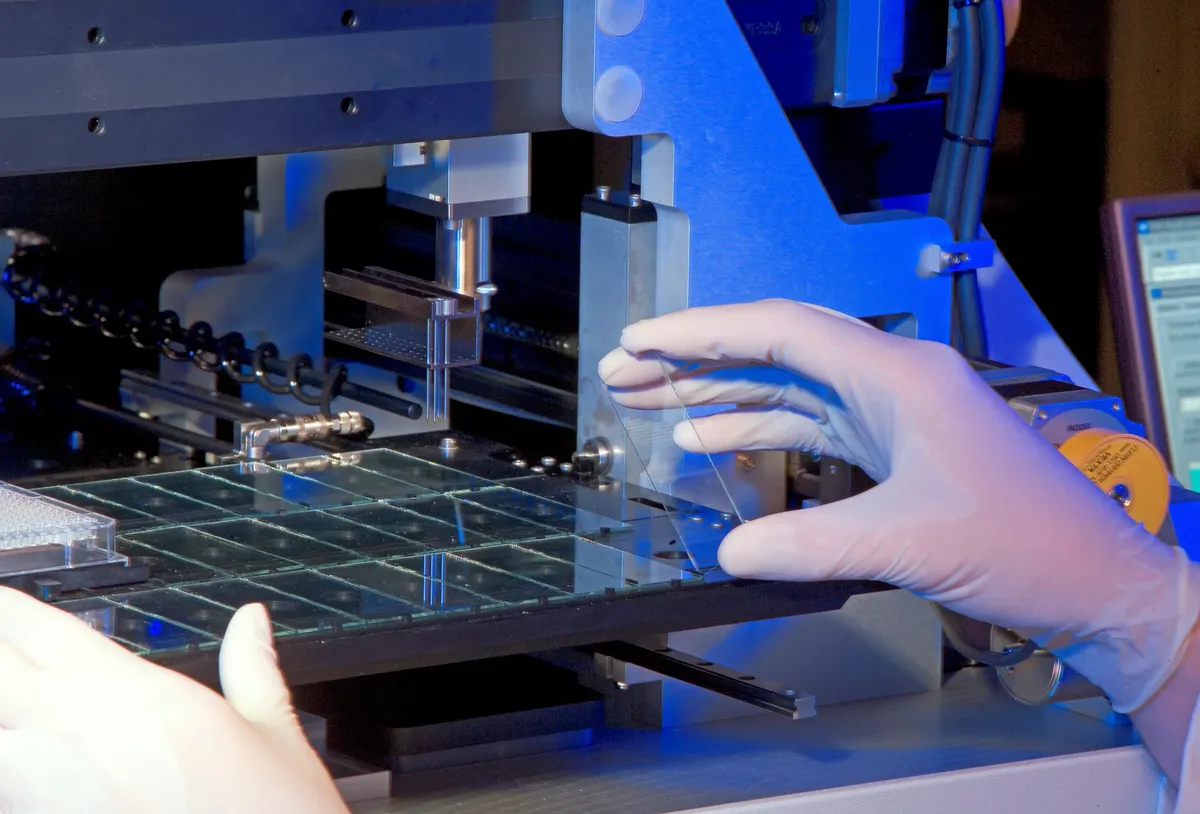
What TEOS for Electronic Oxide Film Research Does
- Provides a molecular silicon source. TEOS supplies a defined starting molecule for suitable silicon oxide process studies.
- Supports source-material comparisons. Its molecular identity gives a basis for examining evaporation, transport and residue.
- Connects chemistry with delivery. A precursor study can relate analytical condition to the material reaching the process inlet.
- Supports film-development work. A defined source can be assessed through the selected reaction process and deposited layer.
- Enables stage-specific evaluation. Source analysis, delivery, reaction and film measurements each answer a practical development question.
Typical Uses
Research task: TEOS-fed silicon oxide process
What matters most
Actual equipment, reaction chemistry and film objective
Research task: Display-substrate insulation-layer screening
What matters most
Substrate dimensions, temperature budget and existing layers
Research task: Microdevice dielectric or passivation films
What matters most
Exposed surfaces, geometry, coverage and electrical function
Research task: Source purification and delivery
What matters most
Water, relevant impurities, packaging contact and feed consistency
Research task: Molecular versus precondensed silicate comparisons
What matters most
Composition, distribution, evaporation and residue
Recommended LANDUSIL Products
The mapped ingredient is LANDUSIL UNARA 5010-L. Its defined TEOS identity provides the starting material for a project-specific source and film evaluation.
| Product | Chemistry | CAS | Why choose it |
|---|---|---|---|
| UNARA 5010-L | Tetraethyl orthosilicate, TEOS | 78-10-4 | Molecular silicon-source ingredient for defined oxide-film research |
How to Select a TEOS Research Project
Confirm the starting material
Distinguish molecular TEOS from precondensed ethyl silicates, hydrolyzed sols and finished silica particles. Establish the composition and remaining species before comparing evaporation or transport. These material states present different molecular distributions and delivery behavior.
Define the development stage
State whether the project concerns purification, source packaging, feed stability, reaction behavior or film properties. Identify the tool and substrate constraints at that stage. For display substrates, include the existing layers and temperature budget; for microdevices, include the actual exposed surfaces and geometry.
Specify relevant analytical information
List water, metals, ionic contamination, particles and organic residues that matter to the process. Include analytical method, detection capability and sampling basis. Chemical assay and trace-element analysis provide complementary information for a material specification.
Connect packaging and delivery
Identify the wetted materials, container closure, valves and transfer connections. Include filling, storage and sampling history in the source-development brief. Compare material condition before and after the relevant contact and use sequence.
Application and Evaluation Guidelines
Evaluate the supplied material and its condition at the process inlet using a consistent sampling plan. A general purity percentage does not describe every impurity category, and a purified laboratory sample cannot establish the condition maintained through packaging and transfer.
Study feed consistency, thermal history and residue through a method suited to the actual source and equipment. Define the reaction conditions for the selected process. TEOS identity does not establish a universal deposition recipe or suitability for every vapor-deposition mechanism.
Measure the resulting film's thickness, spatial uniformity, defects, coverage and relevant chemical or structural characteristics. Add the electrical construction, test method and conditioning for leakage or breakdown measurements. A stable feed does not establish oxide composition, dielectric quality or completed-device performance.
Wet precursor conversion follows a different processing route. Sol-Gel Silica Sol and Particle Synthesis covers sol and particle synthesis, while PV Glass Antireflective Sol–Gel Coatings addresses a wet optical-coating objective. Their material data require their own evaluation before transfer to electronic film research. HMDS surface preparation also has a different reaction and purpose from oxide deposition.
Use actual lot analysis, packaging and equipment results for any source qualification. The ingredient's chemical identity supports research discussion while electronic purity and finished-film acceptance depend on the documented process and material.

Frequently Asked Questions
What is TEOS in silicon oxide film research?
TEOS is tetraethyl orthosilicate, a molecular silicon source used in suitable silicon oxide processes. Evaluate its analytical condition and delivery behavior together with the chosen reaction and film objective.
How does TEOS differ from precondensed ethyl silicate?
Molecular TEOS has a defined molecular identity. Precondensed ethyl silicate contains a different distribution of condensed species. Compare composition, evaporation and residue using the actual supplied materials.
Which impurity measurements matter for an electronic precursor study?
Define the water, relevant metals, ions, particles and organic residues required by the equipment and film. Include detection capability, method and sampling condition with the results.
What should be measured after a TEOS-fed deposition trial?
Assess thickness, uniformity, defects and relevant film chemistry. For a dielectric layer, add electrical testing on the intended film and device arrangement after the specified conditioning.
Samples and Technical Support
LANDUSIL provides samples, TDS, SDS and material-selection discussion for defined precursor studies. Include:
- Research stage, equipment and film objective
- Substrate geometry, existing layers and thermal constraints
- Proposed source, packaging and delivery configuration
- Analytical requirements and film-acceptance measurements
- Estimated quantity and destination country