

Industrial Release Agents
Silicone Soft-Tool Release Ingredients
A useful silicone release interface preserves the mold, the new casting and the details being copied. Selecting silicone soft-tool release ingredients starts with both contacting materials: the fresh silicone and the master, metal tool or existing silicone mold. That pairing guides the film design and the contact tests needed before molding.
LANDUSIL supplies PDMS, alkyl-modified silicone fluid and MQ resin for release-film formulation studies. These chemistries offer fluid-phase and film-structure variables for a defined project. Silicone-to-silicone release requires particular attention to interfacial bonding, while heated LSR and HCR molding introduce their own tooling and cure conditions.
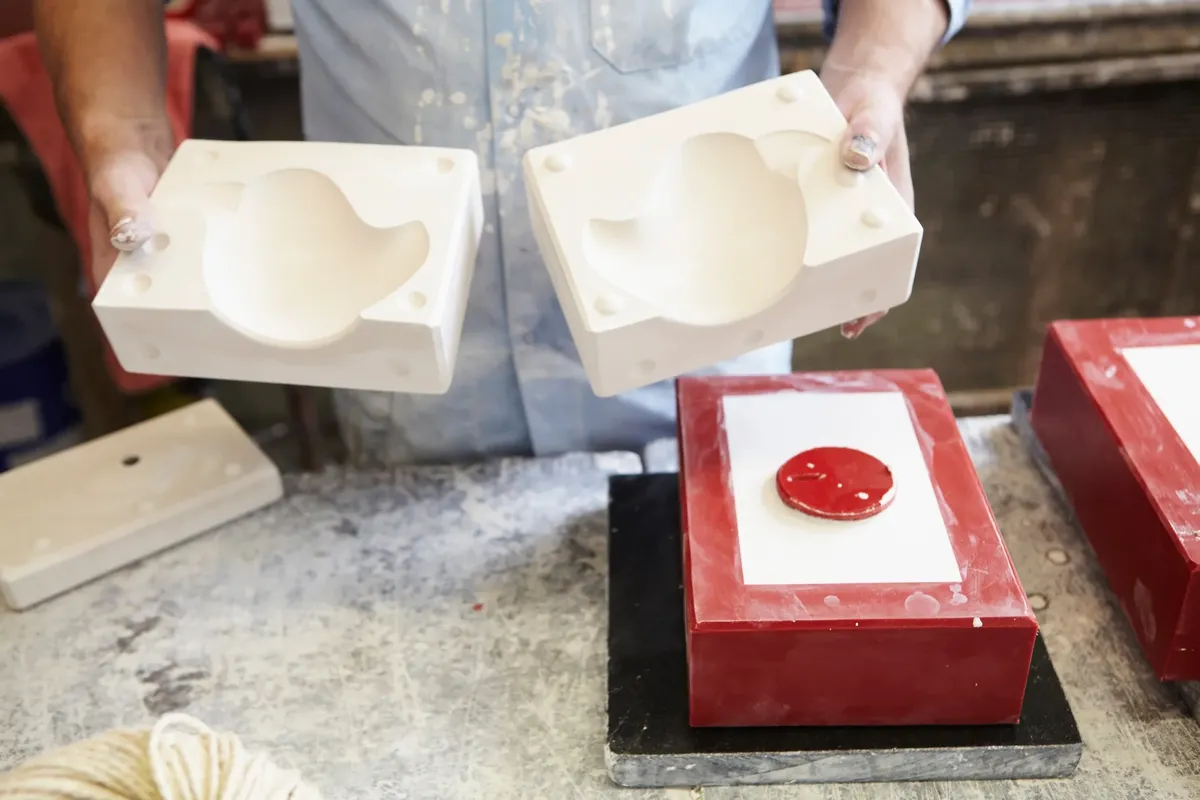
What a Designed Release Interface Does for Silicone Molding
- Controls contact between the surfaces. A deliberately prepared layer gives you a defined interface to assess during casting and demolding.
- Supports detail-focused development. Controlled film application lets you compare removal with texture and feature reproduction.
- Connects formulation to the tool. The fluid, resin and carrier can be screened with the actual mold material and surface treatment.
- Keeps cure and release measurable. Contact tests help distinguish a cured surface that releases from a soft surface caused by a cure problem.
- Supports later assembly. Tracking residue and surface preparation carries the evaluation through sealing, bonding or other finishing operations.
Typical Uses
End use: Silicone mold made from a master
What matters most
Master material, surface treatment, fresh silicone cure and reproduction of detail
End use: Silicone cast into an existing silicone mold
What matters most
The actual silicone pair, a suitable reference separation layer and interfacial bonding
End use: LSR molding against metal
What matters most
Heated tooling, compound cure and the role of any external release in the production process
End use: HCR compression or transfer molding
What matters most
Thermal and contact history, tool finish and removal of the cured part
End use: Fine-detail or microstructured PDMS replicas
What matters most
Feature dimensions, film thickness, channel residue and later sealing or bonding
Recommended LANDUSIL Products
The following materials are options for formulation studies. Select the material role around your tool and silicone pair, then use the evaluation sequence below to establish whether the complete layer suits that interface.
| Product | Chemistry | CAS | Why choose it |
|---|---|---|---|
| LANDUSIL DUVERA 1010-L | Polydimethylsiloxane, dimethyl silicone fluid | 63148-62-9 | PDMS fluid comparison in a designed formulation after defining the silicone/tool contact pair |
| LANDUSIL DUVERA 2010-L | Alkyl-modified silicone fluid | See SDS | Modified-fluid option for studying organic-component compatibility and the deposited interface |
| LANDUSIL NOVERA 3020-S | MQ silicone resin, trimethylsiloxysilicate | 56275-01-5 | Resin phase for controlled studies of film cohesion and tack against the intended silicone |
How to Select Silicone Soft-Tool Release Ingredients
Define the two sides of the interface
Specify the fresh silicone and cure system, then describe the receiving surface and its history. Making a mold from a master places fresh silicone against the master. Casting into a cured silicone tool places two silicone materials together. Document the sequence for each mold half when developing a multipart tool.
Include previous cleaning agents, coatings and materials used on the tool. This history helps you choose representative specimens for soft-mold compatibility and contact-cure checks.
Match the study to the molding process
For heated metal tooling, use the actual compound and molding sequence. Liquid Silicone Rubber for Injection Molding and HCR Silicone Compression and Transfer Molding cover those material-development routes.
For room-temperature replication, choose specimens that reproduce the contacting materials and relevant fine features. In PDMS microreplication, inspect channel geometry and the surface that will later be sealed. Include the complete film-application and carrier-removal sequence in the comparison.
Define the fluid, resin and carrier variables
Use the supplied PDMS viscosity, alkyl modification or MQ resin form to design consistent mixtures. Establish the carrier and the way it deposits the layer. Keep mixing, application and drying records so changes in separation or detail can be related to the formulation.
Application and Evaluation Guidelines
Begin with an established reference release suitable for the actual silicone pair and a clean contact-cure reference. Guidance for silicone-to-silicone molding specifically cautions against release formulations containing significant silicone oil. Ordinary PDMS is not a confirmed barrier for this interface. Increasing its amount does not establish separation; alkyl modification also does not establish resistance to uptake by the mold. MQ resin can add tack and requires evidence for the complete film.
Inspect cure at the interface and in the bulk. Certain sulfur-, nitrogen- or tin-containing residues can interfere with platinum-catalyzed cure. A gummy surface is not successful release. If the bulk also stays uncured, review mixing, component ratio and processing as well as contact contamination.
Assess the full carrier system for swelling, dimensions, appearance and mechanical condition after representative exposure and drying. Examine separation, tearing, residue and fine-detail reproduction. Continue through planned cleaning, reapplication and later bonding. Establish performance on the complete material pair and process before adopting a formulation for production.

Frequently Asked Questions
What should I use when casting silicone into a silicone mold?
Start with an established release system intended for that silicone pair. Evaluate any new formulation on a representative contact sample, checking cured separation, mold condition and fine detail before a full casting.
How can I identify silicone cure inhibition at a mold surface?
Compare the contact surface and bulk with a clean reference. Local softness or gumminess points to an interface issue; an uncured bulk also calls for checks of mixing, ratio and process conditions.
What should I measure in soft-mold compatibility testing?
Assess dimensional and surface changes, swelling and mechanical condition after exposure and drying. Then evaluate the mold during casting, including film retention, residue and the features being copied.
What matters when releasing fine PDMS features?
Measure replicated geometry and inspect the contacting surface for residue. Follow the part through its actual sealing or bonding procedure so release development supports the finished structure.

Samples and Technical Support
LANDUSIL provides samples, TDS, SDS and technical selection support for defined silicone-interface studies. Please include:
- Fresh silicone, cure chemistry, master or existing mold material
- Tool history, carrier, application sequence and observed contact behavior
- Feature dimensions, surface-cure concerns and later sealing or bonding
- Estimated quantity, packaging preference and destination country