

Technical Data Sheet
LANDUSIL LEGRA 6021-L
Specification limits, typical properties, guidelines for use, handling, storage and packaging in one document.
FamilyGrades

LEGRA · Phenyl Silanes
LANDUSIL LEGRA 6021-L is diphenyldimethoxysilane, CAS 6843-66-9, a difunctional precursor for building diphenyl-containing siloxanes. Its two phenyl substituents and two methoxy groups give resin and fluid manufacturers a way to introduce diphenyl silicon units while controlling the other structural units through co-reactant selection.
The practical distinction is functionality at silicon. A phenyl trialkoxy precursor offers three hydrolyzable sites; this diphenyl dimethoxy material offers two. That difference helps you design the connectivity of the material you synthesize.

| Item | Information |
|---|---|
| Product | LANDUSIL LEGRA 6021-L |
| Chemical name | Diphenyldimethoxysilane |
| CAS number | 6843-66-9 |
| Molecular formula | C14H16O2Si |
| Molecular weight | 244.36 g/mol |
| Structure | (C6H5)2Si(OCH3)2 |
| EC number | 229-929-1 |
| Hydrolysis by-product | Methanol |
| Product family | Phenyl Silanes |
| Property | Value | Test method |
|---|---|---|
| Appearance | Colorless to yellow clear liquid | Visual |
| Purity (GC) | min. 98.0 % | Gas chromatography |
| Density, 20 °C | 1.078 ± 0.005 g/cm³ | Density measurement |
| Refractive index, nD25 | 1.5350 – 1.5450 | Refractometry |
| Property | Typical value |
|---|---|
| Boiling point, 15 mmHg | approx. 161 °C |
| Flash point, closed cup | approx. 121 °C |
Typical values are provided for reference only and are not to be construed as specifications. Please refer to the current Technical Data Sheet (TDS) and Certificate of Analysis (CoA) for the supplied grade.
Technical Data Sheet
Specification limits, typical properties, guidelines for use, handling, storage and packaging in one document.
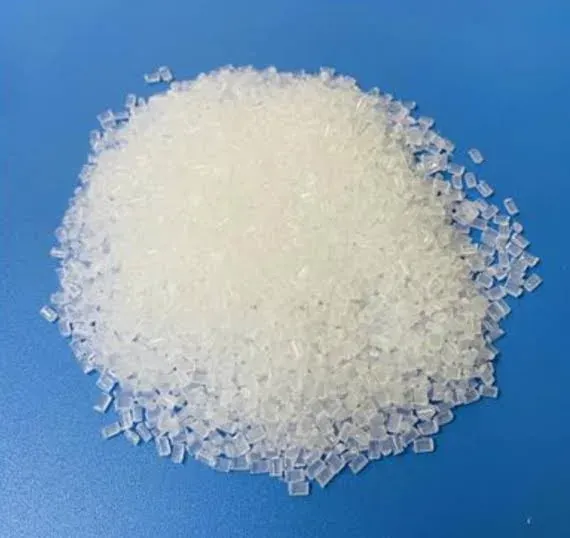
LEGRA 6021-L supplies potential diphenyl D-type units in methyl and phenyl silicone resin manufacturing. Pair it with appropriate T-type and other precursors to develop the target structural-unit balance, remaining functionality and usable resin form.
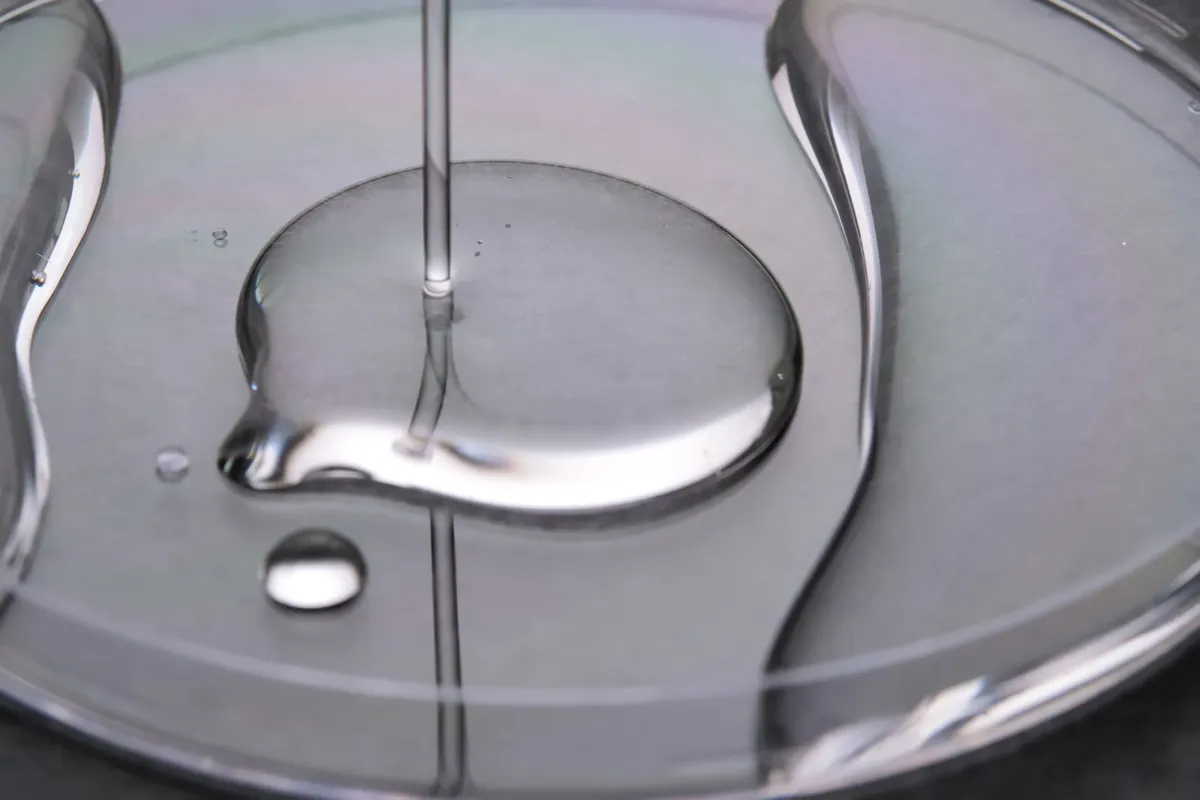
Use the diphenyl precursor within a defined phenyl silicone fluid manufacturing route. A documented route first reacts it with acetic acid and then introduces other silicon-containing ingredients, so feed identity, reaction sequence and volatile removal are central process choices.
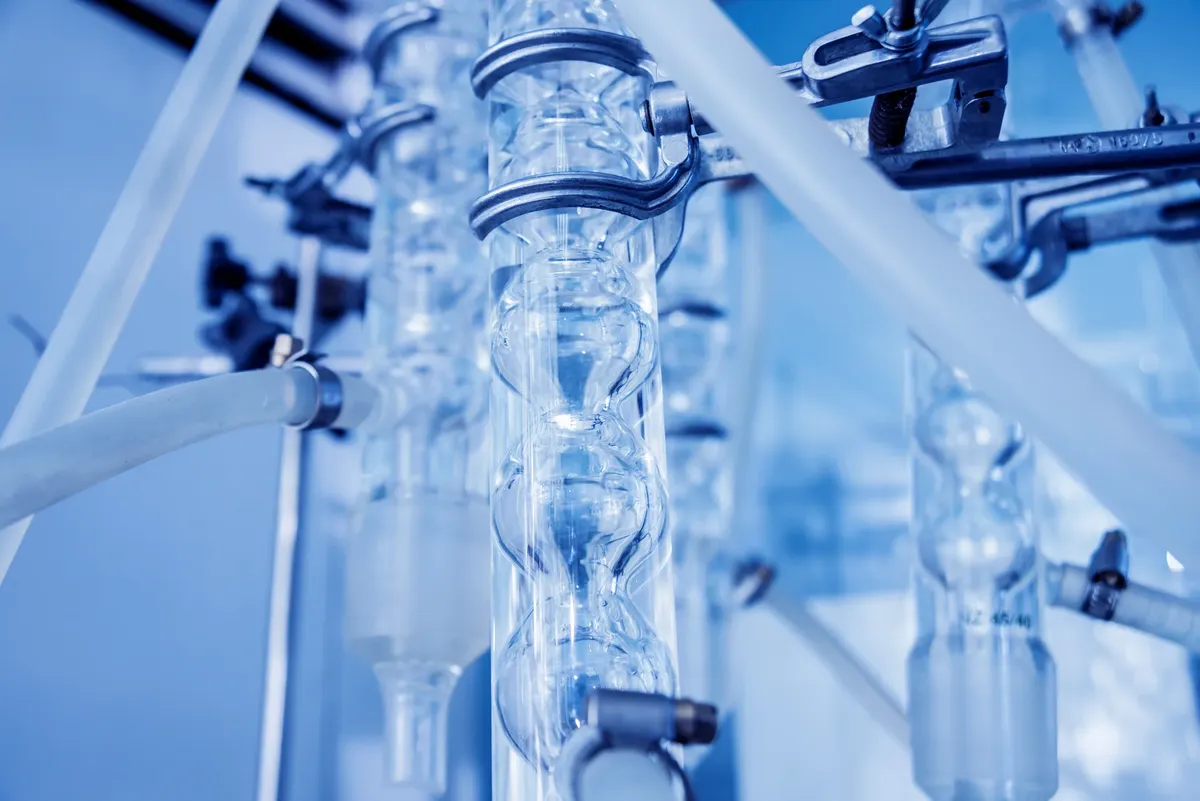
Two methoxy groups provide sites for controlled hydrolysis and further condensation. In silane oligomer and prehydrolysate manufacturing, follow the remaining reactive groups and molecular distribution to obtain an intermediate suited to the next reaction step.
Define the target diphenyl content and the required partners before selecting the route. Account for functionality at silicon, the desired end groups and the processing form of the resulting resin or fluid. In hydrolysis–condensation work, control water, catalyst and methanol removal and monitor molecular development and gel formation.
For an acetic-acid conversion route, follow the actual reaction chemistry and track the relevant volatile products, including methanol and methyl acetate. Treat hydrolysis, acid conversion and siloxane equilibration as distinct process choices. Confirm the composition and stability of the intermediate produced by your chosen sequence.
This molecule is not a source of dimethyl, Si–H, vinyl, amino or epoxy groups. Supply any required additional functionality through suitable co-reactants. Verify thermal, optical or electrical performance on the finished resin, coating or assembly. Assess linearity, cure behavior and crosslink density through characterization of the resulting structure and residuals.
These levels are starting points. Determine the optimum level and method in trials under your own production conditions.
It is a starting material for diphenyl-containing silicone resins, phenyl silicone fluids and reactive oligomers. The co-reactants and process determine the resulting material.
The diphenyl material carries two phenyl groups and two methoxy groups. Phenyltrimethoxysilane carries one phenyl group and three methoxy groups, giving a different potential network connection pattern.
Hydrolysis of its methoxy groups releases methanol. The amount and removal strategy depend on the chosen conversion and condensation process.
Specify the target phenyl composition, end groups, co-reactants, reaction route, volatile-removal process and receiving formulation. These details guide selection and analytical planning.

LANDUSIL offers samples, current TDS and SDS, and selection support. Please include: