

DUVERA · Phenyl Silicone Fluids
LANDUSIL DUVERA 6020-L Phenyl Trimethicone
LANDUSIL DUVERA 6020-L is listed as phenyl trimethicone for structure-led phenyl-silicone formulation work. The useful development task is to match the supplied material's composition and physical form to your receiving blend, coating or optical system, then connect compatibility with the required processing behavior.
A fluid blend, a resin-containing coating and a waterborne dispersion place different demands on the silicone ingredient. Build the selection around the phase you need and the way it enters the process. LANDUSIL provides samples and current technical documentation to support that grade-specific comparison.
- CAS number
- 70131-69-0

Product Identity
| Item | Information |
|---|---|
| Product | LANDUSIL DUVERA 6020-L |
| Product name | Phenyl Trimethicone |
| CAS reference | 70131-69-0 |
| Material selection basis | Current grade composition, structure and supplied form |
| Chemical name | Phenyl trimethicone |
| CAS number | 70131-69-0 |
| Physical form | Clear liquid |
| Product family | Phenyl Silicone Fluids |
Specifications
| Property | Value | Test method |
|---|---|---|
| Appearance | Colorless to pale yellow, clear liquid | Visual |
| Viscosity, 25 °C | 15 – 35 mm²/s | Capillary viscometer |
| Refractive index, nD25 | 1.4548 – 1.4700 | Refractometry |
Typical Properties
| Property | Typical value |
|---|---|
| Specific gravity, 25 °C | approx. 0.97 – 0.99 |
| Color | up to 15 APHA |
| Flash point | above 200 °C |
Typical values are provided for reference only and are not to be construed as specifications. Please refer to the current Technical Data Sheet (TDS) and Certificate of Analysis (CoA) for the supplied grade.
Key Features
- Phenyl-silicone selection route: supports projects comparing a characterized phenyl-containing material with the receiving formulation.
- Phase-based formulation: connects the documented fluid, resin or carrier form with the appropriate mixing and application process.
- Compatibility focus: helps organize blend studies around clarity, phase stability and subsequent processing.
- Waterborne development option: provides a route to investigate emulsification or dispersion once the supplied phase is identified.
- Optical evaluation context: links material characterization with refractive matching and behavior in a complete optical formulation.
Applications
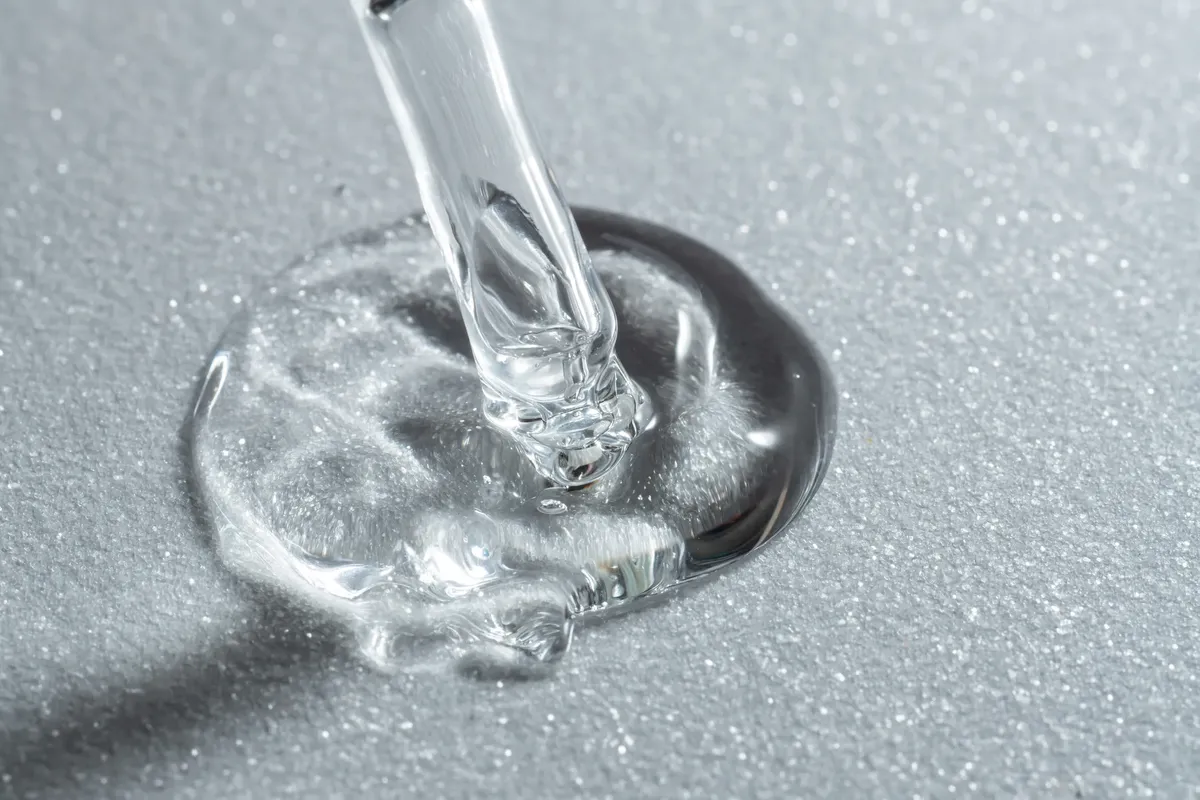
Phenyl material blending
For a confirmed compatible fluid supply, evaluate DUVERA 6020-L in a controlled blend with a documented silicone baseline. The phenyl silicone fluid manufacturing context connects incoming material characterization with blending, filtration or de-airing and stability after storage.

Emulsion and dispersion development
The actual supply form guides whether you develop an oil emulsion, resin dispersion or carrier-exchange process. In silicone emulsion and dispersion manufacture, choose the delivery approach around that phase, the receiving water quality and the intended dilution and storage conditions.

Coating formulation compatibility
Coating formulators can investigate the characterized material in the intended binder and carrier. Coating surface and processing additives provides the application context for relating addition point, phase distribution and film formation to appearance, friction and recoating.
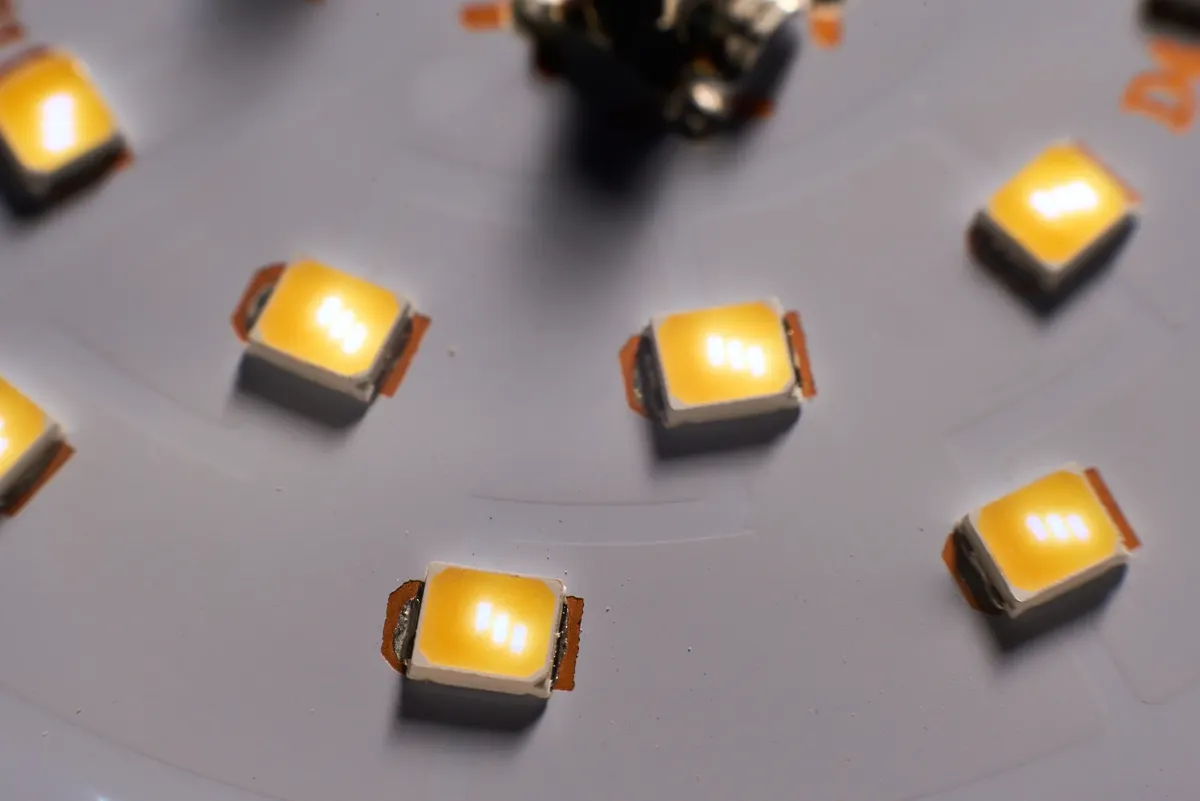
Optical material formulation
Evaluate the material's documented phase and any measured reactive groups against the optical matrix you plan to use. In LED and optical silicone materials, assess compatibility and refractive matching alongside the complete curing network, material thickness and device interface.
How to Use Phenyl Trimethicone
Start by confirming the grade identity and composition with the current SDS, TDS and supplied sample. Confirm physical form, siloxane-unit distribution, end-capping, residual silanol or alkoxy groups, molecular distribution and carrier before selecting the formulation route.
For a confirmed fluid, measure viscosity with its test conditions and compare oil-to-oil compatibility, storage uniformity and behavior after the intended thermal history. If the supplied material is a resin or resin solution, establish dissolution, solids basis and film formation using the corresponding process. Branching or phenyl content does not establish a reactive cure group; chemical incorporation needs measured functionality and suitable partners.
For waterborne development, screen emulsifier or dispersant selection, addition sequence, water quality, pH and shear. Track particle or droplet distribution, free phase, dilution and storage behavior. Include any change in reactive groups and viscosity during water exposure when the identified composition makes this relevant.
For coatings, compare addition after grinding and during final adjustment at the same application level and dry-film thickness. Assess craters, gloss, haze, friction and subsequent adhesion. For optical blends, measure refractive behavior at stated conditions, transmittance through the intended thickness, migration and thermal/light aging. Establish handling and deposition equipment from the actual grade SDS before progressing to application trials.
Guidelines for use
- Addition
- Add to the oil phase. Typical use levels depend on the formulation and are set in trials.
- Compatibility
- Check clarity and stability with each oil and emulsifier system.
These levels are starting points. Determine the optimum level and method in trials under your own conditions.
Packaging and Storage
- Packaging: 25 kg plastic drum, 200 kg steel drum, 1,000 kg IBC. Other pack sizes on request.
- Storage: Store in tightly closed original containers in a cool, dry place. Shelf life is 24 months from the date of manufacture in unopened containers.
- Handling and safety: Avoid contact with eyes. Spilled fluid makes floors slippery. Read the Safety Data Sheet before use.
Frequently Asked Questions
What information should I request when selecting phenyl trimethicone?
Ask for the current composition and identity documents, supplied form, carrier and structure information. Match those with viscosity, compatibility and the specific processing requirements of your formulation.
How do fluid and resin supply forms affect silicone formulation?
A compatible fluid enters a blending or oil-emulsification study. A resin or resin solution calls for a dissolution, dispersion or film-forming approach based on its actual composition and functional groups.
How should a phenyl material be tested in an optical formulation?
Define the material's role and the complete curing matrix, then measure compatibility, refractive behavior, transmittance and haze. Include migration and thermal/light aging at the intended thickness and device interface.

Samples, TDS and Technical Support
LANDUSIL offers samples, current TDS and SDS, and material-selection support. Please include:
- Receiving blend, coating binder, dispersion or optical matrix
- Required composition, structural and supply-form information
- Addition point, application process and finished-material test plan
- Expected quantity, packaging preference and destination country