

UNARA · Chlorosilanes
LANDUSIL UNARA 4030-L Dimethyldichlorosilane
LANDUSIL UNARA 4030-L is dimethyldichlorosilane, CAS 75-78-5, a dimethylsiloxane precursor with two methyl groups and two Si–Cl groups. Controlled chlorosilane hydrolysis and condensation produce dimethylsiloxane structures that can be developed into linear and cyclic intermediates for further silicone manufacturing.
The difunctional structure is useful when the synthesis needs dimethylsiloxane chain units. Hydrolysis, acid separation, intermediate analysis and subsequent polymerization form a connected process, with end-group control addressed in the route chosen for the target polymer.
- CAS number
- 75-78-5
- Molecular formula
- C2H6Cl2Si
- Molecular weight
- 129.06 g/mol

Product Identity
| Item | Information |
|---|---|
| Product | LANDUSIL UNARA 4030-L |
| Chemical name | Dimethyldichlorosilane |
| CAS number | 75-78-5 |
| Molecular formula | C2H6Cl2Si |
| Molecular weight | 129.06 g/mol |
| Abbreviation | DMDCS |
| Hydrolysis by-product | Hydrogen chloride |
| Product family | Chlorosilanes – UNARA Silicone Intermediates & Raw Materials |
Specifications
| Property | Value | Test method |
|---|---|---|
| Appearance | Colorless clear liquid | Visual |
| Purity (GC) | min. 98.0 % | Gas chromatography |
Typical Properties
| Property | Typical value |
|---|---|
| Boiling point, 1013 hPa | approx. 70 °C |
| Density, 25 °C | approx. 1.074 g/cm³ |
| Flash point, method not specified | approx. −10 °C |
Typical values are provided for reference only and are not to be construed as specifications. Please refer to the current Technical Data Sheet (TDS) and Certificate of Analysis (CoA) for the supplied grade.
Key Features of Dimethyldichlorosilane
- Difunctional chlorosilane: offers two silicon–chlorine reaction sites for hydrolysis and condensation.
- Dimethylsiloxane building units: retains two methyl substituents on silicon as the siloxane structure develops.
- Intermediate-production role: supports routes producing linear and cyclic siloxane feeds for further processing.
- Coprecursor flexibility: can provide dimethylsiloxane units within a resin feed containing other structural components.
- Process-based quality control: acid, chloride, silanol and product-distribution measurements guide manufacturing development.
Applications

PDMS intermediate production
In PDMS polymerization and end-group control, this chlorosilane belongs upstream of the selected polymerization feed. Controlled hydrolysis and cleanup create intermediates whose composition guides the next synthesis stage.
Silicone resin synthesis
For methyl and phenyl silicone resin manufacturing, dimethyldichlorosilane provides dimethylsiloxane units in a compatible coprecursor route. Other feedstocks supply the network-building and phenyl-bearing portions required by the target resin.

Silanol-terminated polymer manufacturing
Dimethyldichlorosilane can enter suitable industrial routes for silanol-terminated silicone manufacturing. The synthesis and workup are designed around the desired hydroxyl end groups, molecular distribution and residual-chloride requirements.
How to Use
Define the intermediate or polymer required by the next process stage. Confirm incoming grade identity, assay and impurities with current batch documents. Develop the hydrolysis sequence with moisture control, containment, compatible equipment, heat removal and acid-gas management based on the actual process and SDS.
Analyze the linear and cyclic product distribution, residual chloride, silanol groups and molecular weight after hydrolysis and cleanup. Use these results when selecting the subsequent polymerization or equilibration route. Product distribution depends on the reaction and workup, so a particular ring yield or end-group profile requires actual process measurements.
This raw material is not a finished silicone polymer, rubber or coating. For a silanol-terminated route, measure hydroxyl end groups and remaining chloride in the produced polymer. For a resin route, confirm the incorporated structural units and molecular distribution. Qualify the manufactured material in its receiving formulation after purification, and use current grade results to establish incoming-material and safety criteria.
Guidelines for use
- Hydrolysis development
- Set reagent and water charges from the validated industrial route. Establish dry feed transfer, controlled addition, mixing, heat-removal capacity and hydrogen-chloride collection before scale-up. No general direct-formulation addition percentage is specified.
- Composition and finishing
- Measure residual chloride and silanol and determine the linear/cyclic distribution after reaction. Validate acid removal, separation and any catalyst treatment as separate operations, then confirm the intermediate against the needs of the subsequent polymerization process.
These levels are starting points. Where no numerical level is specified, determine the charge or concentration in process trials. Validate the method, product composition and operating conditions for your intended use.
Packaging and Storage
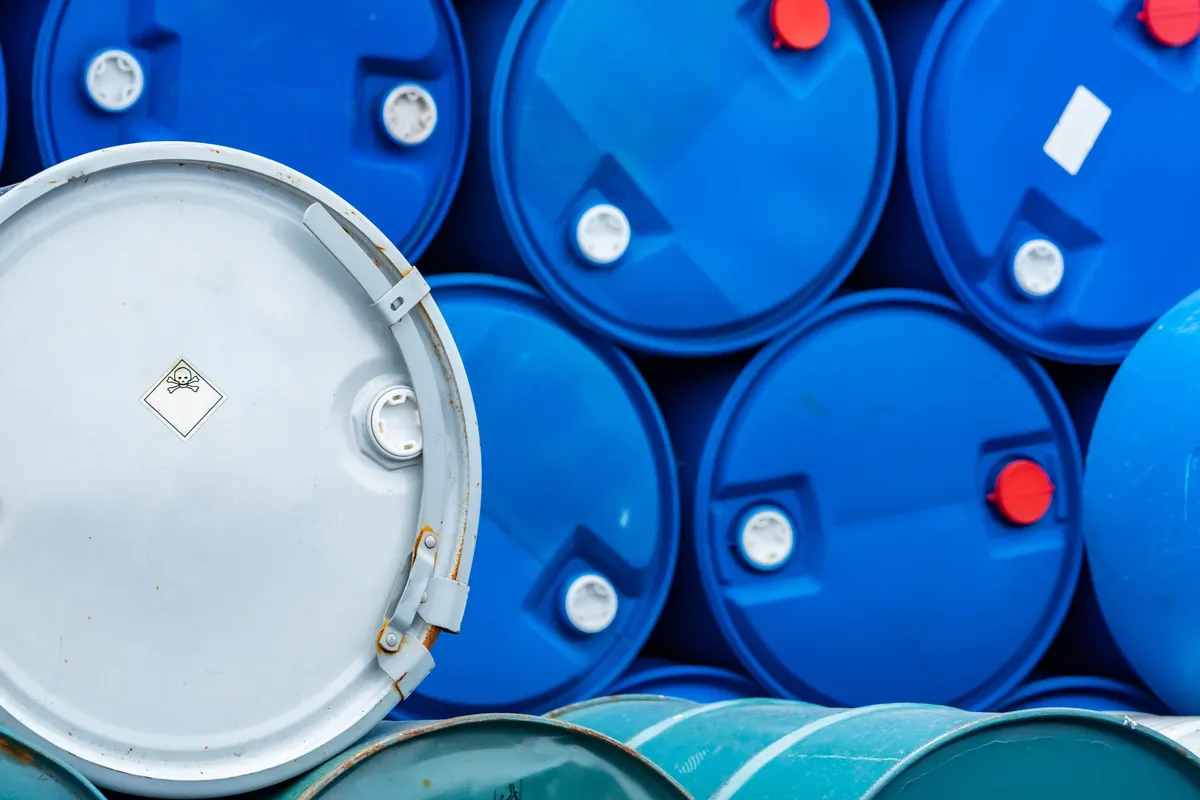
- Packaging: 25 kg plastic drum, 200 kg steel drum, 1,000 kg IBC. Other pack sizes on request.
- Storage: Store in original, tightly closed, compatible containers in a cool, dry, well-ventilated place protected from sunlight, moisture and ignition sources. Keep separate from water, alcohols, bases and strong oxidants. Use dry inert sampling and transfer procedures. Shelf life is 12 months in unopened containers under these conditions.
- Handling and safety: Highly flammable liquid and vapor. Exclude ignition sources, bond and ground transfer equipment and provide suitable ventilation. Reacts vigorously with water and moisture, releasing corrosive hydrogen chloride and heat. Maintain dry containment and qualified acid-gas collection. Toxic if inhaled and harmful if swallowed; may irritate the respiratory tract. Prevent exposure through closed equipment and task-specific protection. Causes severe skin burns and eye damage and may corrode metals. Use compatible equipment, chemical-resistant gloves, protective clothing and face protection. Read the Safety Data Sheet before use.
Frequently Asked Questions
What is dimethyldichlorosilane used for?
It is an industrial precursor for dimethylsiloxane intermediates. Hydrolysis, cleanup and further polymerization are selected to produce the material required by the next manufacturing stage.
What products form during its hydrolysis?
Suitable hydrolysis and condensation can produce linear and cyclic dimethylsiloxane intermediates, with hydrogen chloride released. Measure the actual product distribution under your process conditions.
How does it differ from methyltrichlorosilane?
Dimethyldichlorosilane has two methyl groups and two Si–Cl sites. Methyltrichlorosilane has one methyl group and three Si–Cl sites, providing a different network-building structure.

Samples, TDS and Technical Support
LANDUSIL provides samples, current TDS and SDS, and support for selecting chlorosilane precursors. Please include:
- Target intermediate, polymer and end-group requirements
- Hydrolysis, cleanup and subsequent polymerization route
- Acid handling, cyclic-profile and residual-chloride criteria
- Estimated quantity, packaging preference and destination country