

ANCORIS · Epoxy Systems
LANDUSIL ANCORIS 2020-W Aqueous Epoxy Silane Hydrolysate
LANDUSIL ANCORIS 2020-W is an aqueous epoxy silane hydrolysate for developing water-phase treatments and compatible coating or adhesive interfaces. This waterborne epoxy silane route is suited to formulation work where you can control bath preparation, surface coverage and drying before the next process step.
Match the treatment to the organic functionality available in the supplied material. Silicon hydrolysis prepares one part of the interface chemistry; the epoxy group follows its own reaction path. Bringing both into your development plan helps you choose the receiving resin and organize useful formulation comparisons.
- CAS number
- Mixture – see SDS

Product Identity
| Item | Information |
|---|---|
| Product | LANDUSIL ANCORIS 2020-W |
| Chemical name | Glycidoxypropylsilane hydrolysate, aqueous solution |
| Material type | Waterborne silane formulation |
| CAS number | Mixture – see SDS |
| Functionality | Epoxy (glycidyl ether) |
| Physical form | Aqueous liquid |
| Product family | Epoxy Systems – ANCORIS Silane Oligomers & Prehydrolysates |
Specifications
| Property | Value | Test method |
|---|---|---|
| Appearance | Colourless liquid | Visual |
| pH, 20 °C | 2.5 – 3.0 | pH meter |
Typical Properties
| Property | Typical value |
|---|---|
| Form | Aqueous hydrolysate |
| Hydrolysis alcohol | No volatile alcohol released on use |
Typical values are provided for reference only and are not to be construed as specifications. Please refer to the current Technical Data Sheet (TDS) and Certificate of Analysis (CoA) for the supplied grade.
Key Features of the Aqueous Epoxy Silane Hydrolysate
- Aqueous surface treatment: provides a water-phase route for bringing silane chemistry to glass and other compatible inorganic surfaces.
- Functional-group matching: focuses formulation work on the organic groups available after hydrolysis and storage.
- Fiber-treatment option: supports bath-based interface development before resin impregnation or composite molding.
- Waterborne binder route: offers an ingredient to assess in compatible coating and adhesive dispersions.
- Controlled process sequence: links the wet bath, dried treatment and final binder through one evaluation plan.
Applications

Original glass fiber sizing
Explore ANCORIS 2020-W as an interface component in glass fiber sizing. Match the treatment bath with the film former, lubricant and receiving matrix so bath behavior and strand processing remain connected.
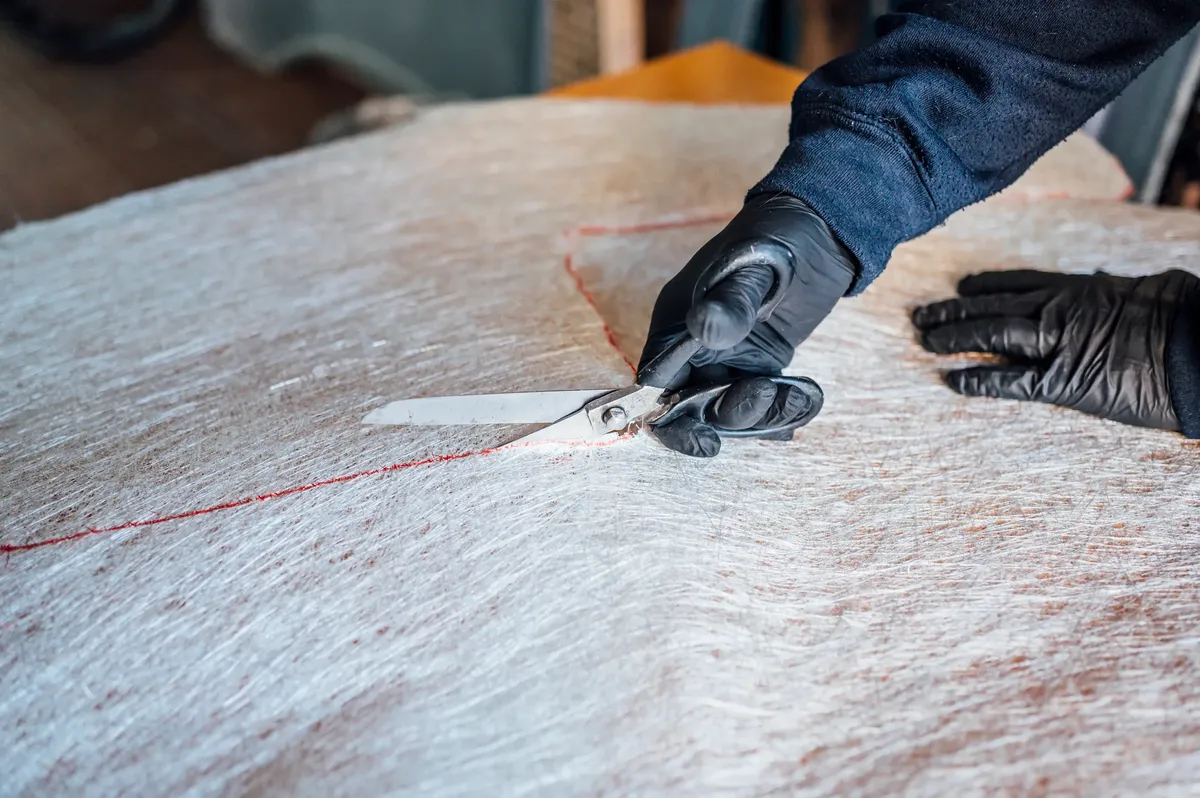
Pretreatment for epoxy infusion
Develop a glass fiber pretreatment that is dried before the reinforcement enters the infusion process. For epoxy fiber composites, follow resin wetting and cure through to the conditioned laminate interface.
Waterborne industrial coatings
Use the grade in development of a compatible dispersion or a waterborne primer. In waterborne industrial coatings, track the response of the binder to the added waterborne silane system and the chosen cure sequence.

Glass and ceramic coatings
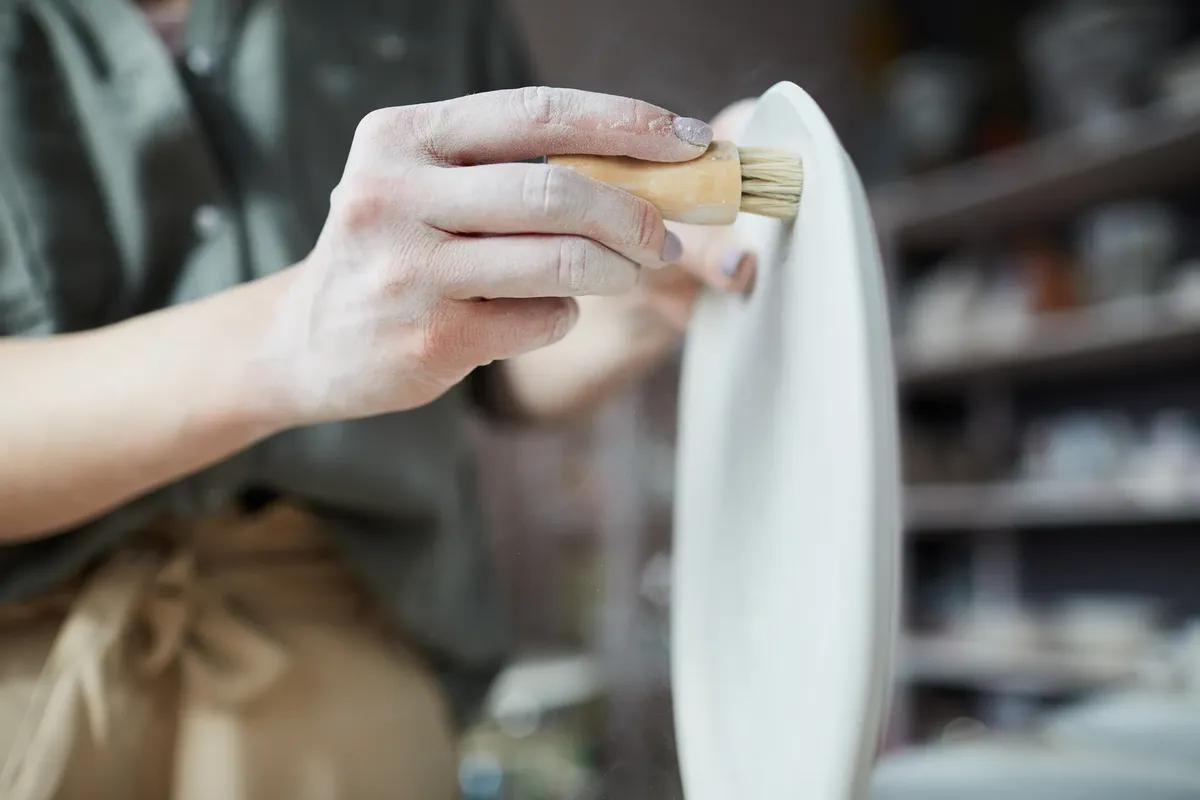
A controlled pretreatment can connect the cleaned glass or ceramic surface with the receiving coating. Include optical appearance, coverage and the dried layer in your glass and ceramic coating trials.
Bonding primers and waterborne adhesives
Assess a dried glass or ceramic bonding primer before adhesive assembly. For a compatible waterborne adhesive, compare primer placement and formulation addition around the actual substrate and binder.
How to Use
Check the current TDS and SDS for composition, water, alcohol, silicon-bound groups and organic functionality. Confirm epoxy retention in the supplied material and after the intended bath age. Silicon-group hydrolysis and epoxy-ring opening are distinct reactions; the aqueous hydrolysate name does not establish a fixed epoxy equivalent or an intact epoxy group throughout storage.
Define process water, dilution, pH, mixing order and the working period. Follow viscosity, appearance and bath stability, then record pickup and drying on your actual substrate. With binder addition, include particle size, gel formation, storage and film formation in the screening plan.
Use a drying step suited to the receiving resin and check residual moisture. This is especially relevant before free-isocyanate adhesives or moisture-sensitive resins. Compare dry adhesion and conditioned adhesion with suitable controls, and test the complete coating, bond or composite for its intended exposure. Establish volatile content and any alcohol release from the actual formulation and process.
Guidelines for use
- Dilution
- Dilute with deionised water to about 0.5 – 5 % silane; check pH before use.
- Application
- Apply to clean surfaces by dipping, spraying or wiping, then dry or cure.
These levels are starting points. Determine the optimum level and method in trials under your own conditions.
Packaging and Storage
- Packaging: 25 kg plastic drum, 200 kg steel drum, 1,000 kg IBC. Other pack sizes on request.
- Storage: Store in tightly closed original containers above 4 °C and below 40 °C. Shelf life is 6 months from the date of manufacture in unopened containers.
- Handling and safety: May irritate skin and eyes; wear gloves and eye protection. Do not allow the product to freeze or dry on equipment surfaces. Read the Safety Data Sheet before use.

Frequently Asked Questions
What is an aqueous epoxy silane hydrolysate used for?
It provides a water-phase route for developing fiber treatments, glass primers and compatible waterborne interfaces. Select the receiving binder around the confirmed organic functionality.
How is silicon hydrolysis different from epoxy opening?
Hydrolysis changes the hydrolyzable groups attached to silicon. Epoxy opening changes the organic ring, so evaluate those reactions and remaining functionality independently.
What should I check in a waterborne treatment bath?
Check pH, viscosity, appearance and stability over the working period, together with treatment pickup, drying and the functionality available to the receiving resin.
Can I use the grade before epoxy resin infusion?
Evaluate it as a reinforcement pretreatment with a controlled drying step. Check residual moisture, resin wetting, cure and the relevant laminate properties after conditioning.
Samples, TDS and Technical Support
LANDUSIL provides ANCORIS 2020-W samples, TDS, SDS and selection support. Please include:
- Substrate or fiber and receiving resin
- Bath preparation, treatment age and drying sequence
- Functional-group, adhesion and conditioning requirements
- Expected quantity, packaging preference and destination country