

ANCORIS · Functional POSS
LANDUSIL ANCORIS 7030-L Glycidyl-Functional POSS
LANDUSIL ANCORIS 7030-L is a glycidyl-functional POSS formulation for developing compatible epoxy resin networks. The glycidyl ether epoxide provides a ring-opening reaction route for coating, adhesive, composite and filled-resin formulators who want to investigate an organic-functional silsesquioxane component.
Begin with epoxy-side addition and a defined resin premix. Measure the epoxide contribution of the supplied material, establish compatibility with the base resin and then set the receiving hardener balance. This ties POSS network modification to the flow, working time and cure that your production process needs.
- CAS number
- Mixture – see SDS

Product Identity
| Item | Information |
|---|---|
| Product | LANDUSIL ANCORIS 7030-L |
| Chemical name | Glycidylpropyl polyhedral oligomeric silsesquioxane |
| Material type | Glycidyl epoxy-functional silsesquioxane formulation |
| CAS number | See SDS |
| Functionality | Glycidyl (epoxy) |
| Physical form | Viscous liquid |
| Product family | Functional POSS – ANCORIS Silane Oligomers & Prehydrolysates |
Specifications
| Property | Value | Test method |
|---|---|---|
| Appearance | Clear, pale yellow, viscous liquid | Visual |
| Viscosity, 25 °C | 4,200 – 5,000 mPa·s | Rotational viscometer |
Typical Properties
| Property | Typical value |
|---|---|
| Refractive index, nD20 | approx. 1.481 |
| Thermal stability (5 % weight loss) | approx. 365 °C |
| Soluble in | THF, chloroform, toluene |
Typical values are provided for reference only and are not to be construed as specifications. Please refer to the current Technical Data Sheet (TDS) and Certificate of Analysis (CoA) for the supplied grade.
Key Features of Glycidyl-Functional POSS
- Glycidyl reaction site: offers an epoxide to match with a suitable curing partner and catalyst.
- Epoxy-side formulation: makes the available epoxide content part of the complete resin-to-hardener calculation.
- Hybrid architecture route: brings silsesquioxane functionality into organic network development.
- Premix control: supports evaluation of initial homogeneity, storage and dispersion through cure.
- Process-led development: connects resin flow and heat generation with the final coating, joint, laminate or casting.
Applications

Functional epoxy coatings
Evaluate the grade in functional coating formulations through the resin preparation stage. Compare leveling, film defects and cure with the surface effect you need, including the adhesion of later coatings or bonded layers.

Epoxy adhesive modification
For reactive epoxy adhesive modification, incorporate the ingredient into the resin component before adding the hardener. Keep joint strength, peel or fracture response and resin stiffness as individual test objectives when choosing the formulation.

Glass fiber composite matrices
Develop the resin blend for epoxy glass fiber molding or infusion around its usable flow window. Follow wetting, local accumulation and void removal as the blend passes through the reinforcement, then assess the cured laminate.
Mineral-filled epoxy castings
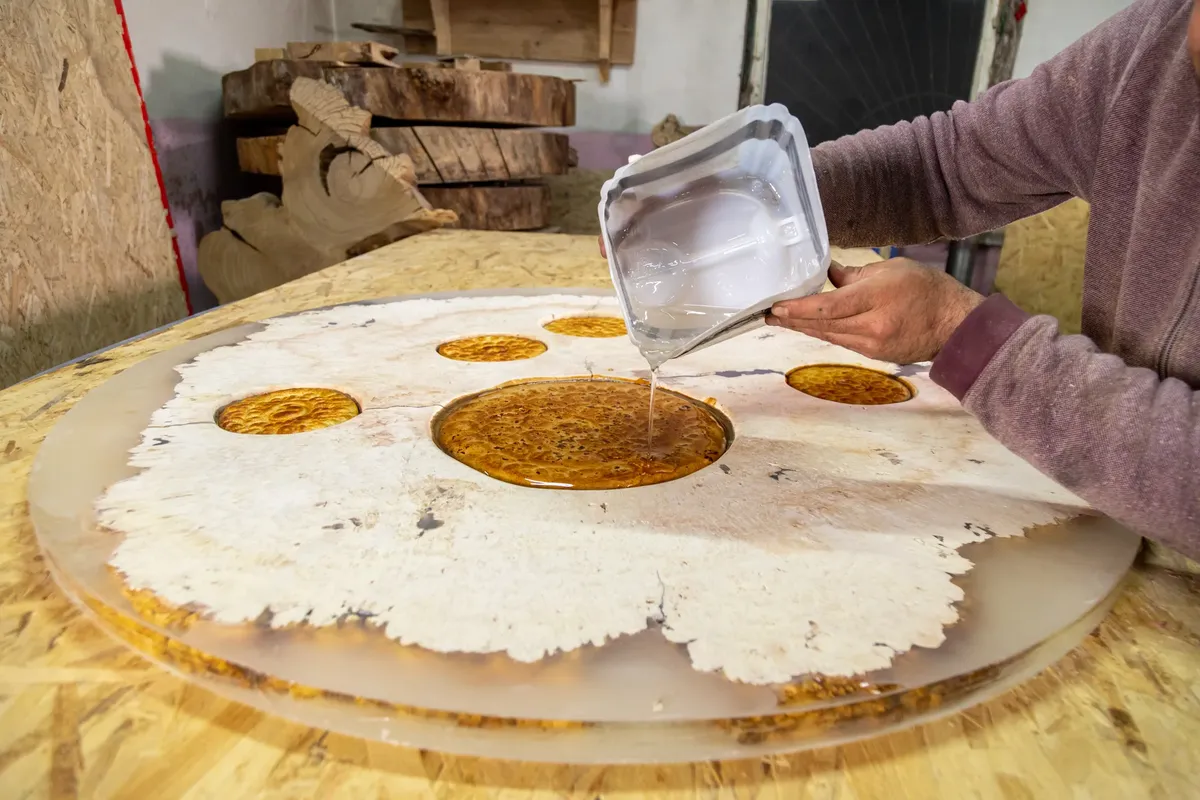
For epoxy artificial stone and mineral castings, prepare a compatible resin phase before adding the selected dry minerals. Connect high-filled rheology and air release with section thickness, cure heat, color and dimensional change.

Epoxy hybrid resin manufacture
In epoxy-siloxane hybrid resin manufacture, define whether the deliverable is a blend retaining epoxide activity or a controlled pre-reaction product. Characterize the remaining functionality and storage behavior before supplying that intermediate to downstream formulators.
How to Use
Confirm composition, supplied form, carrier, epoxide assay and method, moisture and residual monomer from the current TDS and SDS. Establish the silsesquioxane distribution and accessible functionality. The POSS designation does not set a cage size, glycidyl count or hydrolyzable silicon groups for mineral anchoring.
Premix with the intended base resin using a defined mixing sequence, shear and temperature. Inspect dispersion initially, after storage and through cure. Follow viscosity, phase separation and any particle or domain distribution; initial clarity alone gives an incomplete picture of the cured network.
Use the measured total epoxy contribution to select the hardener package. Record working time, exotherm, conversion and the properties of the cured formulation. A cationic route requires its own photoacid, irradiation and conversion study; ordinary radical-acrylate initiation does not establish epoxide incorporation. For NCO-based synthesis, design and characterize any required intermediate before assigning an OH or amine reaction role.
Compare suitable controls at matched cure state, filler or fiber content and process history. Include conditioned adhesion or fracture properties, optical defects and the relevant service exposure. For electronic or high-filled systems, evaluate ionics, residuals, flow, voids and thermal or electrical behavior in the complete formulation.
Guidelines for use
- Incorporation
- Blend into the epoxy resin at 5 – 30 %; warm to about 50 °C to ease mixing.
- Cure
- Cure with aliphatic amine or anhydride hardeners; count the glycidyl groups in the stoichiometry.
These levels are starting points. Determine the optimum level and method in trials under your own conditions.
Packaging and Storage
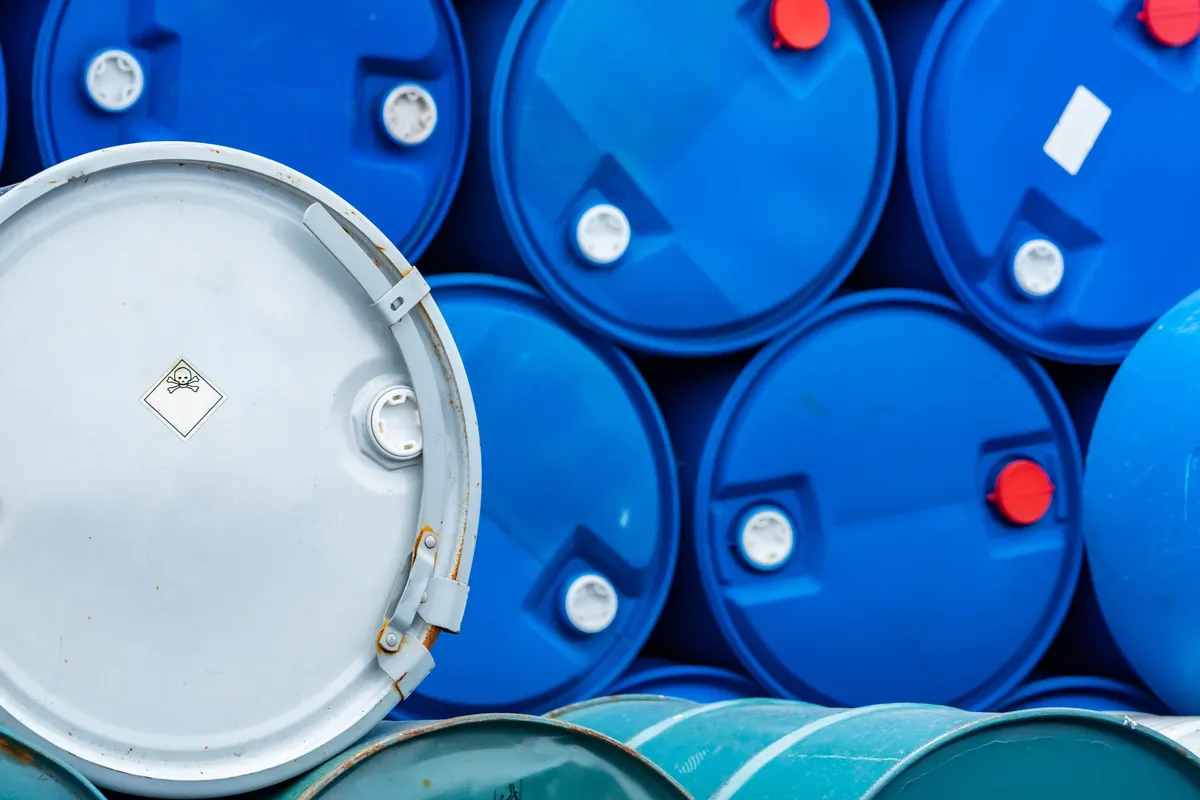
- Packaging: 25 kg plastic drum, 200 kg steel drum, 1,000 kg IBC. Other pack sizes on request.
- Storage: Store in tightly closed original containers in a cool, dry place away from direct sunlight. Shelf life is 12 months from the date of manufacture in unopened containers.
- Handling and safety: Avoid dust and skin contact; wear gloves and eye protection. Handle in a well-ventilated area. Read the Safety Data Sheet before use.
Frequently Asked Questions
What is glycidyl-functional POSS used for?
It is an ingredient for developing compatible epoxy networks in coatings, adhesives, composites and castings. Match the epoxide functionality with the receiving cure package and processing needs.
How do I adjust an epoxy formulation for POSS addition?
Measure the available epoxide contribution of the supplied material and include it in the total epoxy balance. Check the selected hardener, conversion and working time in the complete formulation.
What should I check in a resin premix?
Check homogeneity, viscosity and storage, then inspect dispersion through cure. Include any local accumulation or filtration effect in the actual manufacturing process.
How should I compare casting and thin-film use?
Build trials for each thickness and heat-transfer condition. Compare exotherm and through-section cure in castings, and appearance, defects and adhesion in films.

Samples, TDS and Technical Support
LANDUSIL supplies ANCORIS 7030-L samples, TDS, SDS and formulation selection support. Please include:
- Base resin, hardener and proposed epoxy-side addition
- Filler or reinforcement and mixing or molding process
- Working-time, flow and conditioned-performance objectives
- Estimated quantity, packaging preference and destination country