

DUVERA · Pendant-Vinyl Silicone Fluids
LANDUSIL DUVERA 7010-L Vinyl-Terminated Methylvinylsiloxane-Dimethylsiloxane Copolymer
LANDUSIL DUVERA 7010-L is a vinyl-terminated methylvinylsiloxane–dimethylsiloxane copolymer for reactive silicone formulation development. It combines vinyl chain ends with pendant methylvinyl units, giving formulators two vinyl populations to account for when designing an addition-cure network.
The practical benefit is another polymer-architecture option for your formulation. Adhesive, silicone-base and mold-material developers can connect the position of reactive groups with their chosen Si–H partner, catalyst and processing route. Start with the measured terminal and pendant contributions, then develop the complete material around its forming and cured-property requirements.
- CAS number
- See SDS

Product Identity
| Item | Information |
|---|---|
| Product | LANDUSIL DUVERA 7010-L |
| Chemical name | Vinyl-Terminated Methylvinylsiloxane-Dimethylsiloxane Copolymer |
| CAS number | See SDS |
| End groups | Vinyl terminal functions |
| Chain functionality | Pendant methylvinylsiloxane units |
| Chemical type | Vinyl-terminated methylvinylsiloxane-dimethylsiloxane copolymer |
| Reactive groups | Terminal and pendant vinyl |
| Standard grade | approx. 1,000 mm²/s |
| Physical form | Liquid |
| Product family | Pendant-Vinyl Silicone Fluids |
Specifications
| Property | Value | Test method |
|---|---|---|
| Appearance | Colorless, clear liquid | Visual |
| Kinematic viscosity, 25 °C | 800 – 1200 mm²/s | Capillary viscometer |
| Vinyl content | 0.8 – 1.0 mmol/g | Titration |
Typical Properties
| Property | Typical value |
|---|---|
| Refractive index, nD25 | 1.400 – 1.410 |
| Volatile content | up to 1.5 % |
Typical values are provided for reference only and are not to be construed as specifications. Please refer to the current Technical Data Sheet (TDS) and Certificate of Analysis (CoA) for the supplied grade.
Key Features
- Terminal vinyl chemistry: provides chain-end reaction sites for an appropriately designed silicone addition system.
- Pendant vinyl design: adds the position and distribution of methylvinyl units as a network-selection variable.
- Si–H reaction route: supports hydrosilylation with a suitable hydrogen-functional silicone and catalyst package.
- Reactive polymer role: supplies the vinyl-bearing polymer component within a complete adhesive, mold or coating formulation.
- Process-focused selection: connects documented molecular distribution and viscosity with mixing, de-airing and forming requirements.
Applications
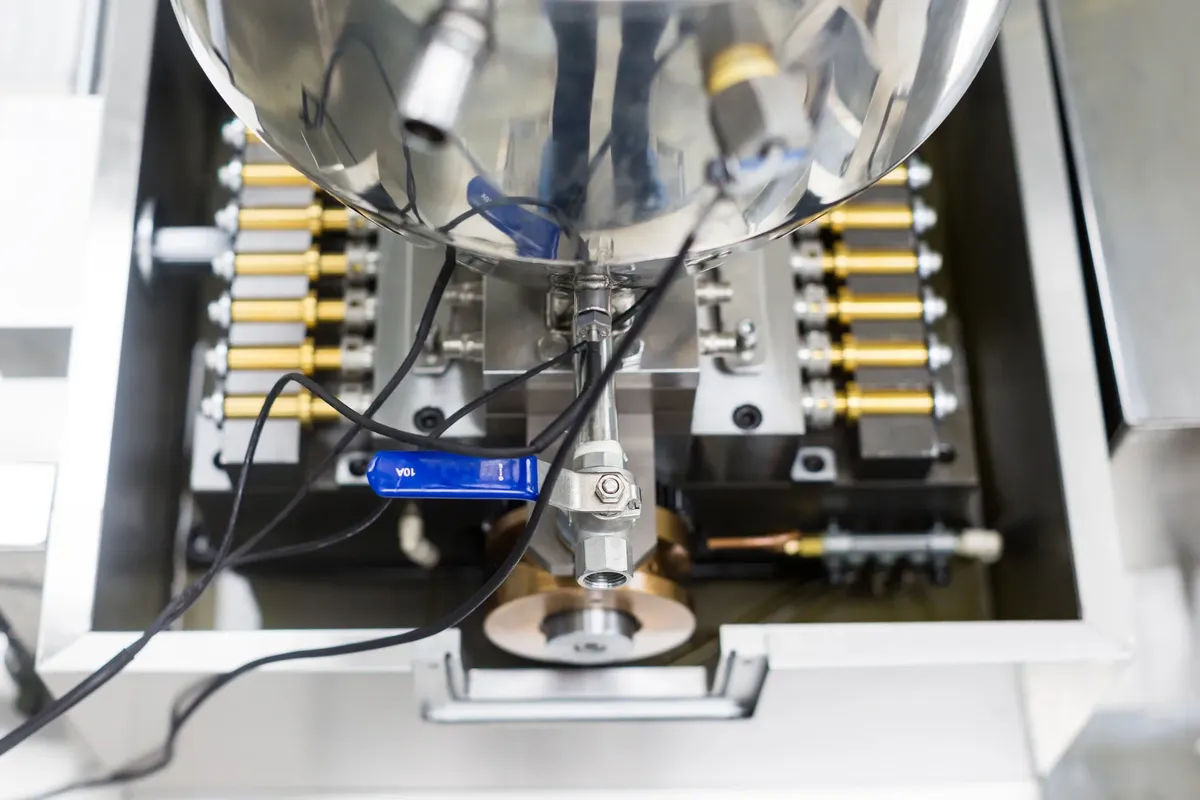
Addition-cure assembly adhesives
Use the copolymer as a reactive polymer component alongside an independently selected Si–H material and platinum-catalyst system. In addition-cure silicone assembly adhesives, coordinate reactive balance with dispensing, substrate-contact cure and the intended bonded joint.

Silicone base and curing-system formulation
Manufacturers can incorporate the polymer during base mixing and filler dispersion. Reactive silicone base and curing-component preparation connects total vinyl accounting with component grouping, storage stability and the working time of the mixed formulation.
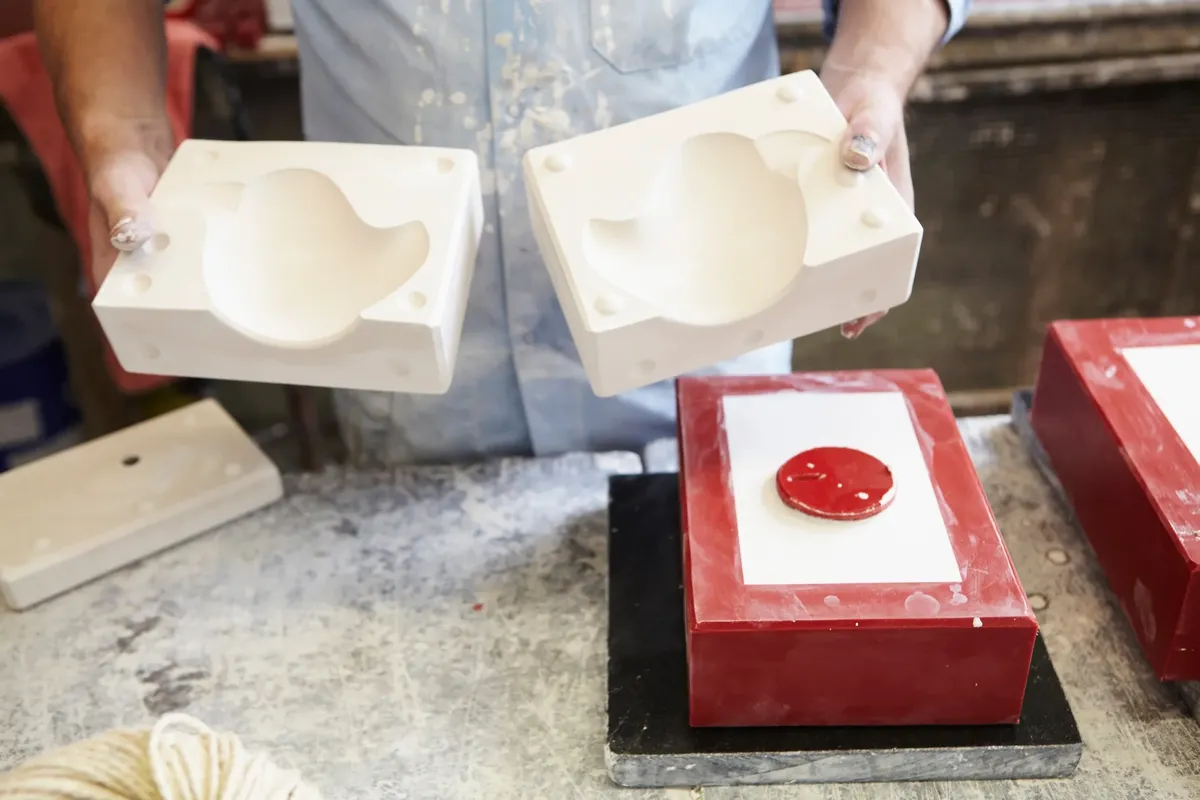
Addition-cure silicone molds
The terminal-and-pendant design offers a polymer comparison for a specifically formulated mold material. In addition-cure silicone mold making, relate rheology and reaction control to filling, de-airing, reproduction of undercuts and repeated casting with the actual resin.
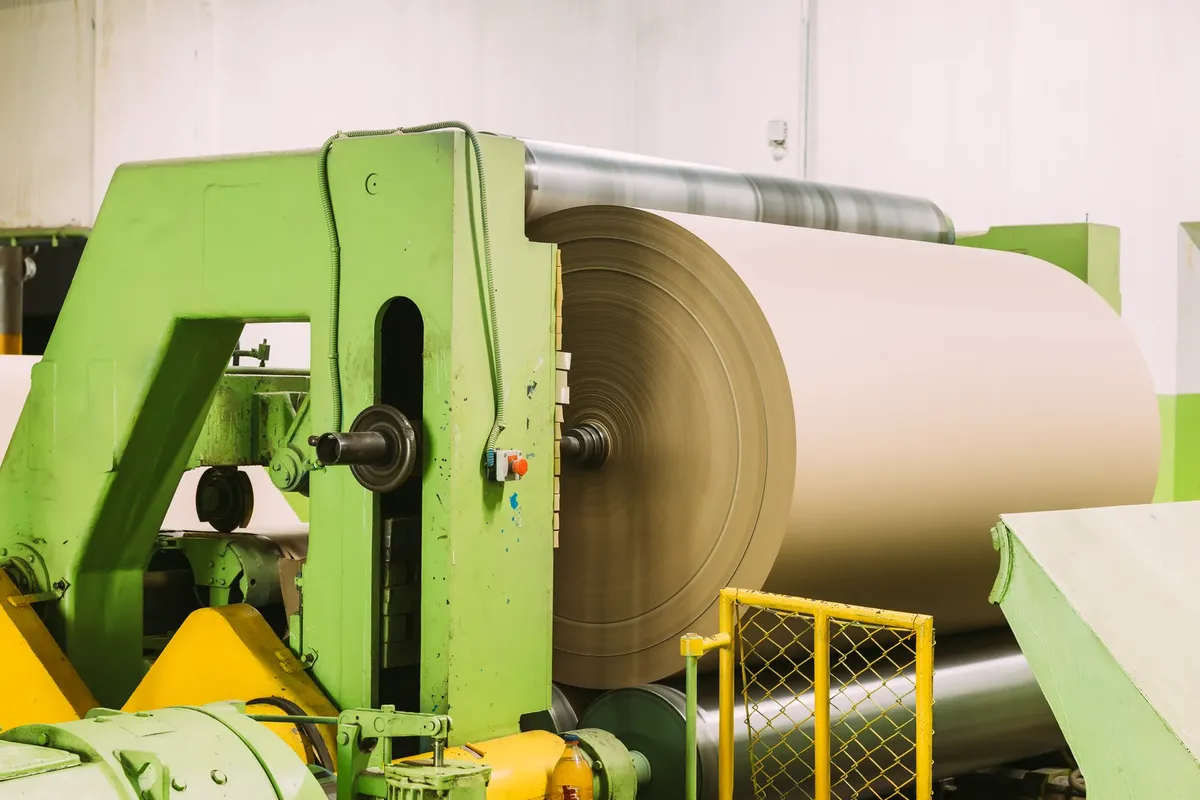
Paper and film release coatings
Coating formulators can investigate the copolymer as the vinyl-bearing polymer phase of an addition-cure release layer. For paper and film silicone release coatings, select the Si–H component, catalyst, inhibitor and any release-control resin around the substrate and required peel behavior.
How to Use Vinyl-Terminated Methylvinylsiloxane
Request terminal and pendant vinyl measurements, their analytical bases, total reactive equivalents, molecular distribution, viscosity and supplied composition. Include both vinyl populations in the formulation balance and confirm whether the reported assay accounts for both. Use the measured vinyl content, not the product name, to calculate reaction sites. Pendant substitution describes groups on the chain; it is not evidence of a branched siloxane backbone.
Match the measured total vinyl with the chosen Si–H partner's equivalents, functionality and distribution. Evaluate platinum catalyst, inhibitor, fillers and production-contact materials together. Compare mixing uniformity, stored-component viscosity, working time, cure profile and the mechanical response required by your product. Total vinyl content or viscosity cannot predict cure speed, crosslink density or finished hardness by itself.
For mold formulations, screen contact inhibition on the master and test dimensions, tear behavior and resin-contact aging. For release coatings, include coat uniformity, anchorage, extractables, peel at relevant speeds and the receiving adhesive's remaining tack. For assembly adhesives, test adhesion and conditioned joint strength in addition to bulk cure.
Select polymer-processing suitability from measured molecular distribution and whole-compound rheology. An injection formulation, a high-consistency compound and a pressure-sensitive adhesive each require their own matrix and processing window. Develop peroxide curing as its own formulation route with the appropriate initiator and process assessment. Any moisture-condensation project needs confirmed corresponding reactive groups and partners.
Guidelines for use
- Balance
- Calculate total vinyl (terminal plus pendant) against the Si–H content of the crosslinker.
- Cure control
- Select catalyst and inhibitor in trials; keep Si–H and catalyst apart until use.
These levels are starting points. Determine the optimum level and method in trials under your own conditions.
Packaging and Storage
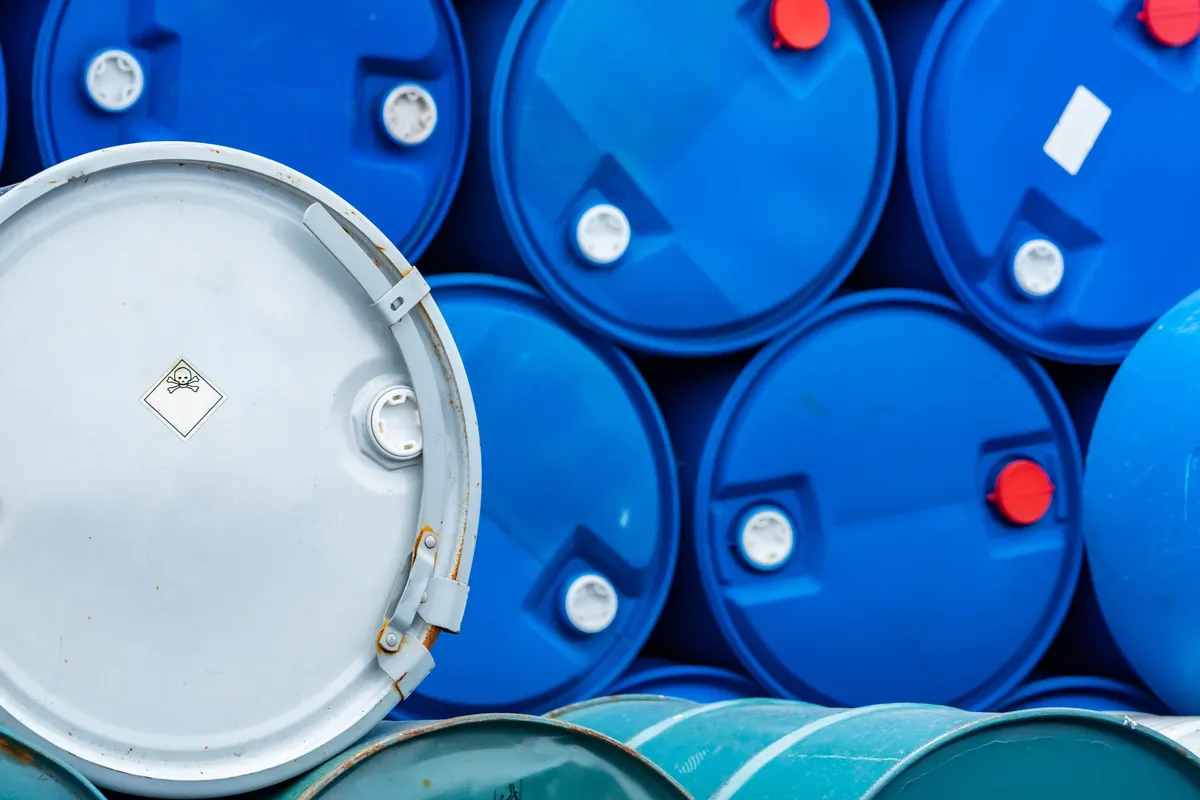
- Packaging: 25 kg plastic drum, 200 kg steel drum, 1,000 kg IBC. Other pack sizes on request.
- Storage: Store in tightly closed original containers in a cool, dry place. Shelf life is 12 months from the date of manufacture in unopened containers.
- Handling and safety: Contact with Si–H materials and platinum catalysts starts a cure; keep components separate until use. Spilled fluid makes floors very slippery; clean up immediately. Avoid contact with eyes. Read the Safety Data Sheet before use.
Frequently Asked Questions
How should terminal and pendant vinyl be counted in a silicone formulation?
Use a stated assay basis that accounts for both contributions to total reactive equivalents. Match that balance with measured Si–H data and retain the structural distribution information when comparing polymers.
How does DUVERA 7010-L differ from DUVERA 7020-L?
The end groups are vinyl for DUVERA 7010-L and trimethylsiloxy for DUVERA 7020-L. Both names include pendant methylvinyl units, so end-group identity is an additional formulation variable.
What should I test when using a vinyl copolymer in silicone molds?
Check master-contact inhibition, mixing, de-airing and cure first. Then assess detail reproduction, dimensional change, undercut tear and repeated demolding with the intended casting resin.

Samples, TDS and Technical Support
LANDUSIL supplies samples, current TDS and SDS, and reactive-polymer selection support. Please include:
- Adhesive, mold, release-coating or silicone-base formulation
- Required terminal, pendant and total vinyl data and Si–H partner
- Mixing, forming and cure process with target evaluation methods
- Expected quantity, packaging preference and destination country