

Coatings & Inks
Silicone Materials for Coil Coatings
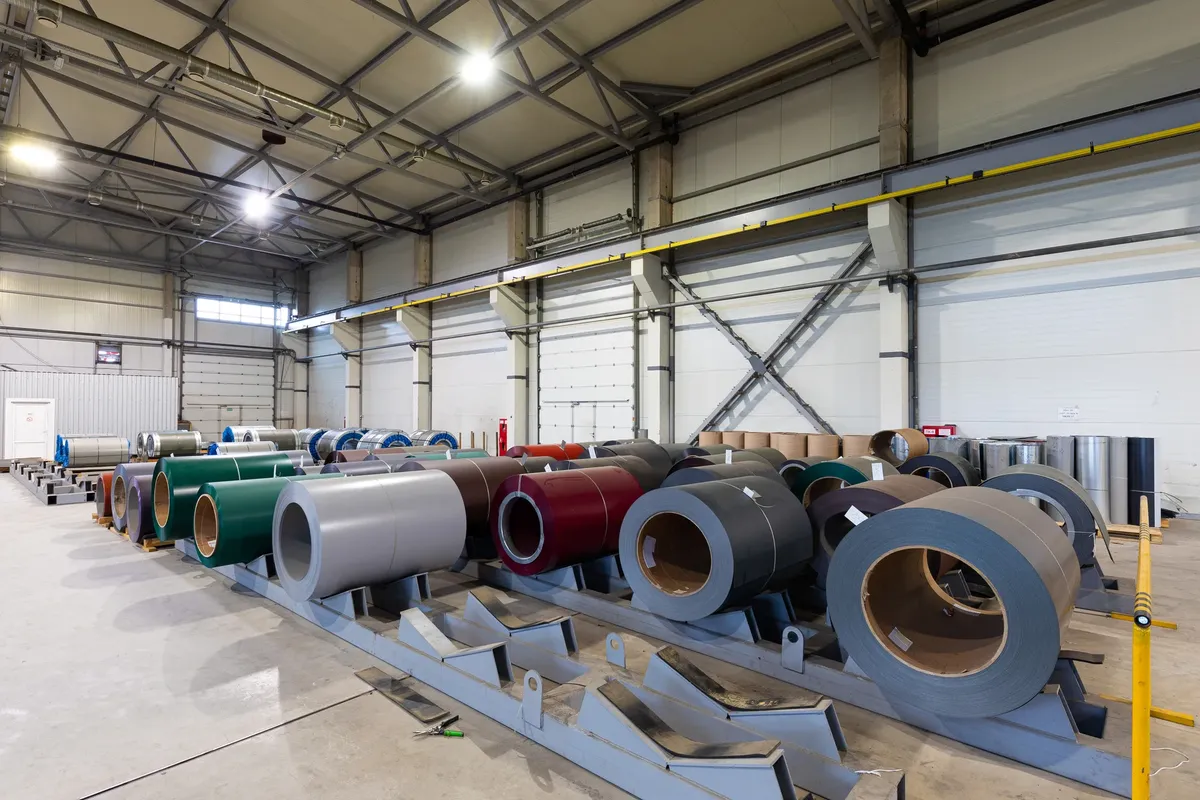
Silicone materials for coil coatings help you develop resin modification, surface contact and metal–coating interfaces for strip that will be formed after painting. The material choice needs to work through rapid baking, cooling, winding and fabrication as well as on the initial flat film.
LANDUSIL supplies phenyl silicone resin solution, functional resin intermediates, silicone fluid and epoxy silane for coil and precoated-metal formulation trials. Producers of appliance sheet, aluminum coil and industrial strip can select the chemistry around the line and the part it will become.
What Silicone Materials for Coil Coatings Do
- Offer a solution-resin route for compatible coil and precoated-metal formulations.
- Support modified-binder synthesis through a deliberately matched functional intermediate.
- Provide surface-contact options for friction, feel and appearance development.
- Support prepared-metal interfaces when silane chemistry fits the resin and treatment.
- Connect film properties to fabrication by keeping bends, winding contact and assembly in the trial plan.
Typical Uses
Precoated-metal task: Appliance sheet
What matters most
Color, gloss, cleaning exposure and postforming
Precoated-metal task: Aluminum coil or industrial strip
What matters most
Alloy, metallic coating, pretreatment and primer/topcoat stack
Precoated-metal task: Silicone-modified polyester development
What matters most
Functional partners, reaction route and final resin compatibility
Precoated-metal task: Matte or tactile precoated surface
What matters most
Dispersion, texture, roll contact and pressure marking
Precoated-metal task: Bent or stamped component
What matters most
Forming geometry, tool contact, film cracking and aged adhesion
Precoated-metal task: Back coat for later bonding
What matters most
Contact during winding and the actual adhesive or foam operation
Recommended LANDUSIL Products
| Product | Chemistry | CAS | Why choose it |
|---|---|---|---|
| LANDUSIL NOVERA 2050-L-PMA60 | Phenyl silicone resin in PMA | Mixture – see SDS | Solution-resin route with explicit coil and precoated-metal use direction |
| LANDUSIL NOVERA 2030-L | Hydroxyl-functional methyl phenyl silicone resin intermediate | Mixture – see SDS | Controlled resin-modification study using a verified hydroxyl reaction route |
| LANDUSIL NOVERA 2040-L | Methoxy-functional methyl phenyl silicone resin | Mixture – see SDS | Reactive or condensation route for a compatible modified binder |
| LANDUSIL DUVERA 2010-L | Alkyl-modified silicone fluid | Mixture – see SDS | Surface-fluid compatibility trials within the resin and wax package |
| LANDUSIL LEGRA 2010-L | 3-Glycidoxypropyltriethoxysilane | 2602-34-8 | Epoxy-functional interface option for the prepared metal and compatible binder |
How to Select a Coil-Coating Material
Solution resin or chemically modified binder
NOVERA 2050-L-PMA60 introduces phenyl silicone resin in a PMA carrier. Include its actual resin solids, carrier composition and evaporation behavior in the formulation balance. Connect solvent removal and cure to the measured metal-temperature history during the line's available exposure.
For a resin-synthesis route, NOVERA 2030-L provides a hydroxyl-functional intermediate, and NOVERA 2040-L provides methoxy functionality. Identify the actual reaction sites and organic partner, then define equivalents, reaction conditions and endpoint. Methoxy hydrolysis can release methanol, so include by-product management and storage response in the process.
A physical blend has its own development value. Assess phase uniformity through storage, solvent loss and bake, and describe the resulting material according to the process used. For controlled synthesis, continue with Silicone-Modified Polyester and Alkyd Resins.
Surface behavior and particles
DUVERA 2010-L offers an alkyl-modified fluid route for compatibility and contact-surface trials. Compare slip and feel alongside gloss, craters and later bonding. Record which coating face contacts the reverse side of the next wrap during winding.
For a matte or tactile particle route, match particle distribution to film thickness and the roll-coating process. Evaluate agglomerates, roughness, pressure marking and storage contact. Use the surface-additive topic below when the main task is appearance or feel.
Metal interface
LEGRA 2010-L carries a glycidyl epoxide and three ethoxy groups. Match the organic reaction partner to the coating binder and plan the hydrolysis/condensation route for the prepared metal. Hydrolysis releases ethanol.
Compare direct incorporation with a developed treatment or primer step according to line capability. Document water, carrier, working stability, drying and overcoat interval so the interface route fits the existing metal-preparation sequence.
Application and Evaluation Guidelines
Record alloy, temper, strip thickness and metallic coating, plus cleaning and pretreatment. Map primer, exposed finish and back coat by their actual jobs. Keep a representative strip and control formulation in the comparison.
Measure peak metal temperature, time history, residence and cooling alongside oven settings and line speed. Assess liquid stability and roll application, then cured color, gloss, film build and adhesion. Check cure response and residual carrier using methods suitable for the binder and finished construction.
Follow the coated strip through bending, drawing or stamping. Inspect formed areas for whitening, cracks, delamination and tool marks. Include cooling, winding and storage conditions when checking blocking, imprinting and transfer. Assess weathering, cleaning or moisture response on formed regions as well as flat film.
A phenyl resin solution is not automatically a silicone-modified polyester. PMA's carrier identity alone does not establish solvent removal or finished-paint VOC. T-bend and solvent-rub results each answer a defined question, so combine them with the actual forming, exposure and bonding requirements. Establish line suitability and exterior-life claims from the complete coating evidence; current TDS/SDS information guides handling and reaction precautions.
Frequently Asked Questions
Which silicone resin route can I evaluate for a coil coating?
A phenyl silicone resin solution offers a formulation route, while functional resin intermediates support controlled binder-modification work. Select by the desired resin role and verify the final coating through the line's thermal and fabrication sequence.
How do I develop a silicone-modified polyester binder?
Define both partners' functional groups, equivalent basis, reaction conditions and endpoint. Characterize the resulting resin and evaluate it in the complete coating, including storage, bake, forming and weathering.
What should I test when adding silicone fluid to precoated metal?
Compare surface feel and friction with craters, gloss, layer adhesion and bonding. Include winding contact, pressure marking and the actual forming operation after cooling.
Why is peak metal temperature useful in coil-coating trials?
It connects the coated strip's actual heat exposure to solvent removal and cure. Record its full time history beside line speed and oven settings to compare substrates and production conditions meaningfully.

Samples and Technical Support
LANDUSIL provides samples, TDS, SDS and material-selection support; please include:
- Metal, metallic coating, strip thickness and pretreatment
- Primer, finish and back-coat chemistry and target film build
- Line speed, measured metal temperature, cooling and winding
- Forming, bonding and service requirements
- Trial volume, packaging preference and destination country