

LEGRA · Amino & Nitrogen-Functional Silanes
LANDUSIL LEGRA 1101-L-MeOH42 Quaternary Ammonium Silane in Methanol
LANDUSIL LEGRA 1101-L-MeOH42 is a quaternary ammonium silane in methanol for controlled cationic surface-modification studies. The named active is dimethyloctadecyl[3-(trimethoxysilyl)propyl]ammonium chloride, CAS 27668-52-6, combining an octadecyl group, a positively charged nitrogen center and a trimethoxy silicon end.
LANDUSIL supplies this chemistry as a formulation for developers working on prepared inorganic surfaces and selected textile or nonwoven treatments. The methanol carrier, ionic functionality and moisture-reactive silicon groups need to be considered together when you design the treatment bath.
- CAS number
- 27668-52-6

Product Identity
| Item | Information |
|---|---|
| Product | LANDUSIL LEGRA 1101-L-MeOH42 |
| Named active | Dimethyloctadecyl[3-(trimethoxysilyl)propyl]ammonium chloride |
| Active CAS number | 27668-52-6 |
| Identified carrier | Methanol, CAS 67-56-1 |
| Organic functionality | Quaternary ammonium cation, chloride counterion and octadecyl group |
| Hydrolyzable functionality | Three methoxy groups on the named starting active |
| Chemical name | Dimethyloctadecyl[3-(trimethoxysilyl)propyl]ammonium chloride, 42 wt.% in methanol |
| CAS number | 27668-52-6 (active); 67-56-1 (methanol) |
| Molecular formula (active) | C₂₆H₅₈ClNO₃Si |
| Molecular weight (active) | 496.3 g/mol |
| Physical form | Liquid |
| Product family | Amino & Nitrogen-Functional Silanes |
Specifications
| Property | Value | Test method |
|---|---|---|
| Appearance | Clear, pale yellow to amber liquid | Visual |
| Active content | 41.0 – 43.0 wt.% | Titration |
Typical Properties
| Property | Typical value |
|---|---|
| Density, 20 °C | approx. 0.89 g/cm³ |
| Refractive index, 20 °C | approx. 1.389 |
| Flash point | approx. 34 °C |
Typical values are provided for reference only and are not to be construed as specifications. Please refer to the current Technical Data Sheet (TDS) and Certificate of Analysis (CoA) for the supplied grade.
Key Features of a Quaternary Ammonium Silane in Methanol
- Cationic organic functionality: provides a charged nitrogen-containing group for surface-modification development.
- Octadecyl substituent: introduces a long alkyl segment into the named active.
- Trimethoxy silicon end: supplies hydrolysis and condensation chemistry for suitable substrates.
- Methanol formulation: brings the carrier into treatment-bath and drying design.
- Quaternized nitrogen: has no N–H bond, distinguishing it from primary or secondary amino silanes.
Applications
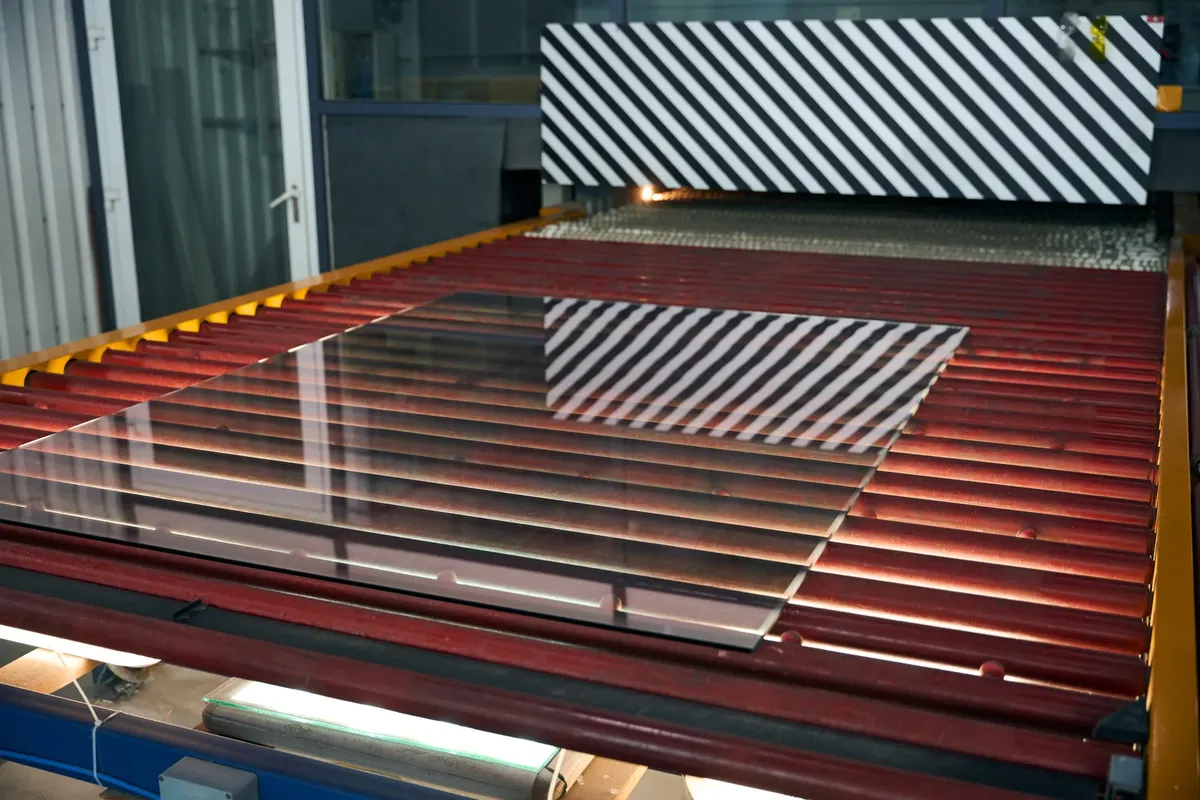
Prepared glass surfaces
Investigate a controlled treatment on suitably cleaned, hydroxyl-bearing glass. In Glass & Ceramic Decorative and Functional Coatings, surface modification is a separate ingredient role from the binder that forms a decorative or functional coating.

Ceramic surface functionalization
Screen the formulation on the actual ceramic composition and existing surface layer. The same Glass & Ceramic Decorative and Functional Coatings process context requires attention to cleaning history and compatibility with any later coating.

Textile and nonwoven treatment studies
Develop the bath around the chosen fiber, existing finish and application method. Quaternary-Silane Textile and Nonwoven Finishing involves the complete finishing package, including binders, dyes, surfactants and other auxiliaries.
How to Use
Calculate treatment input from the supplied-grade active-content assay and its reporting basis. Distinguish the formulation amount from the named active and from nonvolatile material. Obtain a composition statement rather than assuming that the remaining formulation is entirely methanol.
Establish dilution order, water quality, bath composition and the usable working window for your process. Methoxy hydrolysis can release additional methanol and generate silanol-containing species. Subsequent deposition and condensation depend on substrate preparation and drying.
Compare untreated, treated, dried and rinsed specimens. Follow bath stability, coating uniformity, surface properties and extractable material. On textiles, assess cationic–anionic compatibility together with fabric color, handle and residual solvent. Different fibers do not provide identical attachment opportunities.
Measure surface deposition, attachment, retention and the intended end-use function separately. A nitrogen signal alone does not establish covalent fixation or resistance to washing. Any antimicrobial, antiviral or user-protection claim requires its own evidence and applicable authorization for the actual finished system. This formulation contains quaternized nitrogen and should not be assigned the epoxy-hardener or NCO end-capping behavior of an amino silane.
Guidelines for use
- Application
- Apply as a dilute solution in water or alcohol to clean surfaces and dry; confirm concentration and cure in trials.
- Compliance
- Surface-treatment claims for end uses may need regional registration; check before use.
These levels are starting points. Determine the optimum level and method in trials under your own conditions.
Packaging and Storage
- Packaging: 25 kg plastic drum, 200 kg steel drum, 1,000 kg IBC. Other pack sizes on request.
- Storage: Store in tightly closed original containers in a cool, dry, well-ventilated place, protected from moisture, away from ignition sources. Blanket opened containers with dry nitrogen. Shelf life is 12 months from the date of manufacture in unopened containers.
- Handling and safety: Flammable liquid containing methanol, which is toxic by ingestion, inhalation and skin contact. Keep away from ignition sources, ground containers, use with ventilation and wear gloves and chemical goggles. Read the Safety Data Sheet before use.

Frequently Asked Questions
What is the supplied form of LEGRA 1101-L-MeOH42?
It is a methanol-carried formulation. Use supplied-grade composition and assay documentation when calculating treatment input.
Which nitrogen functionality is present in the named active?
The named active has quaternary ammonium nitrogen and a chloride counterion, rather than a primary or secondary amine.
How should a LEGRA 1101-L-MeOH42 bath be adapted for different fibers?
Fiber chemistry, previous finishes and auxiliary compatibility differ. Establish the bath and application process for the actual textile or nonwoven.
What does a surface nitrogen measurement reveal about treatment?
It can show nitrogen-containing material at the surface. Additional assessment is needed to distinguish retained treatment from extractable or unreacted material.

Samples, TDS and Technical Support
LANDUSIL provides samples, current TDS and SDS, and selection support. Please include:
- Substrate or fiber, existing surface layer and intended function
- Bath ingredients, application method and drying process
- Performance, rinsing and extraction requirements
- Estimated quantity, packaging preference and destination country