
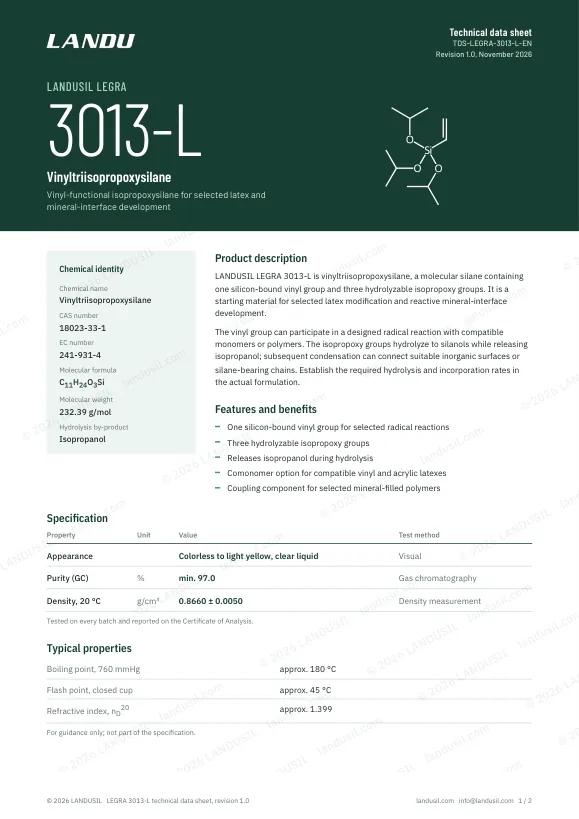
Technical Data Sheet
LANDUSIL LEGRA 3013-L
Specification limits, typical properties, guidelines for use, handling, storage and packaging in one document.
FamilyGrades

LEGRA · Vinyl / Allyl Silanes
LANDUSIL LEGRA 3013-L is vinyltriisopropoxysilane (VTIPS, CAS 18023-33-1), a reactive silane for compatible latex copolymers and mineral–polymer interfaces. Its vinyl group attaches directly to silicon, and three isopropoxy groups provide hydrolyzable sites for subsequent surface reaction and condensation.
For resin manufacturers, this structure offers a way to introduce silicon functionality during polymerization and develop the resulting film or adhesive interface. For compounders, it provides an isopropoxy route to selected filler treatments. Hydrolysis releases isopropanol.

| Item | Information |
|---|---|
| Product | LANDUSIL LEGRA 3013-L |
| Chemical name | Vinyltriisopropoxysilane |
| CAS number | 18023-33-1 |
| Molecular formula | C11H24O3Si |
| Molecular weight | 232.39 g/mol |
| EC number | 241-931-4 |
| Hydrolysis by-product | Isopropanol |
| Product family | Vinyl / Allyl Silanes |
| Property | Value | Test method |
|---|---|---|
| Appearance | Colorless to light yellow, clear liquid | Visual |
| Purity (GC) | min. 97.0 % | Gas chromatography |
| Density, 20 °C | 0.8660 ± 0.0050 g/cm³ | Density measurement |
| Property | Typical value |
|---|---|
| Boiling point, 760 mmHg | approx. 180 °C |
| Flash point, closed cup | approx. 45 °C |
| Refractive index, nD20 | approx. 1.399 |
Typical values are provided for reference only and are not to be construed as specifications. Please refer to the current Technical Data Sheet (TDS) and Certificate of Analysis (CoA) for the supplied grade.
Technical Data Sheet
Specification limits, typical properties, guidelines for use, handling, storage and packaging in one document.

Use LEGRA 3013-L as a comonomer in a polymerization process designed to incorporate its vinyl group. Silicone-modified acrylic and vinyl polymer manufacture includes compatible vinyl acetate and acrylic routes, with the polymer composition and addition sequence selected around the desired film behavior.
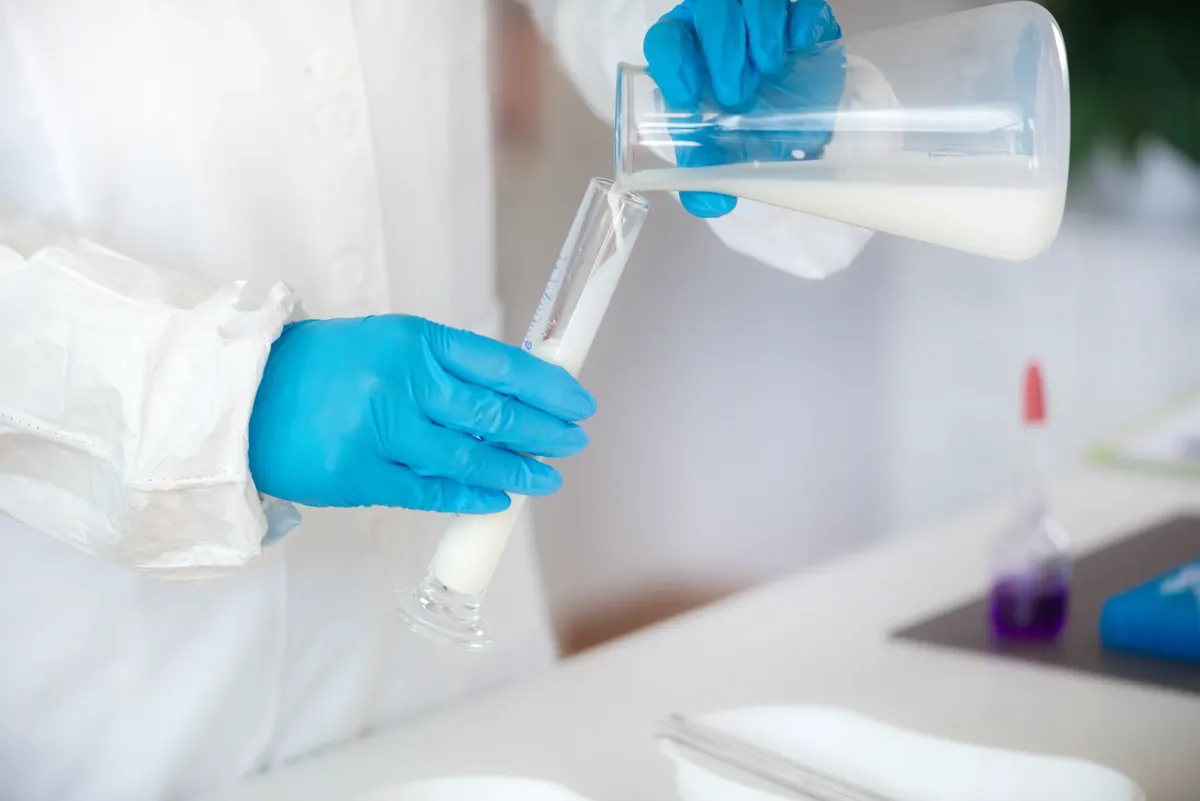
Silane-modified latexes can bring hydrolyzable functionality into a waterborne binder. In waterborne adhesive and emulsion modification, develop polymer incorporation and colloidal stability together, then assess the adhesive film on your actual substrate.

LEGRA 3013-L offers a treatment direction for hydroxyl-bearing flame-retardant fillers in suitable reactive polymers. ATH and MDH filler treatment should coordinate powder moisture, treatment coverage and drying with the receiving resin and compounding process.
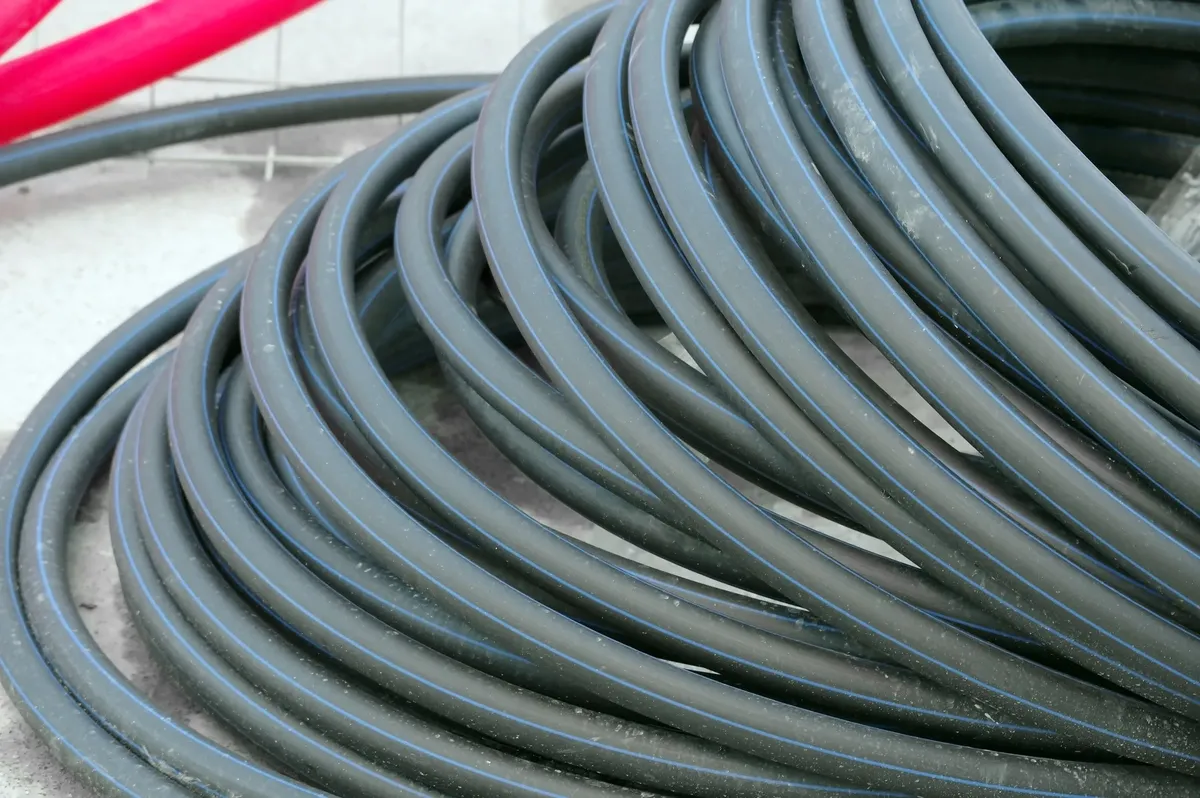
For EPDM and peroxide-cured elastomers, the molecule supplies both a mineral-reactive silane group and an organic vinyl site. Build the addition sequence around the selected filler and peroxide package, and compare the behavior of the complete compound.
Start by defining whether you will introduce the silane during polymerization, treat a filler, or add it during compounding. These routes need different controls. In copolymer manufacture, measure incorporation and residual monomer, follow particle stability, and assess the dried film after relevant conditioning. Post-addition to an existing latex requires its own compatibility study.
Control water, pH, solvent, catalyst and temperature when developing hydrolysis. Bulkier isopropoxy groups give a useful structural choice, but practical bath life and reaction rate come from your formulation. Follow remaining alkoxy groups and condensation as well as visual stability. Provide a removal route for generated isopropanol.
For filler applications, check dispersion, compound viscosity, cure and moisture-conditioned properties. Preserve the functional behavior of ATH or MDH by including thermal and finished-compound tests. EVA film studies with this molecule reported adhesion loss during extended damp heat; use relevant aging tests when developing a photovoltaic interface. Confirm PE grafting, cable or pipe performance in the actual process before selecting this grade for those uses.
These levels are starting points. Determine the optimum level and method in trials under your own production conditions.
It is used in developing compatible silicon-functional copolymers, latexes and selected mineral-filled polymer interfaces. Its vinyl and hydrolyzable groups support different stages of the process.
VTIPS carries three isopropoxy groups and releases isopropanol during hydrolysis. Vinyltrimethoxysilane carries methoxy groups and releases methanol. Compare activation and condensation in the intended process when choosing between them.
For a copolymer route, introduce it through a polymerization design that uses the vinyl group. Choose the addition sequence through incorporation, residual monomer and particle-stability trials.

Request LANDUSIL samples, current TDS and SDS, and support for your resin or filler-treatment project. Include: