
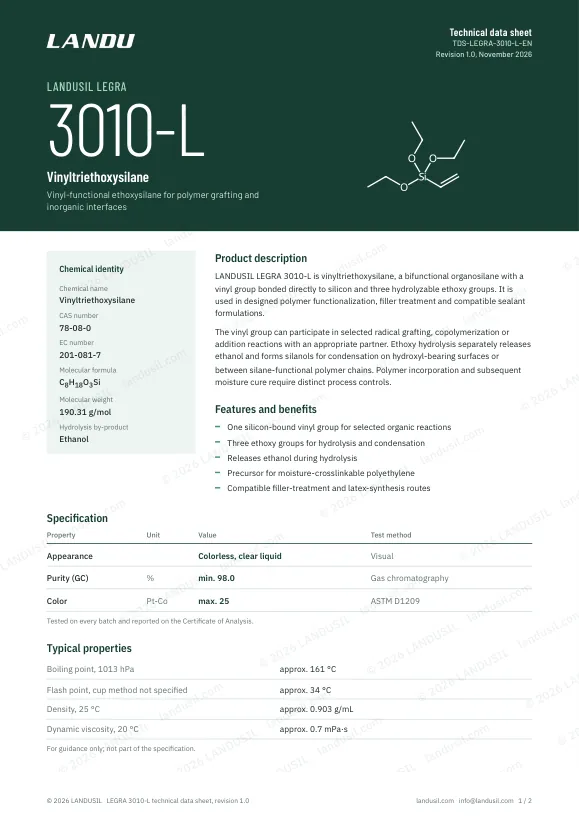
Technical Data Sheet
LANDUSIL LEGRA 3010-L
Specification limits, typical properties, guidelines for use, handling, storage and packaging in one document.
FamilyGrades

LEGRA · Vinyl / Allyl Silanes
LANDUSIL LEGRA 3010-L is vinyltriethoxysilane (VTES, CAS 78-08-0), a reactive silane for controlled polymer functionalization and suitable mineral interfaces. Its vinyl group is bonded directly to silicon, which also carries three hydrolyzable ethoxy groups.
For moisture-crosslinkable polyethylene, you first incorporate silane functionality and then use a separate water-driven curing stage. This gives cable and pipe formulators a defined development route alongside mineral treatment, polymer synthesis and selected sealant water-management work.

| Item | Information |
|---|---|
| Product | LANDUSIL LEGRA 3010-L |
| Chemical name | Vinyltriethoxysilane |
| Synonyms | VTES; triethoxyvinylsilane |
| CAS number | 78-08-0 |
| Molecular formula | C8H18O3Si |
| Molecular weight | 190.31 g/mol |
| Structure | CH2=CH–Si(OC2H5)3 |
| EC number | 201-081-7 |
| Hydrolysis by-product | Ethanol |
| Product family | Vinyl / Allyl Silanes |
| Property | Value | Test method |
|---|---|---|
| Appearance | Colorless, clear liquid | Visual |
| Purity (GC) | min. 98.0 % | Gas chromatography |
| Color | max. 25 Pt-Co | ASTM D1209 |
| Property | Typical value |
|---|---|
| Boiling point, 1013 hPa | approx. 161 °C |
| Flash point, cup method not specified | approx. 34 °C |
| Density, 25 °C | approx. 0.903 g/mL |
| Dynamic viscosity, 20 °C | approx. 0.7 mPa·s |
| Refractive index | n20/D 1.398 |
Typical values are provided for reference only and are not to be construed as specifications. Please refer to the current Technical Data Sheet (TDS) and Certificate of Analysis (CoA) for the supplied grade.
Technical Data Sheet
Specification limits, typical properties, guidelines for use, handling, storage and packaging in one document.
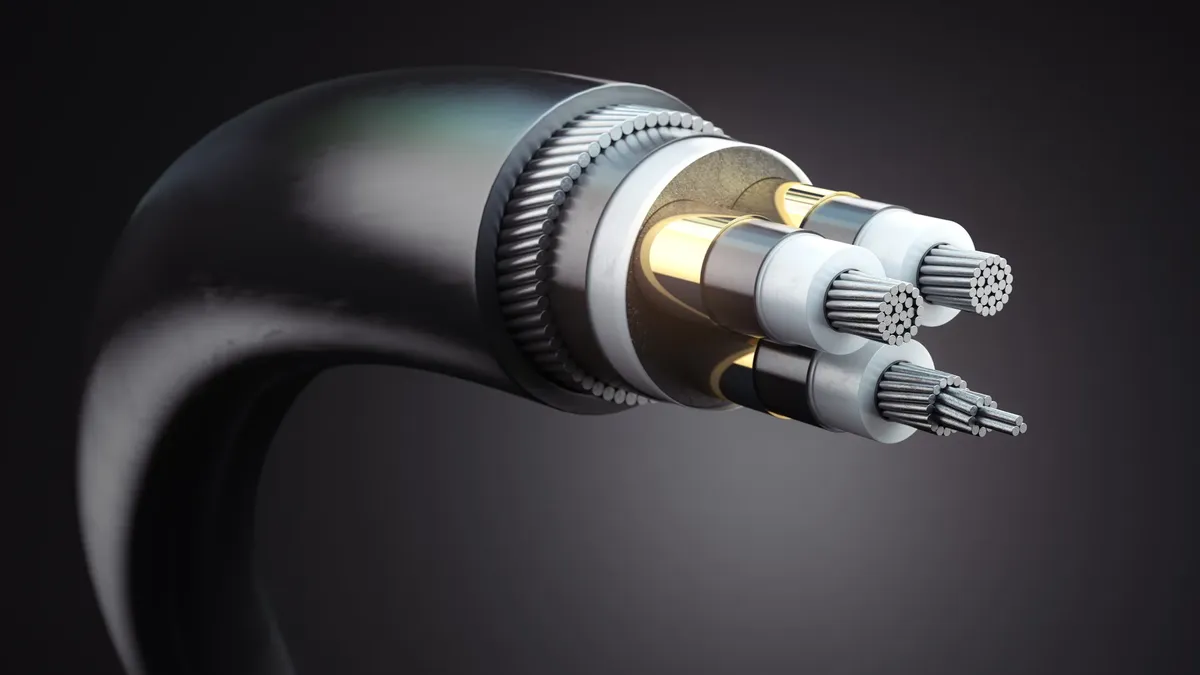
Use the silane in controlled radical grafting before the separate moisture-curing operation. In Silane-Grafted PE and XLPE Insulation, the polymer, peroxide, extrusion history and later catalyst system work together.
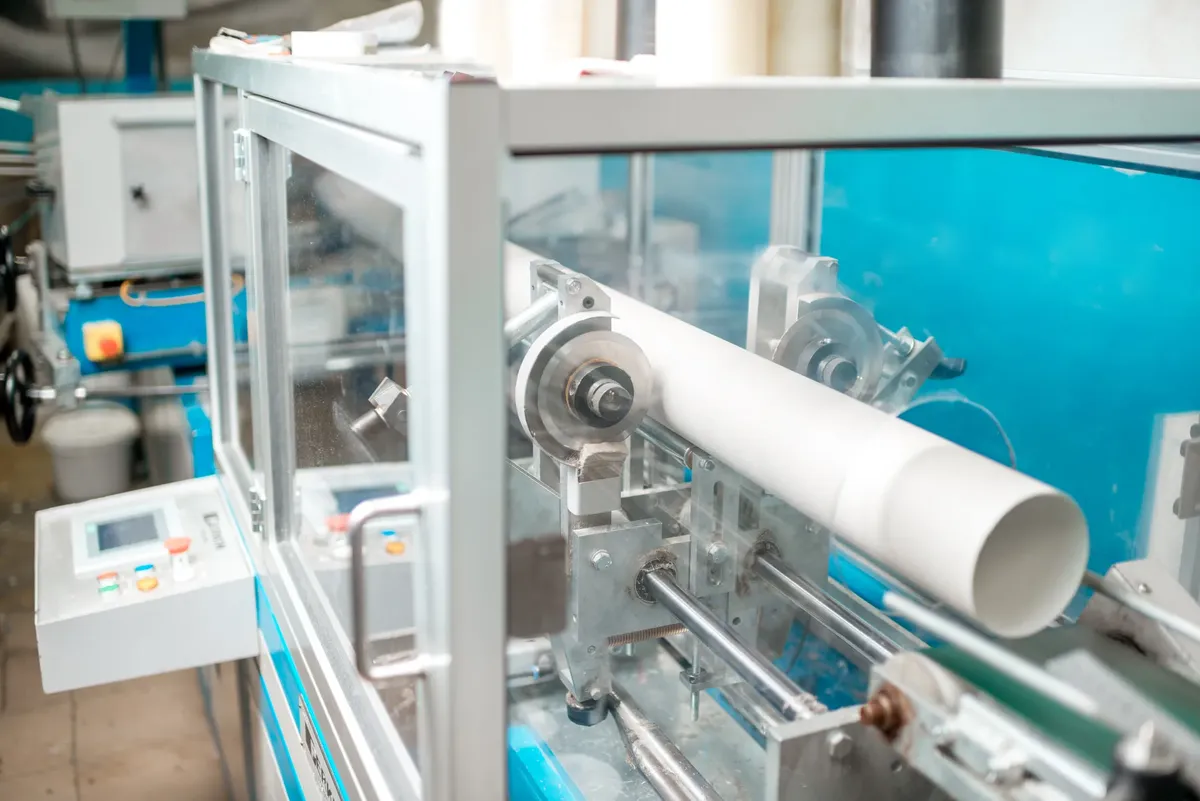
Introduce hydrolyzable silane functionality into polyethylene through a designed incorporation process. Construction Pipes & PE-Xb Systems connects grafting and shaping with moisture access through the actual pipe wall.

Explore suitable mineral treatment and vinyl reaction within a selected peroxide cure package. For EPDM and Peroxide-Cured Elastomers, the organic-side reaction and particle-surface treatment are distinct contributions.
Investigate the grade as a functional comonomer or grafting reagent during polymer synthesis. In Silicone-Modified Acrylic and Vinyl Polymers, confirm incorporation before developing the resulting binder for its final coating or adhesive use.

Consider the ethoxy reaction with water within a compatible moisture-cure adhesive package. One-Component Moisture-Cure Silicone Assembly Adhesives involves water consumption, ethanol formation and later silane condensation within the complete formulation.
For polyethylene grafting, choose initiator, addition point and mixing around the actual extrusion process. Measure incorporation, residual monomer and premature gel separately. Increased melt viscosity alone does not distinguish useful grafting from unwanted polymer crosslinking.
Evaluate later moisture cure using the selected catalyst, water access and article cross-section. Compare extrusion quality, volatile removal, gel content and the required mechanical or thermal response. Finished cable electrical behavior and pipe service requirements need their own article-level evidence.
For fillers, establish surface moisture, existing treatment and the available polymer reaction pathway. Compare pretreatment with direct compounding at matched filler loading. For dispersion synthesis, distinguish addition during polymerization from addition to an already prepared latex, and monitor particle stability and residual functionality. In sealants, the ethoxy groups provide the water-reactive sites; follow storage viscosity and subsequent condensation alongside water management. The starting vinyl silane does not turn an arbitrary polymer into a moisture-curing binder.
These levels are starting points. Determine the optimum level and method in trials under your own production conditions.

Grafting incorporates silane functionality into the polymer. Later hydrolysis and condensation develop the moisture-cured network.
The ethoxy groups hydrolyze and release ethanol. The vinyl group is a separate organic reaction site.
It is the reactive starting silane. A complete moisture-curing formulation needs its own catalyst and other ingredients.
A silicon-bound vinyl group differs from an acrylate or vinyl ether. Select the actual reaction partner and initiation conditions for the intended process.

LANDUSIL provides samples, current TDS and SDS, and technical selection support. Please include: