

LATERA · Phosphate Surface-Treatment Agents
LANDUSIL LATERA 4010-L Phosphate Surface-Treatment Agent
LANDUSIL LATERA 4010-L is a formulated phosphate surface-treatment agent for pigment wetting and mineral-interface development. Its intended role is to help you develop powder incorporation and distribution in a selected binder or polymer-processing system.
For inks, high-solids millbases and mineral concentrates, the useful trial connects the powder surface with the formulation's acid or salt chemistry, receiving resin and addition point. This gives formulators a practical way to compare treatment, processing, storage and final-material behavior together.
- CAS number
- Mixture – see SDS

Product Identity
| Item | Information |
|---|---|
| Product | LANDUSIL LATERA 4010-L |
| Product description | Phosphate surface-treatment agent |
| Material type | Formulated phosphate interface treatment |
| CAS number | Mixture – see SDS |
| Intended role | Pigment and mineral wetting and dispersion development |
| Chemical name | Phosphate ester surface-treatment agent |
| Physical form | Liquid |
| Product family | Phosphate Surface-Treatment Agents |
Specifications
| Property | Value | Test method |
|---|---|---|
| Appearance | Colourless to amber liquid | Visual |
| Non-volatile content | min. 98 % | 1 h / 125 °C |
Typical Properties
| Property | Typical value |
|---|---|
| Density, 20 °C | approx. 1.03 g/cm³ |
| Solvent content | None (solvent-free) |
Typical values are provided for reference only and are not to be construed as specifications. Please refer to the current Technical Data Sheet (TDS) and Certificate of Analysis (CoA) for the supplied grade.
Key Features of the Phosphate Surface-Treatment Agent
- Pigment-wetting focus: targets powder incorporation and distribution in a defined grinding binder and medium.
- Phosphate formulation option: offers a surface-treatment family to compare with the titanium-, aluminum- and zirconium-based routes in the range.
- Powder or formulation addition: supports evaluation of controlled pretreatment and compatible milling or compounding steps.
- Concentrate development: connects treatment loading and carrier mass to later dilution and finished-compound testing.
- Acid and salt assessment: makes composition, neutralization and analytical method useful inputs to the formulation screen.
Applications

Conventional pigment inks
For conventional printing inks, identify the pigment coating, grinding resin, medium and printing process. Compare treatment routes for powder incorporation, fineness, viscosity and color, then assess drying, rub resistance and the intended reprinting or lamination step.

High-solids coating millbases
In pigment concentrates and high-solids millbases, compare adding the treatment to a compatible binder before pigment incorporation with pretreating the powder. Fineness, rheology, floating, settling and redispersion connect the grinding result to let-down stability and coating cure.
Mineral-filled thermoplastics
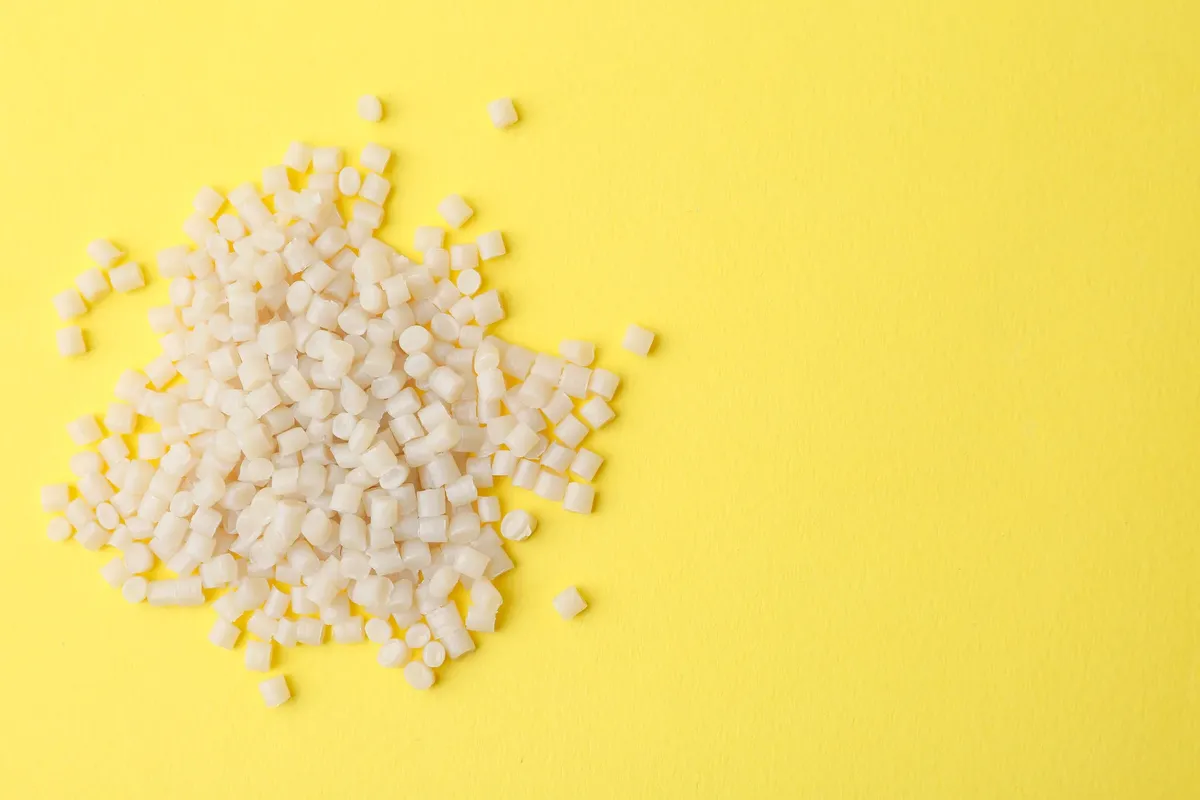
For mineral-filled thermoplastic compounds, select the actual mineral, polymer and stabilizer or lubricant package. Keep the filling level fixed while measuring dispersion, torque, melt pressure, volatile release and deposits, followed by the required mechanical and aging tests.
Mineral masterbatches and concentrates
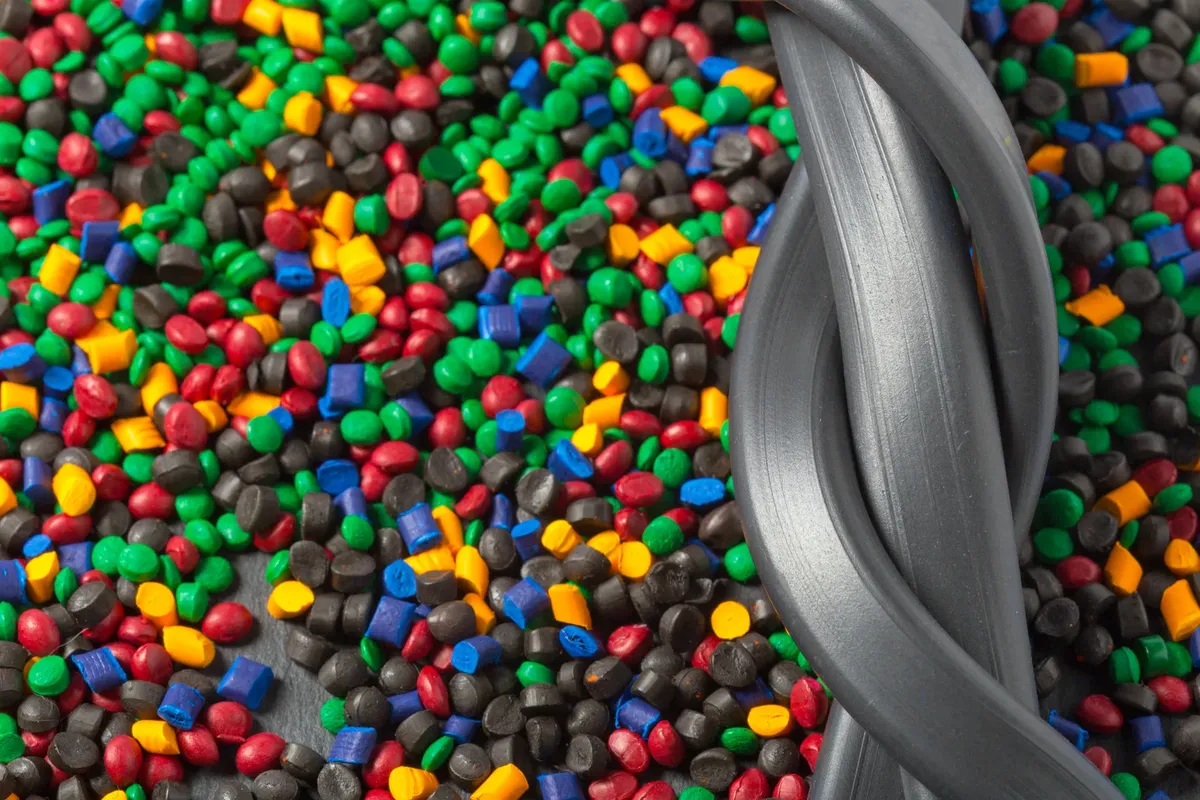
In high-loading mineral concentrates, define carrier, powder surface and downstream dilution before setting treatment levels. Check concentrate processing and pellet storage, then assess dispersion, migration and the final resin's properties after dilution.
How to Use
Confirm the supplied phosphate formulation's organic groups, ester distribution, acid or neutralized form, counterions, free acid, carrier and water. Obtain usable treatment content on a defined analytical basis. The family name does not establish a particular ethoxylated chain, reactive double bond or metal salt.
Request acid value with its titration endpoint, medium, method and reporting basis. Acid value does not directly measure free phosphoric acid, phosphorus content, active content or purity. A formulation's pH at a stated dilution is another measurement. Use these distinctions when setting composition controls and comparing incoming batches.
Compare powder pretreatment with compatible milling or compounding addition using fixed powder and binder conditions. Include the current treatment and carrier or neutralization controls where the composition permits. Check surface loading, removable residues, agglomeration and any local reaction with basic minerals, then measure storage and final properties.
Screen the actual cure package alongside dispersion. Follow working time, gel formation, conversion and viscosity during storage; reactive polyurethane also requires water and active-hydrogen checks. For waterborne routes, establish dispersion, pH, electrolyte compatibility and hydrolysis behavior. Treat wet pretreatment followed by drying and direct aqueous-product storage as distinct trials. Evaluate flame, electrical, thermal or corrosion requirements through the complete end-use system.
Guidelines for use
- Dosage
- Dose on pigment or filler surface area; start low and increase until the viscosity minimum.
- Addition
- Add to the millbase before the pigment.
These levels are starting points. Determine the optimum level and method in trials under your own conditions.
Packaging and Storage
- Packaging: 25 kg plastic drum, 200 kg steel drum, 1,000 kg IBC. Other pack sizes on request.
- Storage: Store in tightly closed original containers in a cool, dry place. Shelf life is 12 months from the date of manufacture in unopened containers.
- Handling and safety: Wear gloves and eye protection; avoid skin and eye contact. Phosphate esters are acidic; avoid skin and eye contact and check compatibility with acid-sensitive pigments. Read the Safety Data Sheet before use.

Frequently Asked Questions
How is a phosphate surface-treatment agent used in a millbase?
Compare controlled powder pretreatment with compatible addition in the grinding binder before powder incorporation. Use the actual pigment, medium and dispersant package, then assess let-down and cure.
What information should accompany an acid value?
Ask for the method, titration endpoint, medium and reporting basis. Also obtain the acid or salt form, free-acid information, water and usable treatment content needed for your formulation.
Which tests matter after pigment dispersion?
Check settling, redispersion and compatibility after let-down. Follow with the actual drying or cure process, film or print adhesion, and the exposure tests required by the finished product.

Samples, TDS and Technical Support
LANDUSIL offers samples, TDS, SDS and selection support for your process. Please include:
- Pigment or mineral surface, prior treatment, particle size and moisture
- Binder, medium, dispersants and actual promoter or cure package
- Proposed treatment or grinding step and target test methods
- Estimated quantity, packaging preference and destination country