

ANCORIS · Functional POSS
LANDUSIL ANCORIS 7050-L Methacryloxypropyl-Functional POSS
LANDUSIL ANCORIS 7050-L is a methacryloxypropyl-functional POSS formulation for developing compatible radical-cured resins and polymers. This methacrylate POSS offers a polymerizable organic route for bringing silsesquioxane functionality into coatings, acrylic adhesives and selected composite matrices.
Choose a radical-cure resin and define where the ingredient enters it. A coating premix, a UV adhesive and a polymerization feed each place different demands on dispersion and initiation. Match those demands with the supplied double-bond functionality and the conversion required in your actual process.
- CAS number
- Mixture – see SDS

Product Identity
| Item | Information |
|---|---|
| Product | LANDUSIL ANCORIS 7050-L |
| Chemical name | Methacryloxypropylisobutyl polyhedral oligomeric silsesquioxane |
| Material type | Methacrylate-functional silsesquioxane formulation |
| CAS number | See SDS |
| Functionality | Methacrylate |
| Physical form | Viscous liquid |
| Product family | Functional POSS – ANCORIS Silane Oligomers & Prehydrolysates |
Specifications
| Property | Value | Test method |
|---|---|---|
| Appearance | Hazy viscous liquid | Visual |
| Viscosity, 25 °C | 6,000 – 7,000 mPa·s | Rotational viscometer |
Typical Properties
| Property | Typical value |
|---|---|
| Refractive index, nD19 | approx. 1.460 |
| Soluble in | Ethers, ketones, alcohols, aliphatic resins |
| Insoluble in | Water, silicones |
Typical values are provided for reference only and are not to be construed as specifications. Please refer to the current Technical Data Sheet (TDS) and Certificate of Analysis (CoA) for the supplied grade.
Key Features of Methacryloxypropyl-Functional POSS
- Polymerizable methacrylate route: offers organic double bonds for a compatible radical initiation system.
- Hybrid network development: brings a functional silsesquioxane component into the selected resin design.
- Premix placement: supports controlled dispersion before the formulation receives its complete initiation package.
- Coating and adhesive options: enables trials organized around film or bond-line geometry and the available light path.
- Polymer-manufacturing input: provides a route to investigate incorporation during an appropriate acrylic or vinyl polymer synthesis.
Applications
Radical-cured functional coatings
Explore ANCORIS 7050-L in functional coating formulations and UV or radiation-cured coatings. Preblend in a compatible resin fraction and connect dispersion, double-bond conversion and the selected surface-property target.

Transparent plastic hardcoats
For plastic finishes and clear hardcoats, select the substrate, primer and radical-cure binder together. Compare haze, transmission, scratch response and flexibility through the complete coating and conditioning sequence.

UV acrylic assembly adhesives
Assess the grade in UV acrylic adhesives with the actual adherends and light path. Include mixing, air removal, adhesive thickness and the location of shaded regions when selecting the exposure process.
Polyester and vinyl ester composites
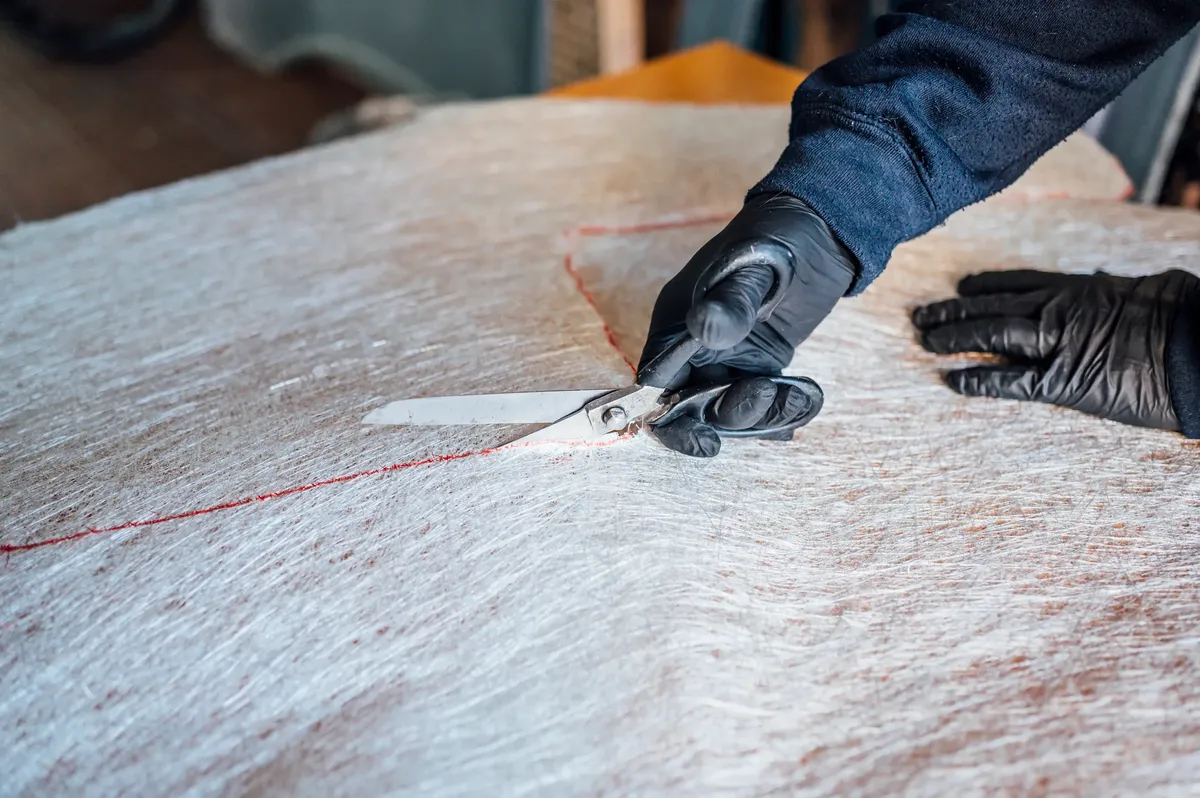
Explore a compatible resin-premix route for polyester or vinyl ester composites. Introduce the ingredient before the chosen initiation step and follow viscosity, reinforcement wetting, gel behavior and heat generation during molding.

Acrylic polymer manufacture
Investigate POSS copolymerization during silane-modified acrylic or vinyl polymer manufacture. Select solution or a deliberately designed aqueous polymerization route, then define monomer-phase dispersion, feed, initiation and heat removal around the actual functionality.
How to Use
Confirm composition, supplied form, carrier, inhibitor, double-bond assay and functional distribution from the current TDS and SDS. The POSS name does not establish a particular cage, a fixed number of methacrylate groups, molecular dispersion or accessible silicon groups for mineral anchoring. Use measured reactive content when comparing additions.
Keep methacrylate and acrylate identities distinct during cure design. Match initiator, spectrum, atmosphere, thickness and exposure to the complete resin. An epoxy acrylate offers polymerizable unsaturation; ordinary amine-cured epoxy needs an independently established incorporation route or a clearly defined physical-blend study.
Prepare a compatible premix and track storage, viscosity and aggregation. Measure double-bond conversion, gel formation and extractables, including differences between the surface and substrate side. For pigmented films and adhesive joints, evaluate the actual light shielding and through-cure alongside tack and appearance.
Compare suitable controls for shrinkage, defects, optical response and conditioned mechanical or adhesion properties. Composite resin addition and prior fiber grafting are different processes; evaluate the actual reinforcement sizing, voids and cure history. For polymer manufacture, distinguish feed-stage copolymerization from finished-latex addition and track conversion, molecular distribution, gel and dispersion storage.
Use the supplied inhibitor and headspace instructions for handling. Assess any aqueous dispersion, ordinary silicone-cure combination or mineral-surface treatment through its own chemistry and process. Define application loading and cure conditions from the complete formulation trial.
Guidelines for use
- Incorporation
- Blend into acrylic monomers or oligomers; check clarity, then add initiator.
- Cure
- Cure with free-radical initiator or UV photoinitiator.
These levels are starting points. Determine the optimum level and method in trials under your own conditions.
Packaging and Storage
- Packaging: 25 kg plastic drum, 200 kg steel drum, 1,000 kg IBC. Other pack sizes on request.
- Storage: Store in tightly closed original containers in a cool, dry place away from direct sunlight. Shelf life is 12 months from the date of manufacture in unopened containers.
- Handling and safety: Avoid dust and skin contact; wear gloves and eye protection. Handle in a well-ventilated area. Read the Safety Data Sheet before use.

Frequently Asked Questions
What is methacryloxypropyl-functional POSS used for?
It is an ingredient for developing compatible radical-cured coatings, adhesives and polymers. Choose the role around the supplied double-bond functionality, dispersion and initiation process.
How is methacrylate POSS different from epoxy POSS?
Methacrylate provides a polymerizable double-bond route. Epoxy POSS requires a suitable epoxide reaction partner or initiation scheme, so the formulation and cure assessment differ.
What should I test in a clear hardcoat?
Compare conversion, haze, transmission, defects, scratch response and flexibility. Include adhesion and the plastic substrate's solvent and thermal limits in the evaluation.
When should POSS enter acrylic polymer manufacture?
Evaluate an appropriate synthesis feed after establishing monomer-phase compatibility and reactive content. Measure incorporation, gel and storage in the resulting polymer or dispersion.

Samples, TDS and Technical Support
LANDUSIL provides ANCORIS 7050-L samples, TDS, SDS and formulation selection support. Please include:
- Resin, monomers or adhesive and the intended substrate
- Initiation package, premix or feed stage and light or thermal process
- Thickness, conversion, optical and conditioned-performance targets
- Estimated quantity, packaging preference and destination country