

Photovoltaics
Silanes for Anti-Soiling PV Glass
A transparent surface treatment can change how water and particles interact with solar glass. Silanes for anti-soiling PV glass offer alkyl-functional chemistry for developing this surface response, helping formulators investigate easier particle release while preserving the glass's optical function.
LANDUSIL supplies methyl, propyl and longer-chain alkyl silanes, plus a defined silylation reagent for controlled surface processes. Select the chemistry around the actual glass or antireflective layer, contaminant and cleaning method. The aim is a uniform surface with useful cleaning behavior under the conditions you intend to reproduce.

What Silanes for Anti-Soiling PV Glass Do
- Modify surface water interactions. Alkyl groups offer a route to a lower-energy surface after suitable deposition and reaction.
- Provide structural choices. Methyl, straight-chain and branched alkyl groups give different options for surface organization and compatibility.
- Support hybrid-layer design. Methyl trialkoxysilanes can introduce organic units within a controlled silica-based network.
- Enable controlled silylation. HMDS provides a route to trimethylsilyl modification of suitable hydroxyl-bearing surfaces.
- Focus formulation development. Comparing wetting, particle adhesion and optical response helps identify the treatment that fits your cleaning task.
Typical Uses
End use or process: Modification of an existing AR coating
What matters most
Coating composition, porosity, treatment history and optical-stack compatibility
End use or process: Factory-applied easy-clean treatment
What matters most
Liquid stability, spreading, reaction conditions and sheet-wide coverage
End use or process: Dust exposure in dry environments
What matters most
Representative particles, deposition history and removal under available cleaning action
End use or process: Water-assisted particle removal
What matters most
Drop movement, pinning, water quality and retained contamination
End use or process: Repeated cleaning and abrasion
What matters most
Surface-function retention, scratches, coating removal and optical change
Recommended LANDUSIL Products
| Product | Chemistry | CAS | Why choose it |
|---|---|---|---|
| LANDUSIL LEGRA 5010-L | Methyltriethoxysilane | 2031-67-6 | Methyl-bearing ethoxy co-precursor for a controlled transparent hybrid layer |
| LANDUSIL LEGRA 5011-L | Methyltrimethoxysilane | 1185-55-3 | Methyl/methoxy route for comparing network modification and surface response |
| LANDUSIL LEGRA 5031-L | n-Propyltrimethoxysilane | 1067-25-0 | Propyl-functional comparison for deposited coverage, particle interaction and cleaning studies |
| LANDUSIL LEGRA 5050-L | n-Octyltriethoxysilane | 2943-75-1 | Longer alkyl structure for low-surface-energy treatment development |
| LANDUSIL UNARA 3010-L | Hexamethyldisilazane, HMDS | 999-97-3 | Silylation reagent for a controlled hydroxyl-surface treatment process |
How to Select a PV Glass Surface Treatment
Choose surface modification or a hybrid network
Define whether you intend to modify the exposed glass/coating surface or build a silica-based hybrid layer. For a hybrid route, the inorganic precursor, organic co-precursor and preparation history jointly determine network development and the exposed surface.
Compare chain length and branching within the chosen deposition process. Include solubility, spreading, coverage and residue in the comparison. For longer alkyl chains, examine ordering, aggregation and possible optical defects alongside the intended surface response.
Match the hydrolyzable groups to preparation
Ethoxy grades such as LEGRA 5010-L and LEGRA 5050-L release ethanol during hydrolysis. Methoxy grades such as LEGRA 5011-L and LEGRA 5031-L release methanol. Consider moisture, solvent, reaction progression and prepared-liquid storage when selecting the route.
For factory application, follow the liquid from preparation through the coating equipment. Record how its age and handling affect deposited uniformity, drying and the surface formed across a representative glass area.
Use HMDS in a defined silylation process
HMDS is a disilazane that can modify suitable hydroxyl-bearing surfaces with trimethylsilyl groups. Design this process around moisture control, surface reaction, residue management and ammonia release. Its chemistry differs from an alkyltrialkoxysilane preparation.
Identify whether the substrate and equipment suit the intended silylation route. Keep reagent handling and reaction controls aligned with the SDS and the actual application method.
Application and Evaluation Guidelines
Start with untreated glass or untreated AR-coated glass as the matched control. Identify coating composition, porosity, texture and preparation history. Measure transmission, reflection and haze before treatment, after treatment, after soiling and after cleaning. This sequence distinguishes deposition from removal of an existing contaminant.
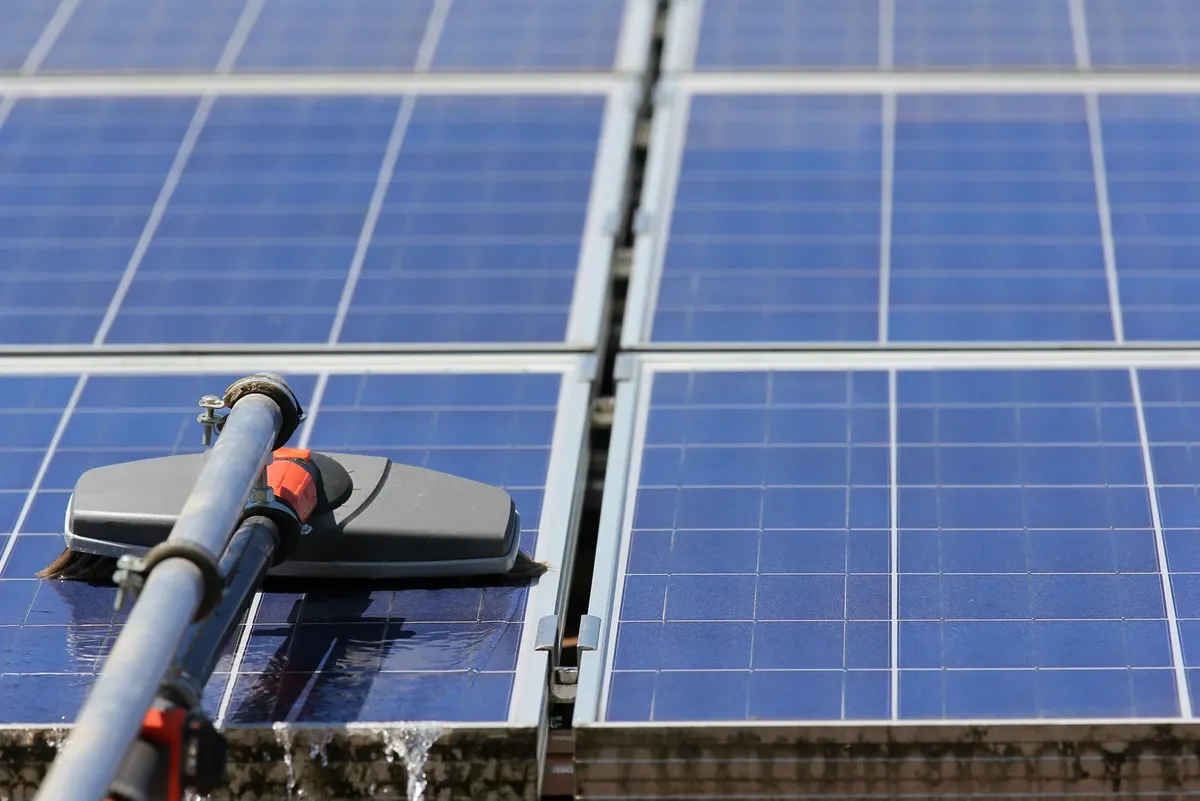
Use the intended dust or a justified representative material. Control deposition, conditioning and cleaning so comparisons reflect the surface change. Assess drop mobility, pinning or contact-angle hysteresis alongside particle adhesion and retained residue. In a mainly dry environment, reproduce the available cleaning action and relevant humidity history.
Repeat surface and optical measurements after dry brushing, water spraying or the selected wet-cleaning process. Examine coating damage and scratches, and distinguish remaining dirt from chemical change or layer removal. Include relevant humidity and UV exposure in durability studies.
A high static contact angle does not establish low dust accumulation, cleaning savings or energy output. Longer alkyl chains alone do not establish a better surface. Verify these outcomes in the intended construction and environment, and evaluate the combined optical stack when treating an existing AR layer. HMDS is a process reagent, not a finished easy-clean coating.
Frequently Asked Questions
Which alkyl silane should I compare for solar glass treatment?
Start with structures that fit your deposition route, such as methyl, propyl and octyl silanes. Compare coverage, optical change, water behavior and particle removal on the actual glass or AR coating before narrowing the selection.
How is an anti-soiling treatment different from an AR coating?
An AR layer controls reflection through its optical structure. An anti-soiling treatment addresses contamination and cleaning behavior. A combined design needs measurements of both surface response and the full optical stack.
What should be measured besides water contact angle?
Measure drop mobility or hysteresis, representative particle adhesion, residue after cleaning and optical transmission. Repeat the relevant measurements after cleaning wear and environmental conditioning.
How should cleaning durability be tested?
Use the intended brush, spray or wet-cleaning method with representative contaminants and water conditions. Track surface behavior and optics after cleaning, and inspect for scratches or removal of the treated layer.
Samples and Technical Support
LANDUSIL provides samples, TDS, SDS and selection support for PV glass surface development. Please include:
- Glass texture, existing AR coating and preparation history
- Contaminant, deposition conditions and observed cleaning problem
- Application equipment, carrier and permitted reaction conditions
- Cleaning method, water conditions, optical and durability targets
- Estimated quantity, packaging preference and destination country