
Technical Data Sheet
LANDUSIL LEGRA 5010-L
Specification limits, typical properties, guidelines for use, handling, storage and packaging in one document.
FamilyGrades

LEGRA · Alkyl Silanes
LANDUSIL LEGRA 5010-L is methyltriethoxysilane (MTES, CAS 2031-67-6), an organosilicon building block for hydrophobic mineral interfaces and methyl-functional sol-gel materials. It combines one small methyl group with three hydrolyzable ethoxy groups.
The methyl group adjusts surface energy, while hydrolysis and condensation provide a route to surface attachment and siloxane network formation. Use MTES for developing mineral treatments, silica sols, hybrid films and suitable glass coatings. Its ethoxy groups release ethanol during hydrolysis.

| Item | Information |
|---|---|
| Product | LANDUSIL LEGRA 5010-L |
| Chemical name | Methyltriethoxysilane |
| CAS number | 2031-67-6 |
| Molecular formula | C7H18O3Si |
| Molecular weight | 178.30 g/mol |
| EC number | 217-983-9 |
| Structure | CH3Si(OC2H5)3 |
| Hydrolysis by-product | Ethanol |
| Product family | Alkyl Silanes |
| Property | Value | Test method |
|---|---|---|
| Appearance | Colorless clear liquid | Visual |
| Purity (GC) | min. 98.0 % | Gas chromatography |
| Property | Typical value |
|---|---|
| Boiling point, 760 mmHg | approx. 142 °C |
| Flash point, method not specified | approx. 23 °C |
| Refractive index, nD20 | approx. 1.3832 |
| Density | 0.895 g/mL (25 °C) |
Typical values are provided for reference only and are not to be construed as specifications. Please refer to the current Technical Data Sheet (TDS) and Certificate of Analysis (CoA) for the supplied grade.
Technical Data Sheet
Specification limits, typical properties, guidelines for use, handling, storage and packaging in one document.

MTES provides a methyl-functional route to hydrophobic treatment of appropriately prepared mineral surfaces. For masonry and natural stone protection, select solvent, hydrolysis conditions and application method around the stone's porosity and appearance requirements.
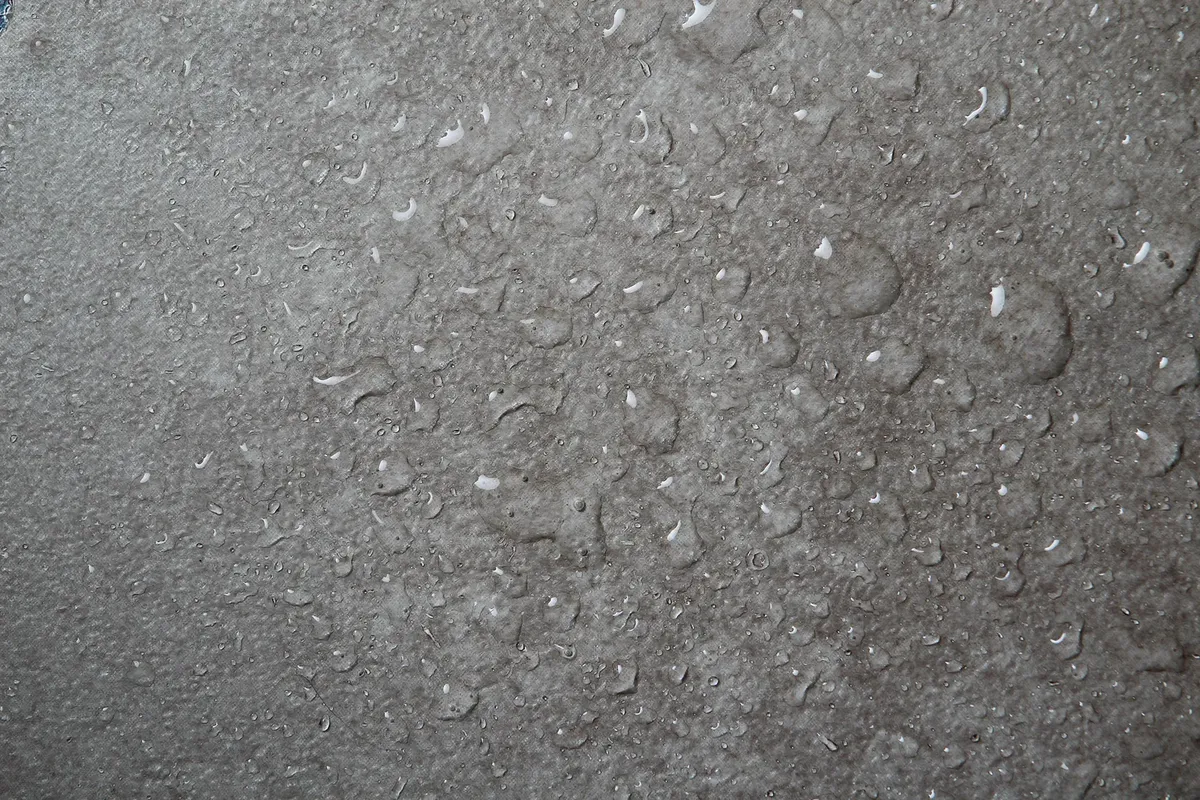
Use the silane in development of a defined surface treatment that reacts within accessible mineral pores. In concrete protection, connect uptake and reaction conditions with water absorption, vapor transport and the final surface appearance.
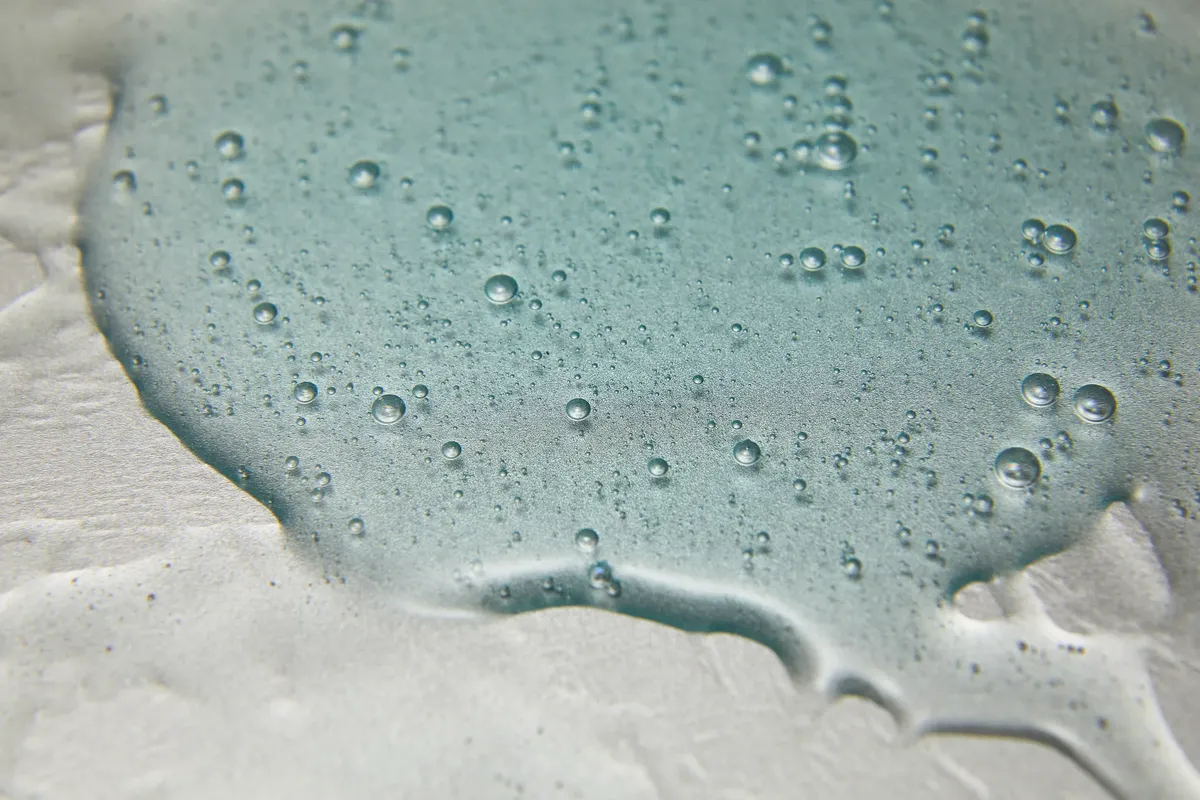
LEGRA 5010-L serves as an organosilicon precursor in controlled cohydrolysis and condensation. Sol-gel silica sol and particle synthesis lets you study how methyl content, water and catalyst choice affect network formation, particles and subsequent film development.

MTES can be combined with suitable silica precursors in a complete glass-coating formulation. For PV glass antireflective sol-gel coatings, coordinate organic content, porosity, coating thickness and thermal treatment with the required optical properties.
For a mineral surface treatment, start with clean, absorbent specimens representing the actual substrate. Record moisture, application method and absorbed quantity. Develop concentration, carrier and reaction conditions together, then compare water uptake, vapor transmission, color and staining after appropriate wet/dry conditioning. Include crack and joint repair in the overall protection process where needed.
For sol-gel manufacture, define the other precursors and the intended film or particle structure. Control water addition, pH, solvent and temperature, and track ethanol evolution, gel development, residual alkoxy groups, viscosity and particle formation. Follow the resulting material through drying or thermal processing, including film cracking and adhesion.
Glass-coating evaluation should measure transmission, haze, refractive behavior, abrasion and aged adhesion. Hydrophobicity and antireflection address different film properties; measure both when your design requires them. For powder treatment, assess coverage, agglomeration and flow in the intended binder. The methyl group principally adjusts surface energy; choose a functional silane when your resin needs a specific amino, epoxy or polymerizable reaction site.
Set dosage, bath life and finished-product performance through trials. Use current grade documentation for supply specifications and handling conditions, and assess the complete formulation for any optical, construction or outdoor qualification.
These levels are starting points. Determine the optimum level and method in trials under your own production conditions.

MTES is used in mineral hydrophobization and as a methyl-functional precursor for silica sols, particles and hybrid films. It brings together surface-energy adjustment and hydrolyzable silicon chemistry.
MTES carries ethoxy groups and releases ethanol during hydrolysis. MTMS carries methoxy groups and releases methanol. Their activation, condensation and volatile-management needs should be compared in the intended process.
Choose the other precursors, catalyst and drying route around the required film structure. Follow reaction stability and measure optics, abrasion, adhesion and aging on your actual glass.

LANDUSIL provides samples, current TDS and SDS, and precursor-selection support. Please include: