

ANCORIS · Alkyl Oligomers
LANDUSIL ANCORIS 5010-L Octyl Silane Oligomer
LANDUSIL ANCORIS 5010-L is an octyl silane oligomer described as a solvent-based silane/siloxane system for mineral water-repellent formulation. The octyl-functional chemistry provides a hydrophobic route for developing surface impregnations on concrete, masonry and other suitable porous mineral materials.
Use the grade as a mineral impregnation ingredient selected around your substrate and carrier requirements. An octyl siloxane treatment must reach the pore structure that takes up rainwater, so surface preparation, absorption and application direction are central formulation decisions.
- CAS number
- See SDS

Product Identity
| Item | Information |
|---|---|
| Product | LANDUSIL ANCORIS 5010-L |
| Chemical name | Octylalkoxysilane/siloxane oligomer in alcohol |
| Material type | Alkyl-functional polymeric system |
| CAS number | Mixture – see SDS |
| Active ingredient | Alkylalkoxysilane / siloxane |
| Physical form | Liquid |
| Product family | Alkyl Oligomers – ANCORIS Silane Oligomers & Prehydrolysates |
Specifications
| Property | Value | Test method |
|---|---|---|
| Appearance | Free-flowing, colourless liquid | Visual |
| Active content | min. 40 % | Gravimetric |
Typical Properties
| Property | Typical value |
|---|---|
| Solvent | Alcohol |
| Odour | Alcoholic |
Typical values are provided for reference only and are not to be construed as specifications. Please refer to the current Technical Data Sheet (TDS) and Certificate of Analysis (CoA) for the supplied grade.
Key Features of the Octyl Silane Oligomer
- Hydrophobic alkyl chemistry: supplies an octyl-functional route for developing water-repellent mineral treatments.
- Oligomer formulation option: offers a silane/siloxane starting point to compare with a defined octyl silane monomer.
- Solvent-based development: fits formulation work organized around a compatible carrier and mineral-surface wetting.
- Porous-substrate focus: directs selection toward capillary uptake, absorption and the treated surface zone.
- Concentrate ingredient: supports development of compatible mineral water-repellent blends with a defined application method.
Applications
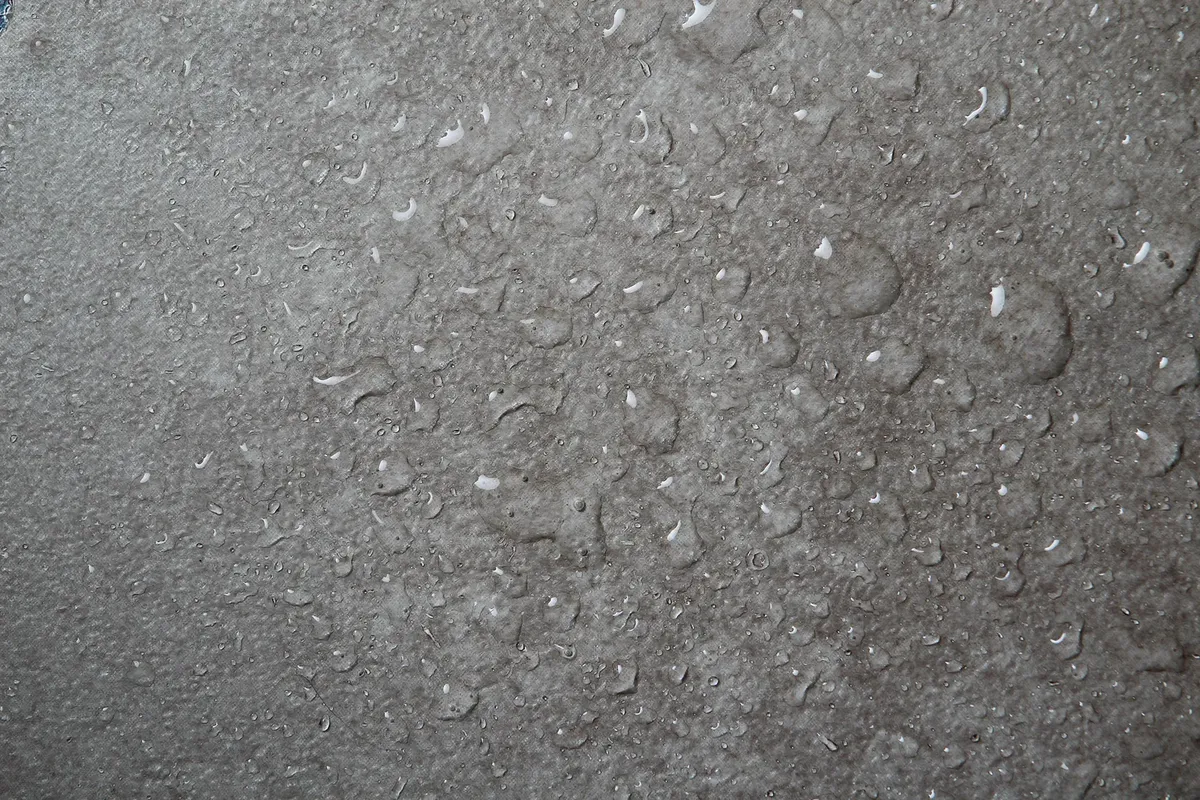
Concrete surface treatment
Explore the grade in concrete surface treatment formulations applied after curing and cleaning. Match application passes and contact with the surface to the concrete's absorption and the orientation of the treated area.
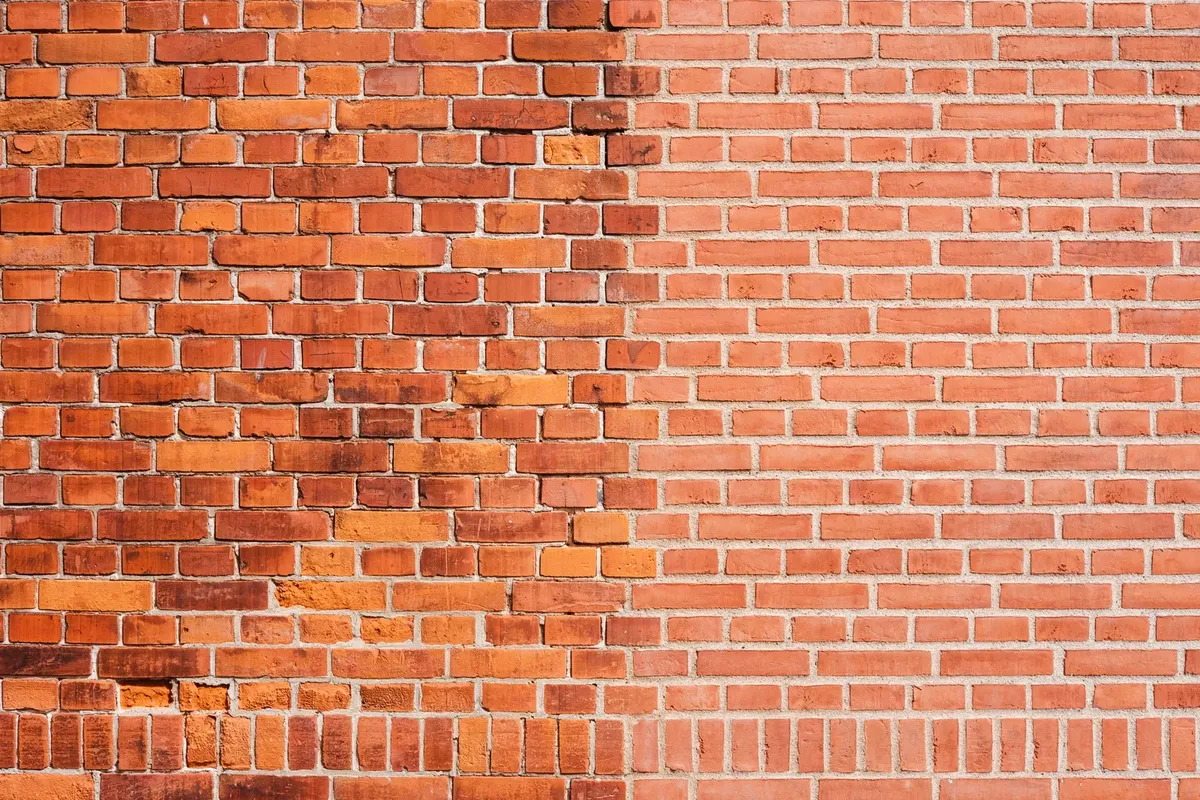
Masonry and natural stone
For masonry and stone impregnations, build a formulation around the actual brick or stone. Porosity, salts and architectural appearance make a representative sample panel useful when choosing a solvent-based water repellent.

Fiber-cement and mineral boards
Assess external treatment of cured fiber-cement or mineral boards, including exposed cut edges. Plan wetting, drying and stacking around the different absorption of the faces and edges and the intended subsequent finish.

Water-repellent concentrate manufacture
Use ANCORIS 5010-L as an oligomer ingredient when developing compatible water-repellent concentrates. Establish carrier compatibility and blend storage before testing the finished impregnation on its intended mineral substrate.
How to Use
Confirm solvent identity, active-content definition, octyl functionality, residual silicon groups and preparation instructions from the current TDS and SDS. The solvent-based description does not establish a particular solvent or a ready-use dilution. Select moisture-reaction and hydrolysis by-product precautions from the actual composition.
Clean representative, sound substrates and record porosity, age, moisture and any previous treatment. Check wetting and actual uptake during application, together with runoff and the interval between passes. For boards, record face and edge treatment separately in the trial plan and assess the dry surface before stacking or coating.
Compare treated and untreated specimens using defined methods for water absorption, treatment depth, color and vapor transmission. Include the salt, wet–dry, weathering or frost exposure relevant to the finished product. A surface impregnation does not bridge cracks or stop water entering through untreated faces; repair details and the complete water-management design remain part of the project.
Evaluate solvent compatibility, volatile content and the complete blend's storage behavior. Establish application rate and performance on your own substrate instead of using a fixed penetration target. If a waterborne form is required, develop and test an appropriate emulsion system.
Guidelines for use
- Application
- Apply to clean, dry, absorbent surfaces by low-pressure spray or roller as a saturating film, wet-on-wet.
- Coverage
- Typically 0.2 – 0.6 L/m² depending on porosity; confirm with a test area.
These levels are starting points. Determine the optimum level and method in trials under your own conditions.
Packaging and Storage
- Packaging: 25 kg plastic drum, 200 kg steel drum, 1,000 kg IBC. Other pack sizes on request.
- Storage: Store in tightly closed original containers in a cool, dry place, protected from moisture. Shelf life is 12 months from the date of manufacture in unopened containers.
- Handling and safety: Wear gloves and eye protection; avoid skin and eye contact. Keep away from heat and ignition sources; use with ventilation. Read the Safety Data Sheet before use.

Frequently Asked Questions
What is an octyl silane oligomer used for?
It is an ingredient for developing mineral water-repellent impregnations and concentrates. Select the formulation around the concrete, masonry, stone or board surface you treat.
How do I choose an application rate for concrete?
Measure absorption on representative concrete using your intended application method. Connect uptake and treatment depth with water absorption and conditioned performance.
Can I use the same formulation on brick and stone?
Screen each substrate because pore structure, salts and appearance differ. Compare treated panels for uptake, color and vapor transmission before setting the finished formulation.
What should I check before coating a treated board?
Check drying, surface residue and adhesion of the intended finish after conditioning. Include faces and cut edges in the evaluation.

Samples, TDS and Technical Support
LANDUSIL provides ANCORIS 5010-L samples, TDS, SDS and selection support. Please include:
- Mineral substrate, surface condition and existing treatments
- Intended carrier, application method and drying sequence
- Water uptake, appearance and exposure-test requirements
- Expected quantity, packaging preference and destination country