

UNARA · Specialty Silicone Monomers
LANDUSIL UNARA 8010-L 3-Methacryloxypropyltris(trimethylsiloxy)silane
LANDUSIL UNARA 8010-L is 3-methacryloxypropyltris(trimethylsiloxy)silane, CAS 17096-07-0, a silicone methacrylate monomer for controlled radical copolymerization. The named molecule has one methacrylate double bond connected through a propyl spacer to a silicon center bearing three trimethylsiloxy groups.
The methacrylate site provides the route into a compatible organic copolymer, while the siloxane branches introduce a bulky silicone-containing side structure. Resin manufacturers select the comonomers, initiator and reaction medium around the polymer architecture and film properties they want to develop.
- CAS number
- 17096-07-0
- Molecular formula
- C16H38O5Si4
- Molecular weight
- 422.81 g/mol

Product Identity
| Item | Information |
|---|---|
| Product | LANDUSIL UNARA 8010-L |
| Chemical name | 3-Methacryloxypropyltris(trimethylsiloxy)silane |
| CAS number | 17096-07-0 |
| Molecular formula | C16H38O5Si4 |
| Molecular weight | 422.81 g/mol |
| Abbreviation | TRIS |
| Product family | Specialty Silicone Monomers – UNARA Silicone Intermediates & Raw Materials |
Specifications
| Property | Value | Test method |
|---|---|---|
| Appearance | Colorless clear liquid | Visual |
| Purity (GC) | min. 98.0 % | Gas chromatography |
Typical Properties
| Property | Typical value |
|---|---|
| Boiling point, 0.2 mmHg | approx. 112 – 115 °C |
| Density, 25 °C | approx. 0.918 g/cm³ |
Typical values are provided for reference only and are not to be construed as specifications. Please refer to the current Technical Data Sheet (TDS) and Certificate of Analysis (CoA) for the supplied grade.
Key Features of 3-Methacryloxypropyltris(trimethylsiloxy)silane
- Methacrylate reaction site: offers a carbon–carbon double bond for suitable radical copolymerization.
- Silicone-containing branches: introduces a trimethylsiloxy-substituted side structure through the selected polymerization route.
- Single named double bond: provides a clear functionality basis for monomer and crosslinker selection.
- Resin-manufacturing role: enters the synthesis stage before the produced polymer is formulated into a coating or adhesive.
- Composition-sensitive processing: inhibitor, reactive impurities and monomer compatibility guide conversion and molecular-distribution control.
Applications

Silicone-modified acrylic polymer synthesis
Use this monomer in development of silicone-modified acrylic and vinyl polymers. A controlled reactor process combines it with suitable comonomers and an initiator to produce the intended silicone-containing organic polymer.

Binder synthesis for facade coatings
For manufacturers serving architectural and facade coatings, the role is upstream acrylic-binder development. The characterized resin subsequently enters paint formulation and testing with the actual pigments, fillers and mineral substrate.

Resin development for radiation-curable coatings
Within UV and radiation-curable coatings, use the monomer at a defined resin or reactive-material preparation stage. The complete coating then receives the initiating system, multifunctional components and cure process required by its design.

Resin preparation for UV acrylate adhesives
For UV-curable acrylate assembly adhesives, first develop and characterize the intended resin or functional material. The adhesive formulator then establishes the light-curing package and validates the actual joint geometry and substrate pair.
How to Use
Confirm the supplied identity, assay, inhibitor type and level, and reactive-impurity profile. Define the comonomers, solvent or continuous phase, initiator and feed schedule for the chosen radical process. Follow conversion, residual monomer, molecular-weight distribution, viscosity and phase compatibility through reaction, dilution and storage.
The trimethylsiloxy branches are siloxane groups, not methoxy or ethoxy groups for conventional trialkoxysilane mineral coupling. The named molecule has one methacrylate site; a multifunctional crosslinker or any additional hydrolyzable function must be selected independently. Check for multifunctional impurities through the actual grade analysis when gel formation or network structure matters.
For film development, compare resins at matched solids and application conditions, checking appearance, adhesion, water response and aging. For a radical light-cure process, match the initiator to the light source and assess thickness, oxygen inhibition, conversion and extractables. Adhesive testing should include the light path, shadow areas, shrinkage and aged shear or peel. Review intended-use and process-release requirements using current grade documentation before commercial process selection.
Guidelines for use
- Polymerization design
- Set the monomer charge through a validated comonomer recipe. Define the initiator, continuous phase, temperature and feed schedule, and monitor heat release and conversion. No universal addition percentage is specified for these different resin and cure routes.
- Resin and cure verification
- Measure residual monomer, molecular-weight distribution, viscosity and storage stability before formulation. In a light-curing system, verify conversion, oxygen inhibition and extractables under the selected lamp and film conditions. Check any separate crosslinker or adhesion component independently.
These levels are starting points. Where no numerical level is specified, determine the charge or concentration in process trials. Validate the method, product composition and operating conditions for your intended use.
Packaging and Storage
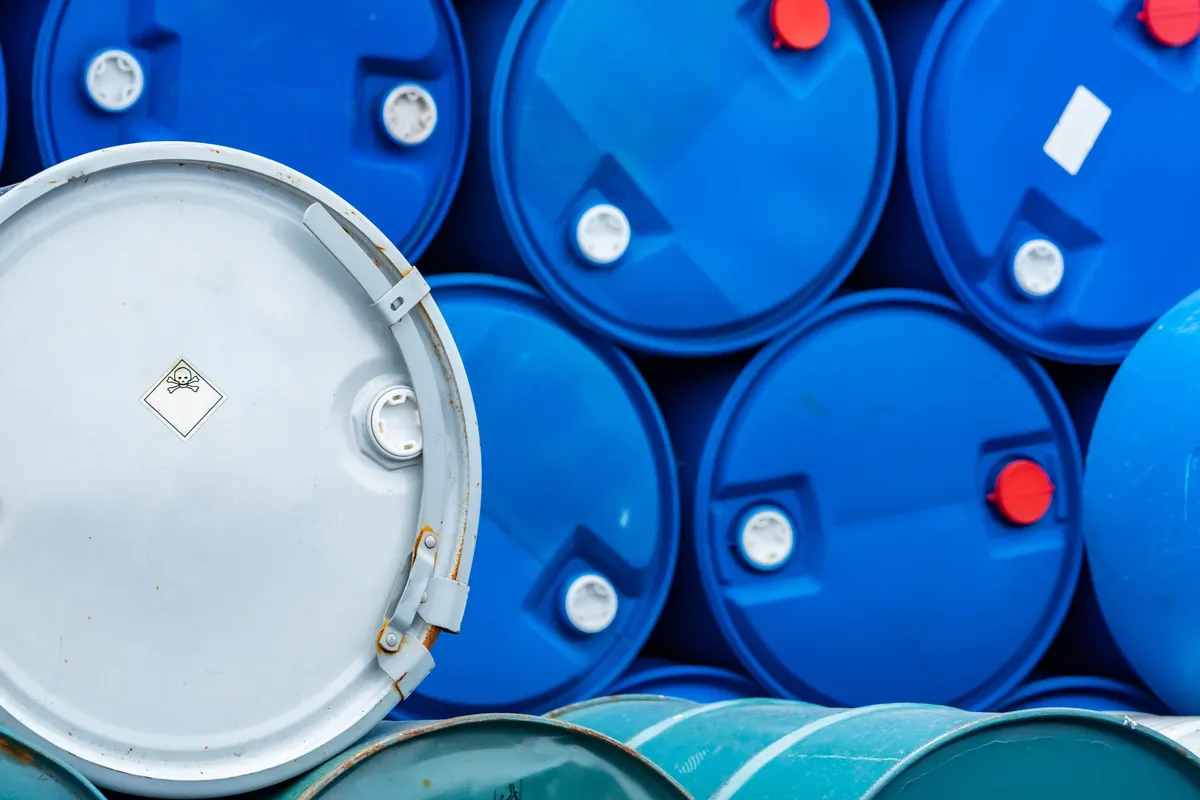
- Packaging: 25 kg plastic drum, 200 kg steel drum, 1,000 kg IBC. Other pack sizes on request.
- Storage: Store in original, tightly closed containers in a cool, dry, well-ventilated place protected from heat and light. Keep separate from initiators, oxidants and other materials that can trigger polymerization. Maintain the specified inhibitor and atmosphere conditions for the supplied grade. Shelf life is 12 months in unopened containers under the specified storage conditions.
- Handling and safety: Avoid skin and eye contact and breathing vapor or mist. The material can irritate skin, eyes and the respiratory tract; use suitable gloves, eye protection and ventilation. Prevent uncontrolled polymerization. Protect from heat, strong light, initiator contamination and incompatible reactive materials. Maintain the stabilization conditions specified for the supplied material; do not remove inhibitor before storage or assume another grade uses the same stabilizer. Use is subject to regional regulations; check the current regulatory status before use. Read the Safety Data Sheet before use.
Frequently Asked Questions
What is the reactive group in this silicone methacrylate?
The named molecule has one methacrylate double bond. In a suitable radical process, it can incorporate into a copolymer while retaining the silicone-containing side structure.
How does it differ from methacryloxypropyltrimethoxysilane?
This monomer has trimethylsiloxy branches. The trimethoxy silane has methoxy groups that introduce a different hydrolysis and condensation pathway in addition to its methacrylate site.
Which data should a resin producer request before polymerization?
Request identity, assay, inhibitor information and the reactive-impurity profile. Set the conversion, residual-monomer, molecular-distribution and compatibility tests for your actual copolymer process.

Samples, TDS and Technical Support
LANDUSIL provides samples, current TDS and SDS, and monomer-selection support. Please include:
- Target copolymer, comonomers and receiving coating or adhesive
- Initiator, reaction medium and polymerization route
- Inhibitor, reactive-impurity and residual-monomer requirements
- Estimated quantity, packaging preference and destination country