

Coatings & Inks
Silicone Materials for Transportation Coatings
Silicone materials for transportation coatings give you distinct tools for binder modification, substrate adhesion and surface feel. On a metal fitting, repaired vehicle panel or interior insert, selecting the material around the component helps connect appearance with the mechanical and environmental demands of its use.
LANDUSIL supplies epoxy-polysiloxane resin, silicone fluid, reactive PDMS and functional silanes for component-specific formulation trials. These raw-material routes support development by transportation coating producers, refinish formulators and suppliers of coated vehicle parts.
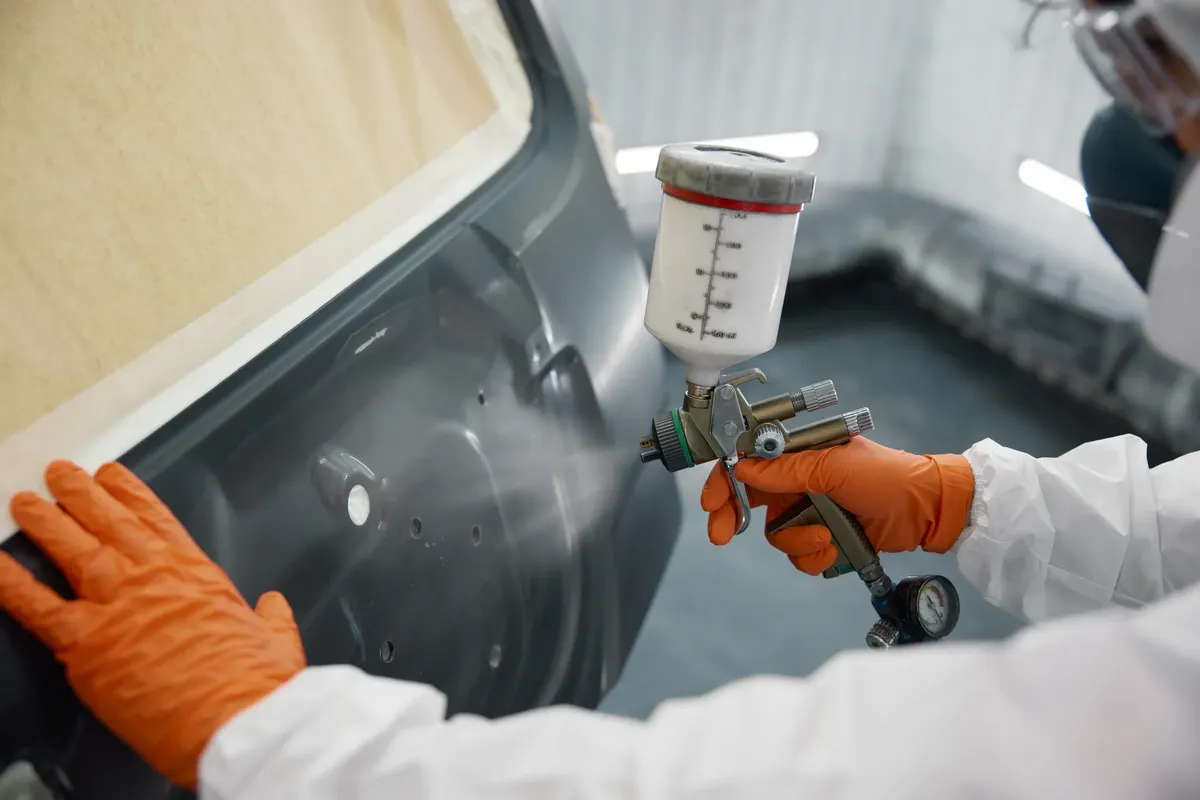
What Silicone Materials for Transportation Coatings Do
- Provide a protective binder starting point for selected metal-component formulations.
- Introduce flexible reactive segments through functional PDMS matched to the coating's cure.
- Support inorganic-interface development with an appropriate organofunctional silane.
- Tune surface contact through fluid trials focused on friction and tactile character.
- Connect chemistry to repairability by including later recoating and bonding in formulation design.
Typical Uses
Component or coating task: Automotive and commercial-vehicle metal fittings
What matters most
Pretreatment, primer, topcoat appearance and outdoor exposure
Component or coating task: Vehicle refinish and repair
What matters most
Existing paint, sanding, solvent sensitivity and appearance matching
Component or coating task: Rail or commercial-transport exterior components
What matters most
Mechanical movement, impact, weathering and maintenance access
Component or coating task: Interior decorative surfaces
What matters most
Gloss, feel, rubbing, cleaning and customer requirements
Component or coating task: Coated plastic inserts
What matters most
Exact polymer, molded surface, pretreatment and cure tolerance
Recommended LANDUSIL Products
| Product | Chemistry | CAS | Why choose it |
|---|---|---|---|
| LANDUSIL NOVERA 4010-L | Solvent-free epoxy polysiloxane resin | Mixture – see SDS | Industrial main-binder chemistry for component-specific transportation trials |
| LANDUSIL DUVERA 1010-L | Polydimethylsiloxane / dimethyl silicone fluid | 63148-62-9 | Fluid route for evaluating surface feel and friction |
| LANDUSIL DUVERA 5010-L | Epoxy-terminated polydimethylsiloxane | Mixture – see SDS | Reactive flexible segment for compatible coating binder modification |
| LANDUSIL LEGRA 2010-L | 3-Glycidoxypropyltriethoxysilane | 2602-34-8 | Glycidoxy interface route for suitable surfaces and resin partners |
| LANDUSIL LEGRA 4011-L | 3-Methacryloxypropyltrimethoxysilane | 2530-85-0 | Polymerizable interface component for a deliberately matched radical-cure route |
How to Select a Component-Coating Route
Start with the film and binder
NOVERA 4010-L brings an industrial epoxy-polysiloxane main-binder route into the transportation development program. Establish reactive composition, curing partner and film build around the target component. Compare the complete layer stack using its actual primer and surface preparation.
For reactive modification, DUVERA 5010-L adds an epoxy-terminated PDMS segment to a compatible network design. Include its actual epoxy contribution in the cure balance and follow the mixture through application and film development. This helps you investigate flexibility alongside the other required properties.
Match the interface chemistry
LEGRA 2010-L combines a glycidyl epoxide with three ethoxy groups. Choose an organic reaction partner that can use the epoxide and a surface-treatment route suited to the accessible inorganic interface. Hydrolysis releases ethanol.
LEGRA 4011-L carries methacrylate functionality and three methoxy groups. Use it where a designed radical reaction can incorporate the methacrylate, with methanol release managed during hydrolysis. A hydroxyl-acrylic polyurethane has its own reaction chemistry; identify the intended cure before choosing this route.
Define slip and feel
DUVERA 1010-L provides a PDMS fluid route for surface-contact trials. Specify whether the goal is a friction change, tactile character or another observed surface effect. Pair the choice with the resin and carrier, then follow its distribution through drying.
A useful target includes the next operation. For trim that will be bonded or refinished, evaluate those steps alongside surface appearance and repeated contact. For plastic-specific hardcoats and radiation curing, use the dedicated application topics below.
Application and Evaluation Guidelines
Identify the component, metal or polymer, existing coating and manufacturing or repair context. In waterborne development, record dispersion compatibility, drying and chemical cure. In solvent-borne work, include the carrier's interaction with the plastic or retained finish.
Measure the component's thermal history alongside oven settings. For UV processing, record cure mechanism, light source and access to edges or shadowed features. Build refinish panels with transitions between old paint, primer and exposed repair areas, using the intended cleaning and sanding sequence.
Assess color, gloss and texture after the agreed conditioning interval on representative sprayed panels. Add adhesion, rubbing, cleaning and the bending or impact tests relevant to the part. Observe cracks, delamination and their location after moisture, weathering or chemical exposure. Test later recoating and bonding using the actual process and waiting interval.
All product routes on this page require transportation-specific evaluation. A raw-material identity does not establish OEM approval, interior emissions performance or a whole-vehicle coating package. Hardness and slip alone do not establish scratch resistance; a bend result needs the other component-relevant tests beside it. Use current TDS/SDS information and the customer's acceptance methods to define the material trial and its limits.
Frequently Asked Questions
Which silicone material should I test for a transportation metal finish?
Begin with the needed role. Epoxy-polysiloxane resin supports binder development, functional PDMS supports reactive modification, and silanes address a compatible interface. Define the component and coating stack before selecting the trial material.
How do I choose between epoxy and methacrylate silanes for vehicle coatings?
Choose by the actual reaction pathway. Glycidoxy silane needs a compatible epoxide reaction partner; methacrylate silane needs a matched radical-cure design when incorporation through its double bond is intended.
What should I check when adding PDMS fluid to an interior finish?
Compare the intended feel or friction together with gloss, craters, rubbing and cleaning response. Include any later bonding or refinishing, plus the finished-part customer requirements for the interior application.
How should I evaluate a silicone-modified refinish coating?
Use the actual retained paint and repair preparation, then compare appearance, intercoat adhesion and cure. Include the next recoat interval and representative environmental conditioning before deciding on the formulation.

Samples and Technical Support
LANDUSIL provides samples, TDS, SDS and raw-material selection support; please include:
- Vehicle component, substrate and production or repair context
- Existing layers, pretreatment and proposed binder/cure system
- Appearance, surface-contact and mechanical targets
- Application method, thermal or UV process and customer tests
- Trial volume, packaging preference and destination country