
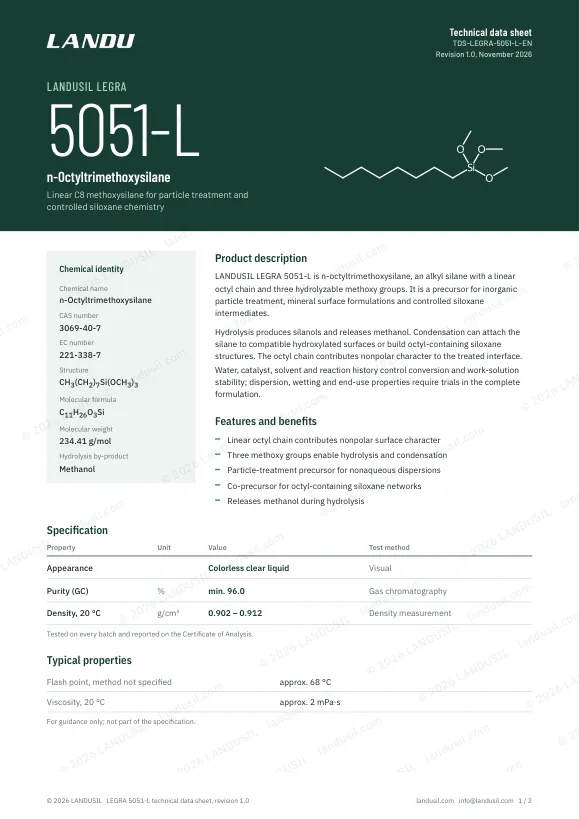
Technical Data Sheet
LANDUSIL LEGRA 5051-L
Specification limits, typical properties, guidelines for use, handling, storage and packaging in one document.
FamilyGrades

LEGRA · Alkyl Silanes
LANDUSIL LEGRA 5051-L is n-octyltrimethoxysilane, CAS 3069-40-7, a linear C8 silane for developing hydrophobic particle surfaces and compatible nonaqueous dispersions. The n-octyl group supplies a nonpolar surface contribution, while three methoxy groups provide the reactive silicon end.
This chemistry is useful for suitable inorganic pigments, mineral fillers and existing silica supports. Controlled hydrolysis releases methanol and generates silanols; condensation then develops the surface treatment or a siloxane network in the selected process.

| Item | Information |
|---|---|
| Product | LANDUSIL LEGRA 5051-L |
| Chemical name | n-Octyltrimethoxysilane |
| CAS number | 3069-40-7 |
| Molecular formula | C11H26O3Si |
| Molecular weight | 234.41 g/mol |
| EC number | 221-338-7 |
| Structure | CH3(CH2)7Si(OCH3)3 |
| Hydrolysis by-product | Methanol |
| Product family | Alkyl Silanes |
| Property | Value | Test method |
|---|---|---|
| Appearance | Colorless clear liquid | Visual |
| Purity (GC) | min. 96.0 % | Gas chromatography |
| Density, 20 °C | 0.902 – 0.912 g/cm³ | Density measurement |
| Property | Typical value |
|---|---|
| Flash point, method not specified | approx. 68 °C |
| Viscosity, 20 °C | approx. 2 mPa·s |
| Refractive index | n20/D 1.416 |
Typical values are provided for reference only and are not to be construed as specifications. Please refer to the current Technical Data Sheet (TDS) and Certificate of Analysis (CoA) for the supplied grade.
Technical Data Sheet
Specification limits, typical properties, guidelines for use, handling, storage and packaging in one document.

LEGRA 5051-L can provide a C8 organic post-treatment on a suitable titanium dioxide or other confirmed oxide surface. In titanium dioxide and white pigment treatment, develop reaction and drying around the actual pigment coating before dispersion in the receiving resin.
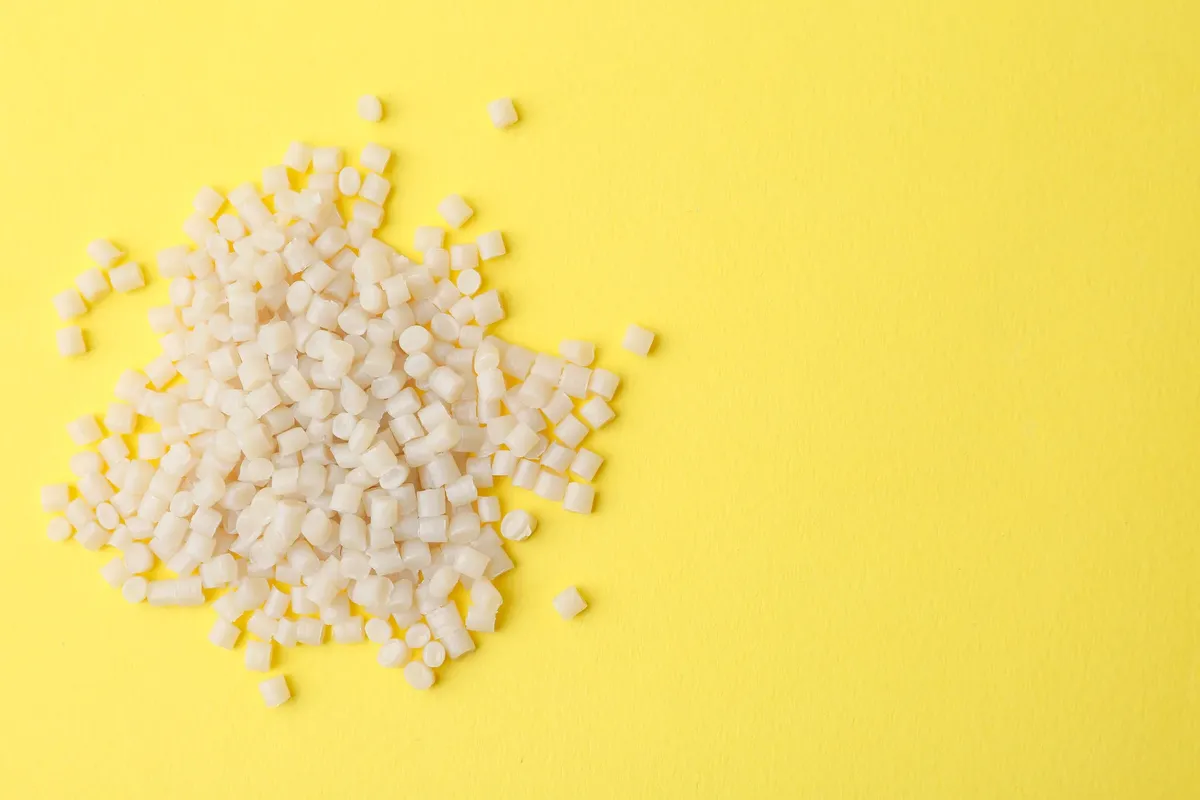
Use treated minerals to study wetting, dispersion and flow in compatible thermoplastic formulations. Mineral-filled commodity thermoplastics connects the surface treatment with compounding, volatile removal and final mechanical requirements.

The trimethoxysilyl end offers a route to C8 modification of an existing silica surface. For functional silica separation surfaces, develop surface coverage while retaining the accessible pores needed for the intended liquid and support system.
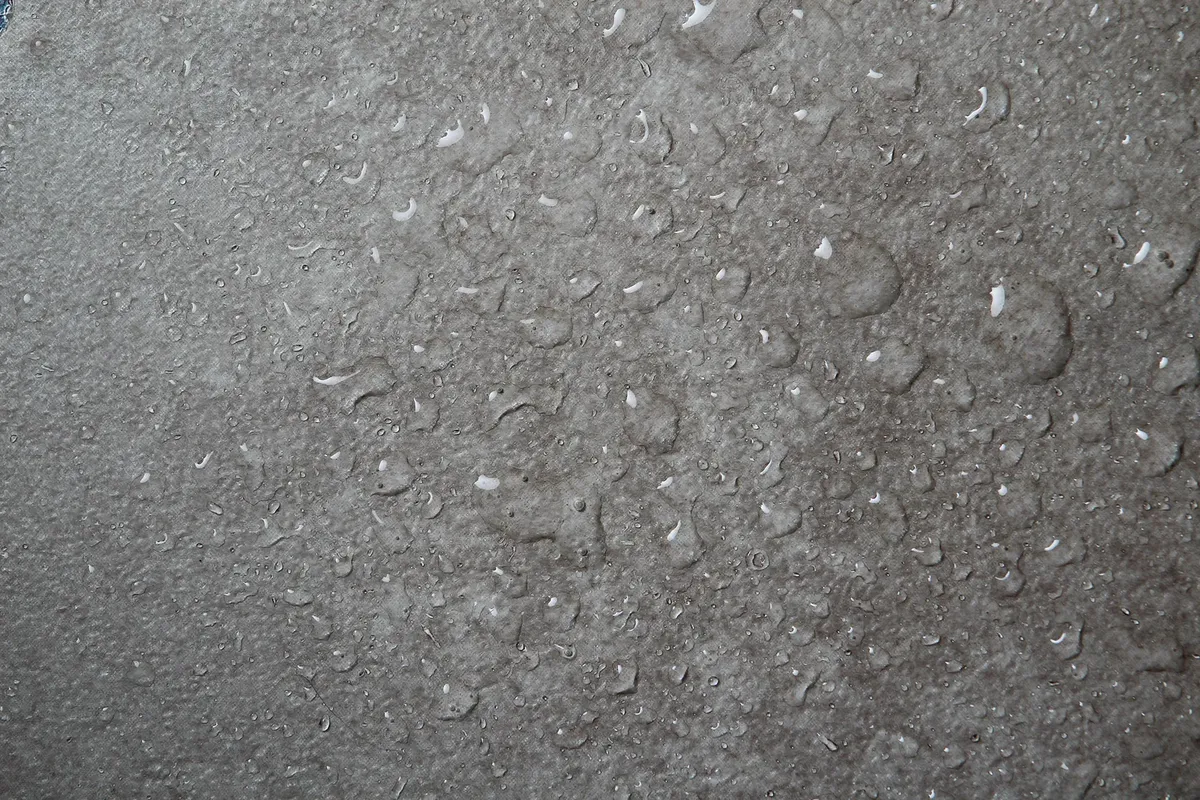
LEGRA 5051-L supplies a methoxy-based octyl ingredient for suitably designed mineral treatments. In concrete protection, establish the carrier, reaction conditions and application around the actual cured concrete.
Begin particle-treatment work with the actual powder grade, surface coating and moisture history. Choose a compatible carrier and distribute the silane before controlled hydrolysis and condensation. Track residual methanol, moisture and free silane, then assess the dried powder in the intended dispersion or compound. Compare wetting, particle aggregation and formulation viscosity with untreated material.
When changing from an ethoxy silane, compare the molecular treatment loading and actual conversion. Different molecular weights affect the number of silane molecules delivered by a given mass. Set water, catalyst, reaction time and drying from process trials, with methanol management suited to the methoxy route.
For porous silica, measure coverage, pore accessibility, extractables and leaching before testing the intended separation behavior. The octyl group supplies a nonpolar surface; an amino or thiol binding task calls for the corresponding functionality. Thermal fillers need direct contact-resistance and stability tests because an organic treatment layer changes the interface as well as wetting.
For concrete, compare treatment uptake, water absorption, vapor transmission and appearance on representative conditioned specimens. For cable or other filled-polymer uses, include the relevant cure, mechanical, electrical and fire tests. This saturated alkyl silane serves the filler interface; a PE grafting process requires its own reactive monomer. Establish working-solution stability and the final product's durability in the full formulation.
These levels are starting points. Determine the optimum level and method in trials under your own production conditions.

It is used in developing treated inorganic particles, nonaqueous dispersions and hydrophobic mineral formulations. It also provides a C8 surface-modification route for suitable existing silica supports.
Check the powder's coating and moisture, retained treatment, residual methanol and free silane. Then assess dispersion, aggregation and viscosity in the actual liquid medium.
Compare the treatment on a molecular basis and re-establish the reaction conditions. The methoxy and ethoxy molecules have different molecular weights and release different alcohols during hydrolysis.

LANDUSIL supplies samples, current TDS and SDS, and surface-treatment selection support. Please include: