
Technical Data Sheet
LANDUSIL LEGRA 8020-L
Specification limits, typical properties, guidelines for use, handling, storage and packaging in one document.
FamilyGrades

LEGRA · Mercapto & Sulfur-Containing Silanes
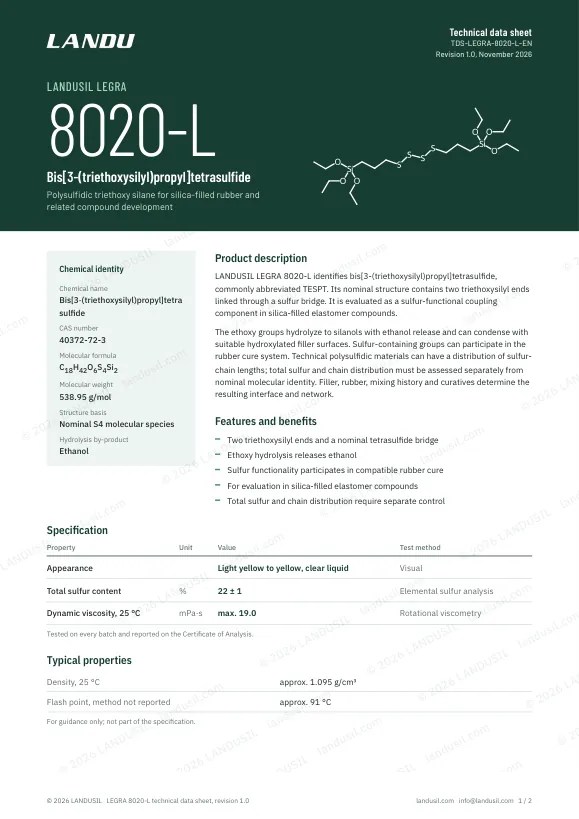
LANDUSIL LEGRA 8020-L is bis[3-(triethoxysilyl)propyl]tetrasulfide, commonly called TESPT, CAS 40372-72-3. It combines two triethoxysilyl ends with a sulfur bridge, bringing silica-surface chemistry and cure-related sulfur functionality into the same coupling material.
In a compatible sulfur-cured rubber compound, this structure helps develop the silica–rubber interface. You select the silane together with the elastomer, silica, total sulfur package and mixing sequence so that surface treatment and final cure work together.

| Item | Information |
|---|---|
| Product | LANDUSIL LEGRA 8020-L |
| Chemical name | Bis[3-(triethoxysilyl)propyl]tetrasulfide |
| Common abbreviation | TESPT |
| CAS number | 40372-72-3 |
| Nominal molecular formula | C18H42O6S4Si2 |
| Nominal molecular weight | 538.95 g/mol |
| Functional structure | Two triethoxysilyl ends joined by a sulfur bridge |
| Molecular formula | C18H42O6S4Si2 |
| Molecular weight | 538.95 g/mol |
| Structure basis | Nominal S4 molecular species |
| Hydrolysis by-product | Ethanol |
| Product family | Mercapto & Sulfur-Containing Silanes |
| Property | Value | Test method |
|---|---|---|
| Appearance | Light yellow to yellow, clear liquid | Visual |
| Total sulfur content | 22 ± 1 % | Elemental sulfur analysis |
| Dynamic viscosity, 25 °C | max. 19.0 mPa·s | Rotational viscometry |
| Property | Typical value |
|---|---|
| Density, 25 °C | approx. 1.095 g/cm³ |
| Flash point, method not reported | approx. 91 °C |
| Refractive index | n20/D 1.49 |
| Boiling point | approx. 250 °C |
Typical values are provided for reference only and are not to be construed as specifications. Please refer to the current Technical Data Sheet (TDS) and Certificate of Analysis (CoA) for the supplied grade.
Technical Data Sheet
Specification limits, typical properties, guidelines for use, handling, storage and packaging in one document.

TESPT is a coupling option for silica-reinforced tire compounds. Coordinate silica moisture, mixing history and sulfur balance with the selected rubber blend to develop dispersion and the intended cured interface.

For mechanical rubber compounds, use the silane as part of a defined silica and cure package. Set the development target around the part's mechanical, fatigue, media-exposure or ageing requirements.
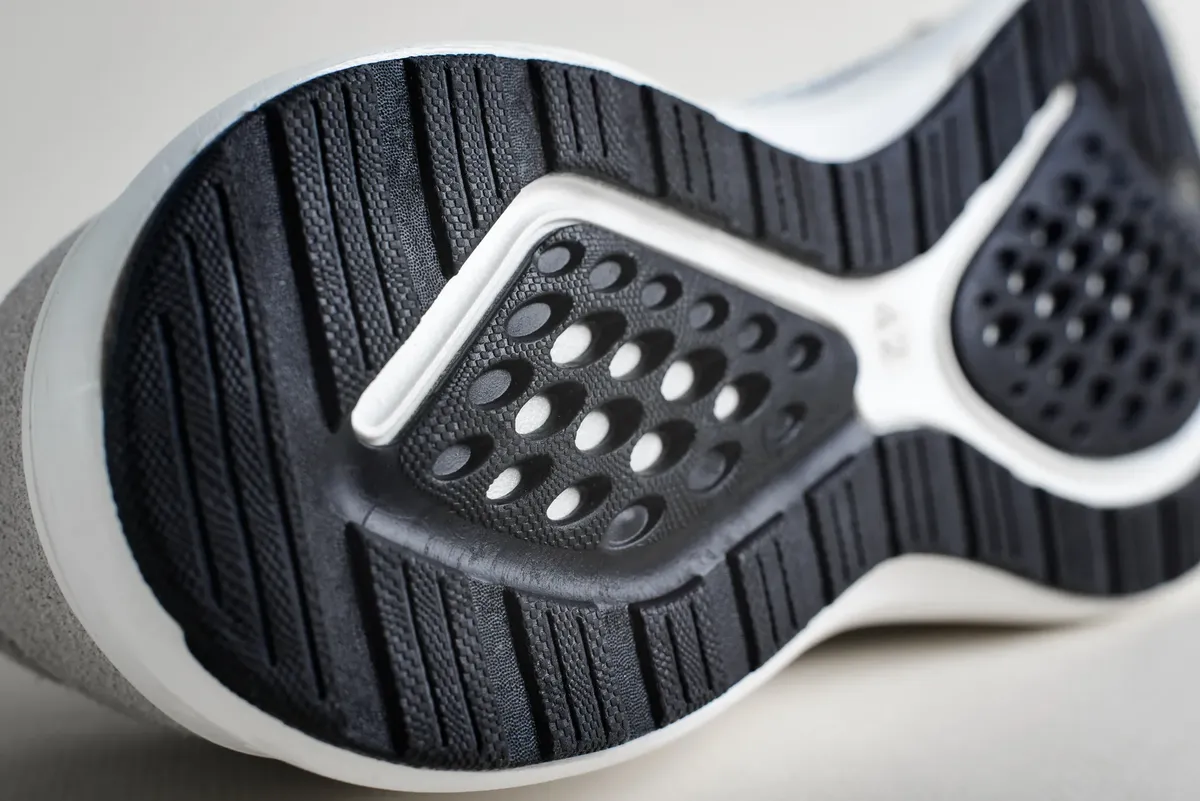
In silica-reinforced rubber soles and colored compounds, the coupling route works alongside pigment choice and rubber-cure design. Evaluate mixing behavior, appearance and the abrasion, flexing or wet-grip properties required by the intended outsole.
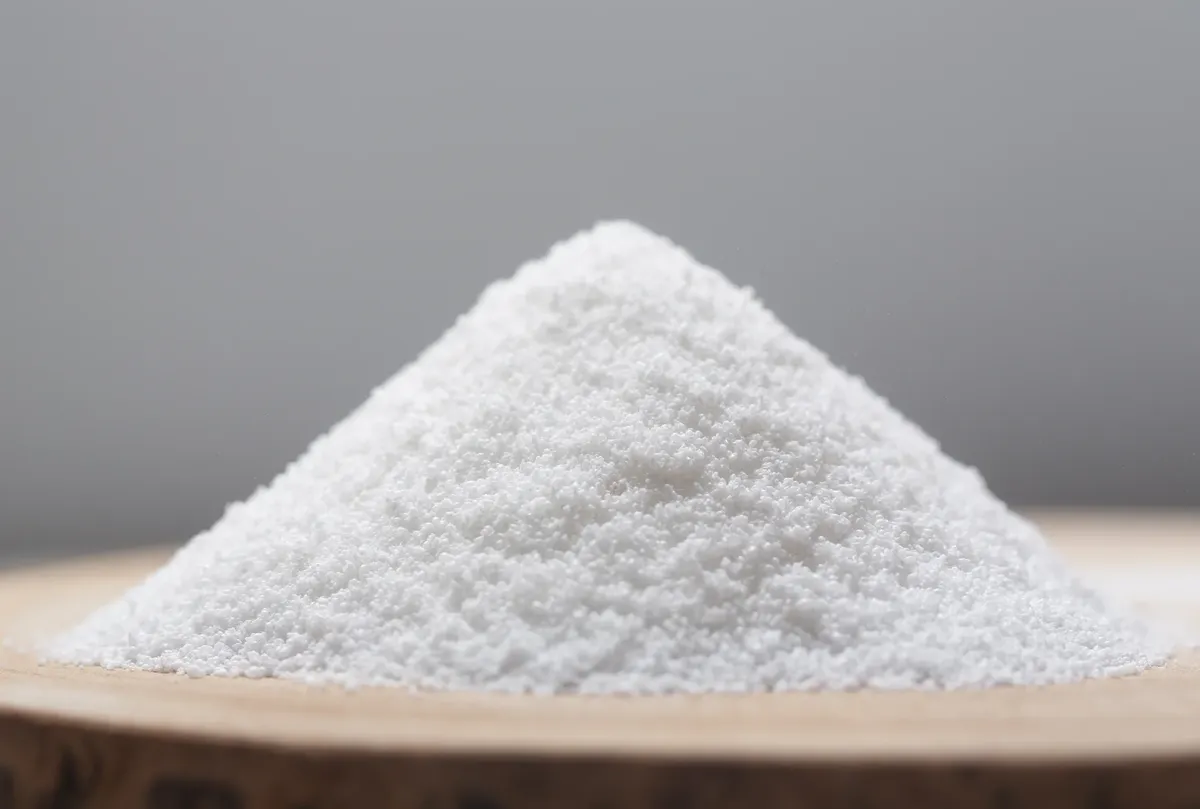
Applying silane before final compounding offers another route to the filler interface. In pretreated silica for sulfur-cured rubber, control attachment, residual silane, ethanol removal and powder storage before testing the filler in the receiving compound.
Confirm the supplied composition, sulfur content, sulfur-chain distribution and any carrier information in current grade documents. The nominal molecular formula is not a batch-composition measurement. Use the confirmed sulfur contribution when designing the complete curative package and setting comparative trial levels.
Establish mixing order and silanization conditions for the actual silica and elastomer blend. Record temperature history, mixing time, torque and ethanol removal. Compare dispersion, scorch safety, cure curve and relevant mechanical and dynamic properties under matched conditions.
Disulfide silanes, free-thiol silanes, carrier concentrates and pretreated silica require different loading and process choices. In particular, follow the stage where added sulfur enters the compound and verify the resulting cure response. A carbon-black carrier supplies a delivery form; evaluate the silica reaction and the finished rubber as their own process stages. Confirm current safe-handling data in the grade SDS.
These levels are starting points. Determine the optimum level and method in trials under your own production conditions.

TESPT is used to develop coupling between silica and compatible sulfur-cured rubber. The formulation and mixing process determine the resulting dispersion, cure and compound properties.
TESPT has a nominal tetrasulfide bridge; TESPD has a nominal disulfide bridge. Compare them using the actual sulfur distribution, total curative balance and mixing sequence.
Yes. A pretreatment route can be developed with controlled attachment, residual removal and powder storage, followed by trials in the intended rubber compound.
Provide the rubber blend, silica type, mixing equipment, sulfur and accelerator package, and the main processing and service targets. Composition and carrier data help set an appropriate trial comparison.

LANDUSIL provides samples, current TDS and SDS, and selection support. Please include: