

LEGRA · Mercapto & Sulfur-Containing Silanes
LANDUSIL LEGRA 8010-L 3-Mercaptopropyltriethoxysilane
LANDUSIL LEGRA 8010-L is 3-mercaptopropyltriethoxysilane, CAS 14814-09-6, also known as MPTES. It combines a free thiol group with three hydrolyzable ethoxy groups, providing a route between suitable inorganic surfaces and sulfur- or thiol-reactive organic systems.
Rubber compounders can explore this structure at the silica–polymer interface, while surface specialists can use the thiol functionality for a subsequent reaction or attachment step. Ethoxy hydrolysis releases ethanol, making alcohol removal part of process design.
- CAS number
- 14814-09-6
- Molecular formula
- C9H22O3SSi
- Molecular weight
- 238.42 g/mol

Product Identity
| Item | Information |
|---|---|
| Product | LANDUSIL LEGRA 8010-L |
| Chemical name | 3-Mercaptopropyltriethoxysilane |
| Common abbreviation | MPTES |
| CAS number | 14814-09-6 |
| Molecular formula | C9H22O3SSi |
| Molecular weight | 238.42 g/mol |
| Functional groups | Free thiol and triethoxysilyl |
| Hydrolysis by-product | Ethanol |
| Product family | Mercapto & Sulfur-Containing Silanes |
Specifications
| Property | Value | Test method |
|---|---|---|
| Appearance | Colorless to light yellow, clear liquid | Visual |
| Purity (GC) | min. 96.0 % | Gas chromatography |
| Refractive index, nD25 | 1.4330 ± 0.0050 | Refractometry |
Typical Properties
| Property | Typical value |
|---|---|
| Density, 20 °C | approx. 0.987 g/cm³ |
| Flash point, closed cup | approx. 88 °C |
Typical values are provided for reference only and are not to be construed as specifications. Please refer to the current Technical Data Sheet (TDS) and Certificate of Analysis (CoA) for the supplied grade.
Key Features
- Available thiol group: supports selected sulfur and thiol reactions with matching partners.
- Hydrolyzable ethoxy groups: provide silicon-side attachment and condensation chemistry.
- Rubber-interface development: brings free-mercapto functionality to silica-filled compound trials.
- Functional surface preparation: creates a route to thiol-bearing layers on appropriately prepared inorganic substrates.
- Ethoxy processing option: enables comparison with trimethoxy mercaptosilanes while preserving the free-thiol concept.
Applications

Silica-reinforced tire compounds
LEGRA 8010-L offers a free-mercapto coupling route for silica-reinforced tire compounds. Design the silanization and mixing sequence around the selected elastomers, silica and sulfur-cure package, with ethanol release included in ventilation planning.
Mechanical rubber goods
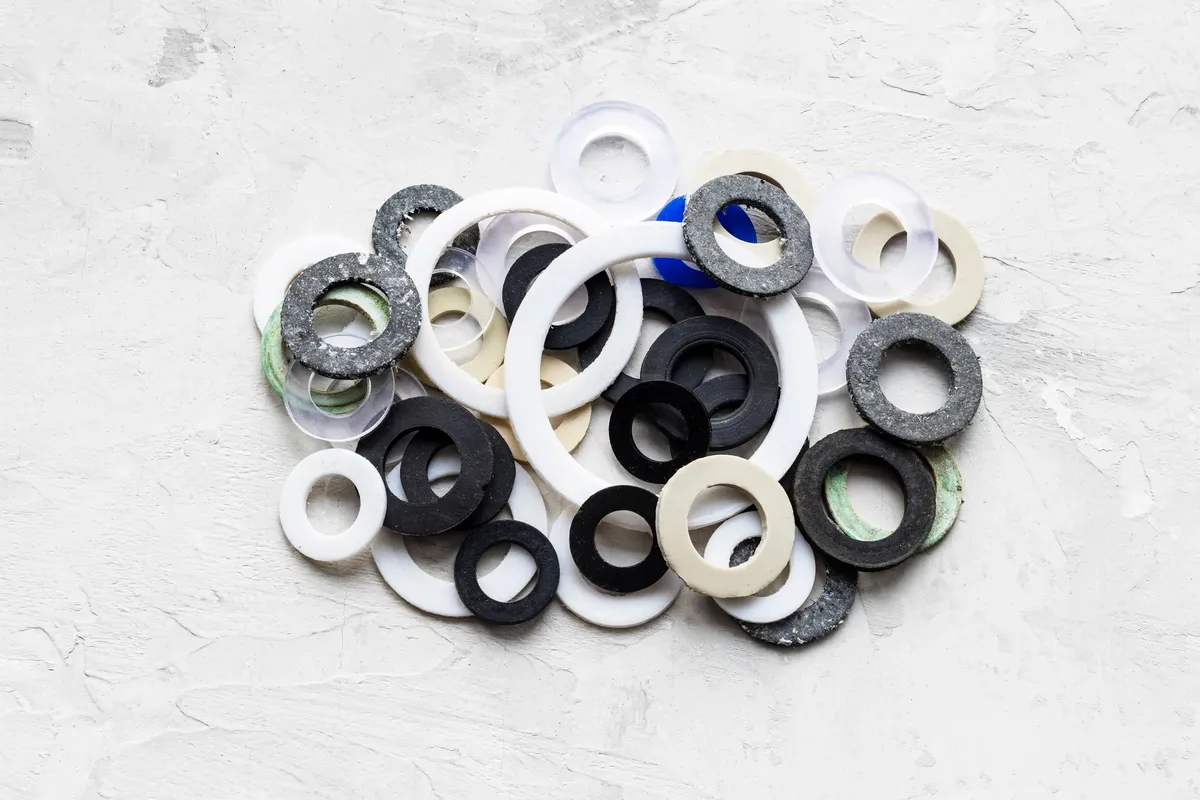
For sulfur-cured mechanical rubber goods, coordinate filler treatment and free-thiol reactivity with the rubber formulation and molding process. The relevant target may be filler–rubber interaction, processing behavior or retention of properties after conditioning.

Thiol–ene coating development
The thiol group can participate in a suitably initiated reaction with compatible unsaturated partners. In UV and radiation-curable coating development, choose the reactive double bond, initiator and exposure conditions alongside the required silane interface chemistry.
Sensor and microdevice surfaces
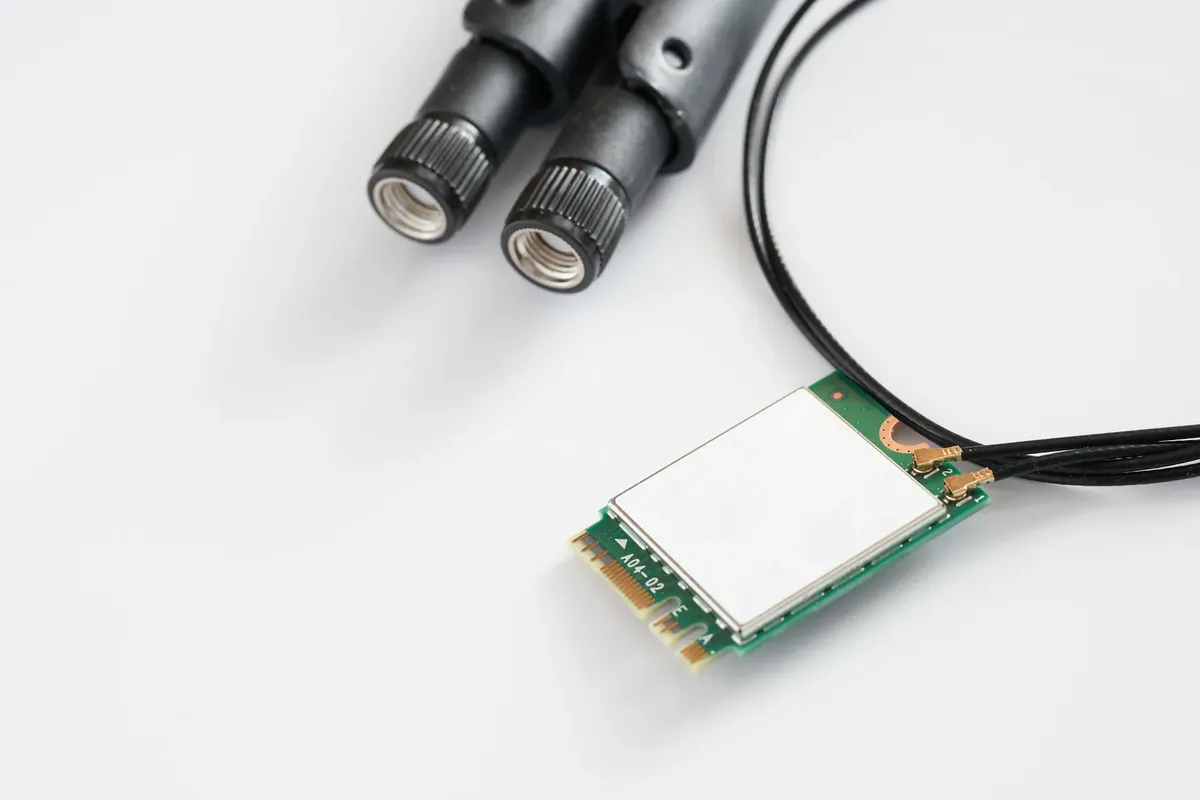
A treated oxide surface can present thiol functionality for a later immobilization step. For sensor and microdevice surface silanization, coordinate substrate cleaning, layer formation and retention of accessible thiol groups with the intended surface reaction.
How to Use 3-Mercaptopropyltriethoxysilane
Choose the process around the two functional regions. For rubber, define the silica condition, mixing sequence, ethanol removal and point where the reactive sulfur system enters. Record mixing torque and temperature history, scorch behavior, cure curve, dispersion and the mechanical or dynamic properties relevant to the part.
Free-thiol, disulfide, tetrasulfide and blocked-mercapto silanes require their own loading and cure design; they are not equal-dose substitutes. Establish a useful processing window through compound trials before increasing the addition level.
For coatings and surface work, control hydrolysis, deposited coverage, residual free material and thiol oxidation. Measure accessible thiol, working-solution stability, odor and the intended reaction or bonding result after conditioning. Match the organic partner and initiation conditions to the chosen thiol chemistry. Check sulfur-related inhibition when considering platinum-cured silicone systems.
Guidelines for use
- Rubber compounding
- Select the level through controlled compound trials. Follow mixing temperature, torque and scorch time before optimizing cure and dynamic properties. Establish a separate recipe for each sulfur-silane type.
- Surface pretreatment
- Apply a validated treatment to the selected mineral or substrate, controlling water, hydrolysis, coverage and drying. Compare treated and untreated material at matched resin and filler levels.
- Reactive formulations
- Confirm compatible reaction partners and catalyst or initiator conditions. Evaluate residual thiol, odor, storage stability and wet-aged adhesion in the complete formulation.
These levels are starting points. Determine the optimum level and method in trials under your own production conditions.
Packaging and Storage
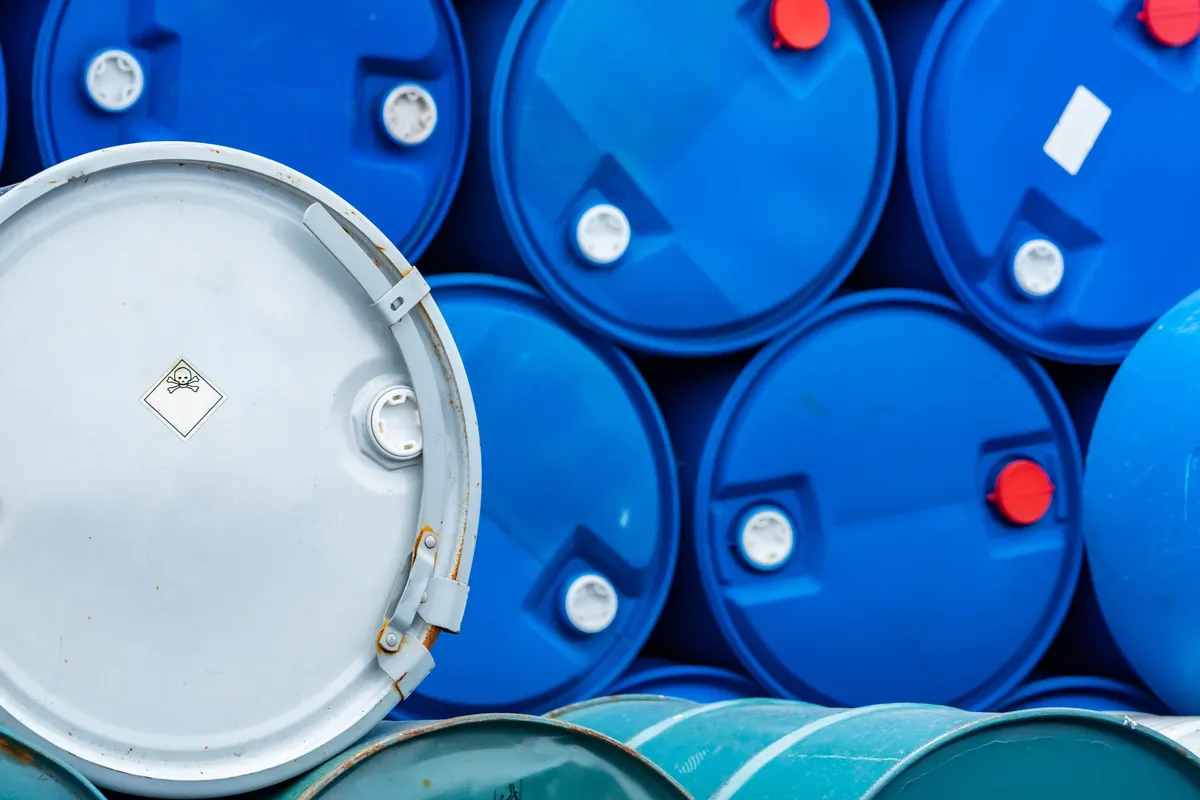
- Packaging: 25 kg plastic drum, 200 kg steel drum, 1,000 kg IBC. Other pack sizes on request.
- Storage: Store in the original, tightly closed containers in a cool, dry and well-ventilated place, protected from moisture, heat and sunlight. Shelf life is 12 months in unopened containers under recommended conditions. Reseal promptly after sampling or transfer.
- Handling and safety: Hydrolysis releases ethanol. Keep containers tightly closed and use ventilation during treatment and drying. Can irritate skin and eyes. Wear suitable chemical-resistant gloves, protective clothing and eye protection. Prevent release to drains or the environment. Control spills and dispose of residues through an appropriate waste route. Keep away from heat and ignition sources. Read the Safety Data Sheet before use.
Frequently Asked Questions
What is 3-mercaptopropyltriethoxysilane used for?
It supports silica-filled rubber coupling, selected thiol–ene reactions and preparation of thiol-functional surfaces. Match each use to its polymer, reaction partner and processing conditions.
What is the difference between MPTES and MPTMS?
MPTES has ethoxy groups and releases ethanol on hydrolysis. MPTMS has methoxy groups and releases methanol. Both structures carry a free mercaptopropyl group.
Which rubber tests help select a free-mercapto silane?
Check dispersion, mixing behavior, scorch, cure and the final compound's mechanical and dynamic properties. Include storage and the intended molding or extrusion process in the comparison.
How can I retain thiol functionality during surface treatment?
Control hydrolysis and layer formation, remove residual free material and monitor thiol oxidation. Measure the accessible thiol groups needed for the next immobilization or reaction step.

Samples, TDS and Technical Support
LANDUSIL provides samples, current TDS and SDS, and selection support. Please include:
- Rubber, silica or surface substrate and receiving resin or reaction partner
- Mixing, cure or surface-treatment process and target properties
- Estimated volume and packaging preference
- Destination country