

LEGRA · Mercapto & Sulfur-Containing Silanes
LANDUSIL LEGRA 8041-L 3-Mercaptopropylmethyldimethoxysilane
LANDUSIL LEGRA 8041-L is 3-mercaptopropylmethyldimethoxysilane, CAS 31001-77-1, a dialkoxy mercapto silane for coupling and functional-surface development. One free thiol group provides organic reaction or metal-affinity functionality, while two methoxy groups provide sites for surface attachment and siloxane condensation.
The silicon-bound methyl distinguishes this grade from trimethoxy mercaptosilanes. Rubber compounders, sealant formulators and silica-treatment specialists can use that structural choice to design the silicon-side connection alongside the required thiol chemistry.
- CAS number
- 31001-77-1
- Molecular formula
- C6H16O2SSi
- Molecular weight
- 180.34 g/mol

Product Identity
| Item | Information |
|---|---|
| Product | LANDUSIL LEGRA 8041-L |
| Chemical name | 3-Mercaptopropylmethyldimethoxysilane |
| CAS number | 31001-77-1 |
| Molecular formula | C6H16O2SSi |
| Molecular weight | 180.34 g/mol |
| Structure | HS(CH2)3Si(CH3)(OCH3)2 |
| Functional structure | One free thiol, one silicon-bound methyl and two methoxy groups |
| Hydrolysis by-product | Methanol |
| Product family | Mercapto & Sulfur-Containing Silanes |
Specifications
| Property | Value | Test method |
|---|---|---|
| Appearance | Colorless to light yellow, clear liquid | Visual |
| Purity (GC) | min. 95.0 % | Gas chromatography |
| Color | max. 20 Pt-Co | Platinum-cobalt colorimetry |
| Refractive index, 25 °C | 1.4450 – 1.4550 | Refractometry |
Typical Properties
| Property | Typical value |
|---|---|
| Boiling point, 30 mmHg | approx. 96 °C |
| Flash point, method not reported | approx. 72 °C |
Typical values are provided for reference only and are not to be construed as specifications. Please refer to the current Technical Data Sheet (TDS) and Certificate of Analysis (CoA) for the supplied grade.
Key Features
- Free-thiol functionality: offers a reaction site for selected sulfur and thiol chemistry.
- Two methoxy groups: support controlled hydrolysis, surface deposition and condensation.
- Methyl-substituted silicon: provides a dialkoxy structural option for comparison with trialkoxy mercaptosilanes.
- Rubber-interface design: supports silica coupling development within a defined elastomer and cure package.
- Accessible surface thiol: provides a route to functionalizing an existing silica carrier for a subsequent attachment step.
Applications

Silica-reinforced tire compounds
LEGRA 8041-L offers a free-thiol option for silica-reinforced tire compounds. Coordinate surface reaction, methanol removal and the later sulfur-cure stage with the actual rubber blend and silica condition.
Industrial rubber goods
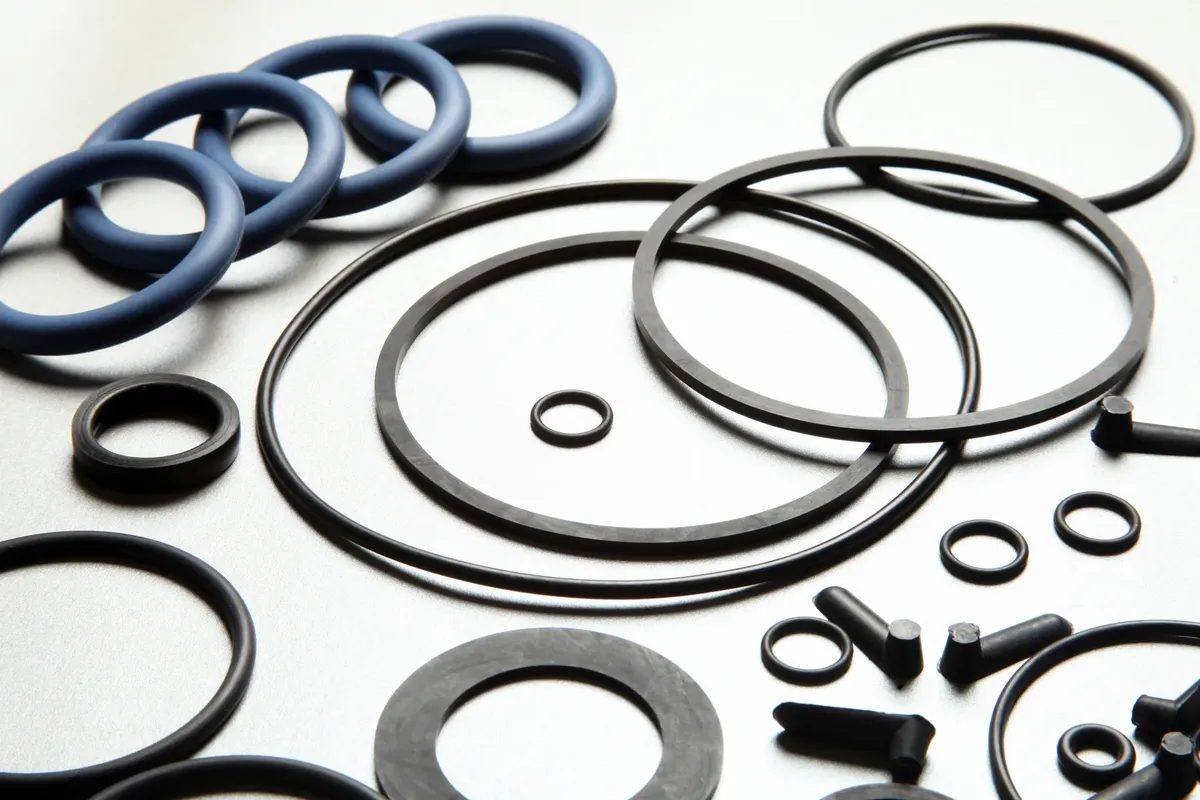
For sulfur-cured mechanical rubber goods, investigate the silane in a defined filler and curative system. Link the mixing trial to the intended hose, molded seal, vibration part or other product's mechanical and exposure requirements.

Peroxide-cured EPDM
A specified EPDM, precipitated silica and peroxide system provides a practical development route for EPDM and peroxide-cured elastomers. Select the elastomer composition, peroxide and mixing sequence as a coordinated formulation, then compare the cure and final material.

Polysulfide sealant interfaces
The free-thiol silane is an interface ingredient for evaluation in polysulfide sealants. Choose a thin primer or compatible formulation-addition route around the polymer's terminal thiol groups, oxidation-cure package, filler and substrate.

Functional porous silica
Treating an existing porous silica can introduce thiol groups for subsequent ligand attachment. In functional silica adsorbent and separation surfaces, coordinate carrier treatment and washing with pore accessibility and the next chemical step.
How to Use 3-Mercaptopropylmethyldimethoxysilane
Define the process and reaction partner before setting a trial level. For rubber, compare direct mixing with pretreated filler using matched silica loading and processing. Record temperature history, torque, methanol removal, scorch, cure and dispersion, then measure the properties relevant to the finished part. Build independent comparisons for sulfur and peroxide packages.
For sealants, account for the added thiol in oxidant demand, working time and storage trials. For porous silica, distinguish total sulfur from accessible free thiol using suitable analysis; examine oxidation, extractables, pore access, leaching and the actual target separation or attachment function.
Selected thiol–ene, thiol–Michael and thiol–epoxy routes need their own partners and initiation or catalytic conditions. Chain transfer in an acrylic process can change molecular distribution and working time. One thiol per molecule is not a multi-thiol curing resin, while the complete formulation can still form a network through other ingredients and reactions. Check actual cure compatibility before introducing free-thiol materials into platinum-catalyzed silicone systems.
Guidelines for use
- Rubber processing
- Qualify silane addition and filler pretreatment separately. Track mixing temperature, torque, methanol removal, scorch and cure in the complete sulfur or peroxide system.
- Reactive resin route
- Define the reaction partner, equivalents and catalyst or initiation conditions. Establish the level experimentally and measure conversion, residual thiol, odor, working time and storage stability.
- Surface treatment
- Control substrate cleaning, bath moisture, deposition and drying. Account for residual monomer and compare conditioned adhesion or surface function against untreated controls.
These levels are starting points. Determine the optimum level and method in trials under your own production conditions.
Packaging and Storage
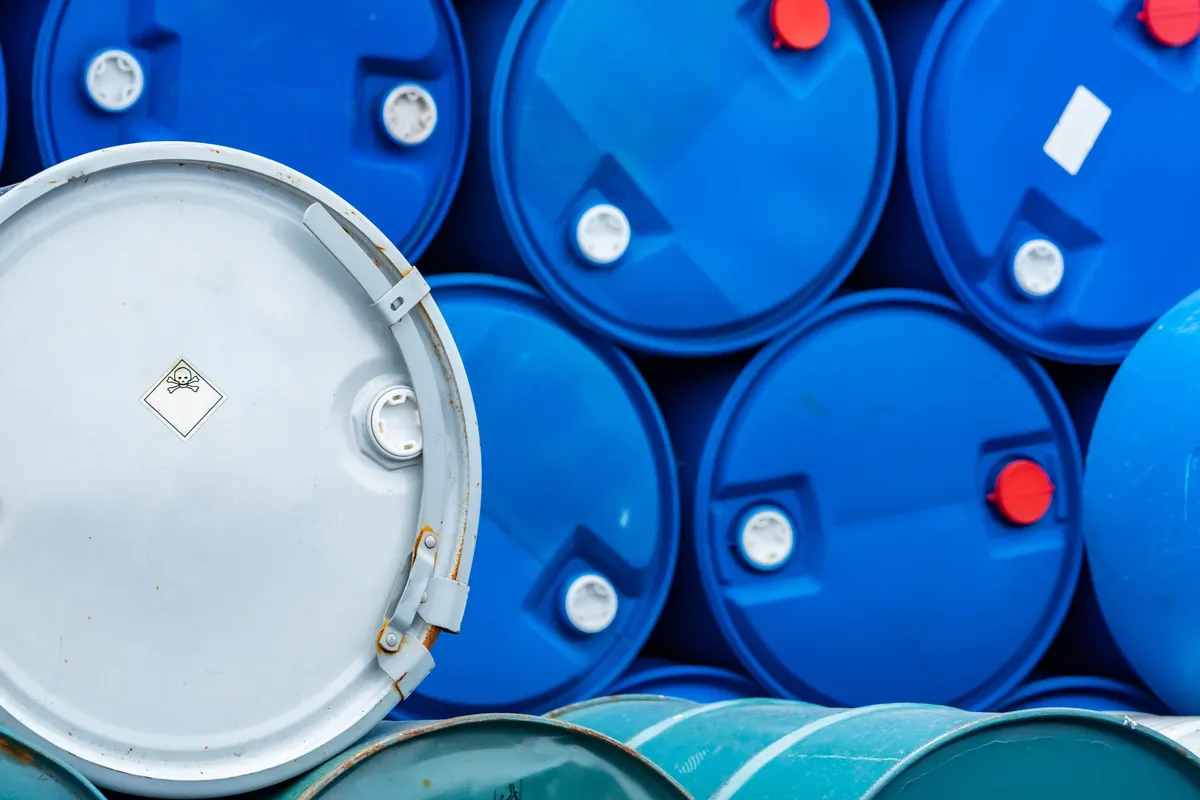
- Packaging: 25 kg plastic drum, 200 kg steel drum, 1,000 kg IBC. Other pack sizes on request.
- Storage: Store in tightly closed original containers in a cool, dry and well-ventilated place, protected from moisture, heat and direct sunlight. Shelf life is 12 months in unopened containers under recommended conditions. Reseal promptly after sampling and transfer.
- Handling and safety: Hydrolysis releases toxic methanol. Provide ventilation during treatment and drying, and keep equipment and containers dry. Can irritate skin and eyes. Wear suitable chemical-resistant gloves, protective clothing and eye protection and avoid mist inhalation. Keep away from heat, ignition sources and incompatible reactive materials. Collect spills and prevent release to drains. Read the Safety Data Sheet before use.
Frequently Asked Questions
What is 3-mercaptopropylmethyldimethoxysilane used for?
It supports silica-filled rubber coupling, compatible sealant-interface development and thiol functionalization of prepared surfaces. Each route uses the thiol and methoxy functions according to its own process.
How does it differ from mercaptopropyltrimethoxysilane?
It carries two methoxy groups and one silicon-bound methyl. Mercaptopropyltrimethoxysilane carries three methoxy groups. Both have one free thiol group, but their silicon-side functionality differs.
Can this chemistry be studied in peroxide-cured EPDM?
Yes. Use a defined EPDM, silica and peroxide formulation and assess processing, cure and finished properties. Match the comparison to the actual elastomer and intended part.
Which tests show that treated silica retains useful thiol groups?
Measure accessible free thiol alongside sulfur loading, extractable material and oxidation. Check pore accessibility and the performance of the subsequent ligand attachment or target separation process.

Samples, TDS and Technical Support
LANDUSIL provides samples, current TDS and SDS, and selection support. Please include:
- Elastomer, sealant or silica carrier and receiving reaction system
- Treatment or addition route, cure package and target properties
- Estimated volume and packaging preference
- Destination country